Netherlands
37/100
#14 of 196 worldwide
#5 of 45 in Europe
Formally illegal but tolerated: coffeeshops sell up to 5 g per person and five plants are usually only confiscated. A regulated supply-chain experiment now covers ten municipalities.
In short all countries →
- Can I carry it?LimitedIllegal, but up to 5 g is not prosecuted; police may still seize it
- Can I grow it?LimitedA few plants are treated far more leniently than dealing
- Can I buy it?LimitedIn tolerated coffeeshops, up to 5 g; some towns sell to residents only, and many have no coffeeshop
- Can I use it in public?LimitedIn some places, with many restrictions
- What if I'm caught?NothingIf you stay within the limits
A rough guide read from the scores and the rules below, not legal advice. The details and the exceptions are in each segment: select an answer to jump to it.
Cannabis in the Netherlands not part of the score · all 30 datasets ↓
Who uses it
About 1 in 11
people aged 15–64 in the Netherlands used cannabis in the past year: 1 million people.
- Past year
- 8.9%
- Europe median
- 5.8%
- Aged 15–16, 2014
- 7.9%
UNODC · survey 2024
Source Past-year cannabis use among people aged 15–64. People who used cannabis in the past year, from a 2024 survey, applied to today's population aged 15–64.Survey ages and years vary, and some surveys include children. Rates are not age-standardised; do not compare countries directly.
UNODC World Drug Report 2026, annex table 1.2. Population from the World Bank, aged 15–64. The whole dataset →
Use across Europe
8thhighest of 44 surveyed countries
- 🇨🇿 Czechia9.4%
- 🇫🇮 Finland9.0%
- 🇳🇱 Netherlands8.9%
- 🇭🇷 Croatia8.8%
- 🇩🇪 Germany8.8%
Past-year use, latest survey of each. Survey years and ages differ. On the map →
What they think of it
“Is using marijuana morally acceptable?”
32% say it is morally unacceptable
- Acceptable 45%
- Not a moral issue 20%
- Depends or no answer 2%
- Unacceptable 32%
The 5th least disapproving of the 25 countries surveyed, where the median is 52%. On the map →
Source Pew Research Center, surveyed January to May 2025, 1,000 adults (topline, question 17g).Cannabis in figures
- Offences for cannabis use or possession13per 100,000 people · 2008
- Police contact for drug use or possession22per 100,000 people · 2021
- Cannabis seized14,747kg in 2024 · 2024
- THC in cannabis sold (Europe)5.59%THC in herb · 2024
- Street price of cannabis (Europe)€4.43a gram of herb · 2024
The dot: where it stands among the countries each dataset covers, lowest to highest. All datasets ↓
Score breakdown 37/100 · how the scores are made
Cannabis is formally illegal under the Opium Act. Under the toleration policy the Public Prosecution Service does not prosecute possession of up to 5 g of marijuana or hash, though police may still confiscate it.[1] Larger amounts can be prosecuted: up to 30 g is a minor offence with at most a month's detention or a €5,500 fine, and more than 30 g is a crime with up to two years in prison or a €110,000 fine.[2][3]
| Amount | What happens | Punishment | Fine |
| Up to 5 gNot prosecuted; police may seize it | Tolerated | — | — |
| Over 5 g, up to 30 g | CriminalMinor offence (overtreding) | Up to 1 month | Up to €5,500 |
| Over 30 g | CriminalCrime (misdrijf) | Up to 2 years | Up to €110,000 |
Not legal. Up to five plants for personal use are normally not prosecuted, but police will seize them. More than five plants is prosecuted, growers face back-charges for electricity, and tenants risk eviction.[1] Growing is a crime with up to two years in prison, or six years when done as a business.[2][3]
| Amount | What happens | Punishment | Fine |
| Up to 5 plantsNot prosecuted; police seize the plants | Tolerated | — | — |
| Over 5 plants | CriminalCrime (misdrijf) | Up to 2 years | Up to €110,000 |
| Growing as a business | CriminalCrime (misdrijf) | Up to 6 years | Up to €110,000 |
Users are effectively left alone, with confiscation the worst outcome for small amounts.[1] Commercial growing and dealing outside coffeeshops are prosecuted and carry prison.[1][4] The toleration policy dates to 1976.
Coffeeshops sell openly to adults 18+, up to 5 g per person per transaction, under strict criteria: no advertising, no hard drugs, no nuisance, no minors.[1] A residents-only rule exists in law and is enforced by some municipalities, mainly in the south.[1] Many towns have no coffeeshop.[5] The 5-gram limit dates to 1996.
Context not part of the score · every country, by topic →
Most adults who buy cannabis legally do so in a coffeeshop. At the end of 2024 there were 563, in 103 municipalities; most towns have none.[5] About two-thirds are places where customers may also smoke; a quarter only sell to take away, a share that grew after smoking rooms were banned in July 2022.[5] Shops sell weed and hashish, and many sell space cake and other edibles.[1][4] In early 2025 a gram of the most popular Dutch-grown weed cost about €11 and held about 16% THC on average; imported hashish cost about €10.[6] Many people also buy outside the shops, mostly from delivery services and dealers they reach by phone, because it is cheaper and they can buy more at once.[7]
Doctors have been able to prescribe medicinal cannabis since 2003.[8] Pharmacies dispense it as dried flower from the government's Office of Medicinal Cannabis, which holds a legal monopoly on buying and selling it.[8][9] Health insurers usually do not pay for it.[8] The office's contract with its only Dutch grower ended on 1 January 2026. It is supplying pharmacies from stock for now, will switch to imported cannabis in the course of 2027, and will stop exporting to patients abroad at the end of 2026.[9] The government plans a law ending the monopoly, so that companies can supply pharmacies directly, in mid-2028.[9]
The toleration policy covers coffeeshops only; growing remains illegal, so a members' growing club has no footing.[10] A handful were founded from 2014.[11] The prosecution service told Amsterdam's Tree of Life in 2015 that its growing and sharing among members was punishable, though it chose not to prosecute actively.[11] Utrecht backed two clubs and asked for an Opium Act exemption, which the health ministry refused in 2014 because the clubs served no scientific or medical purpose; by 2016 nothing had been planted there.[12] The largest, the Frisian foundation Suver Nuver, posted home-made cannabis oil to thousands of members; in November 2021 the Overijssel court found it and its director guilty under the Opium Act and the Medicines Act but imposed no penalty, saying the choice was for lawmakers.[13] No later national picture of clubs was found.[10]
The Opium Act's list of drugs covers every part of the hemp plant except the seeds, so seeds are sold openly.[14] Cuttings are plants and fall under the growing ban, with the same practice of not prosecuting up to five plants.[14] Supplying goods one knows are meant for professional cultivation is a separate offence under article 11a.[14]
Farmers may grow hemp from certified seed of approved EU varieties with no more than 0.3% THC; inspectors sample the field shortly before harvest, and harvesting needs written permission.[15] Seeds are outside the Opium Act, so they are sold openly.[14] CBD itself is not a listed drug, but a law firm's guide reads the Act's definitions of hemp and hemp oil as covering CBD extracted from the plant.[16] HHC, a semi-synthetic cannabinoid sold in the gaps of the law, was put on List I, the hard-drugs list, by a decree published in January 2026.[17]
For decades coffeeshops could sell cannabis but nobody could legally grow it for them: the 'back door' problem.[1] An experiment changes this in ten municipalities: Almere, Arnhem, Breda, Groningen, Heerlen, Maastricht, Nijmegen, Tilburg, Voorne aan Zee and Zaanstad. Up to ten licensed growers supply them, tracked from plant to sale; since 7 April 2025 the shops there are intended to sell only regulated supply.[7][4] The growers report heavy start-up costs, and hashish was short at first.[7] Medicinal cannabis was grown by one company under contract to the state until 2026.[9] Everywhere else, growing for sale is a crime.[1]
Coffeeshop sales are tolerated but, outside the supply experiment, the cannabis they sell is grown illegally.[1] Police dismantled 895 growing sites in 2024, the first year below a thousand in a long time; in 2017 it was more than 4,600.[18] The National Police put the fall down mainly to lack of capacity and lower priority rather than less growing, and note that drug networks increasingly bring plants in from abroad, for instance from Spain.[18]
On paper coffeeshops are for residents only: since 1 January 2013 the national rules say only people aged 18 or over who are registered in a Dutch municipality may enter and buy, and owners are meant to check an identity document or residence permit.[1] Whether the rule is enforced differs from one municipality to the next, which is why visitors can still buy in some cities and not in others.[5]
The Netherlands has had fixed limits since a 2016 decree: 3 nanograms of THC per millilitre of blood, falling to 1 when cannabis is combined with alcohol, alongside the older offence of impaired driving.[19] Police may stop and test at random; blood is taken at a hospital or police station.[19] The maximum penalties are a fine of 6,700 euros, three months in prison and a ban of up to five years, rising steeply where there is injury or death.[19]
The EU drugs agency's statistical bulletin records 5,315 cannabis-related drug law offences in the Netherlands in 2024, against 5,210 in 2023.[20] The number has halved from 11,658 in 2016; no separate count for use is reported.[20] Countries count these differently (offences or offenders, criminal or administrative), so the figure is not comparable across borders.[20]
Tolerated possession leaves no criminal record.[1] Drivers are subject to a per-se THC blood limit,[19] and home growers can lose their tenancy even when not prosecuted.[1]
For many people abroad the Netherlands means the coffeeshop, a café that sells cannabis over the counter.[21] It grew out of an idea of the early 1970s: a commission chaired by the criminal lawyer Louk Hulsman argued that pushing cannabis users into the same criminal world as heroin users exposed them to harder drugs, and recommended taking cannabis use out of criminal law.[22] Amsterdam became a meeting place for growers and breeders: the Hash, Marihuana & Hemp Museum opened in 1985, and the Cannabis Cup, a contest where judges smoke and score the year's cannabis, began there in 1988.[23][24] Near the harbour, the artists' village of Ruigoord has kept a festival culture with its own cannabis rules since the 1970s.[25] The everyday word is wiet, borrowed from English weed.[26] Every coffeeshop menu sorts its wares into indica and sativa, old botanists' Latin that the Amsterdam seed trade turned into sales language, with the Cannabis Cup awarding Best Indica and Best Sativa since 1988.[27] The Dutch idea travelled too: Dutch-born Antwerp activist Joep Oomen read Belgium's one-plant rule and founded Trekt Uw Plant, Belgium's first cannabis social club, in 2006.[28] Tolerance is not the same as approval: in a 2025 Pew survey 45% of Dutch adults called using marijuana morally acceptable, 32% unacceptable and 20% not a moral question at all.[29] The Cannabis Cup began in Amsterdam in 1988.
Dutch researchers publish over a hundred papers on cannabis a year, 140 in 2025, and 21 clinical trials with a cannabis or cannabinoid treatment had been registered in the country by October 2026.[30][31] Maastricht University has studied cannabis and driving on real roads since the 1990s.[32] Its 2020 trial, published in JAMA, had 26 users drive about 100 km at a time in a test car after inhaling THC, CBD or a placebo: THC made drivers weave in their lane about as much as a blood alcohol level above 0.05%, for up to about four hours, while CBD alone had little or no effect.[32] Since the late 1990s the Trimbos Institute has tested the strength of cannabis bought anonymously in coffeeshops every year.[6] Researchers get their cannabis through the Office of Medicinal Cannabis, which is also the only legal supplier to pharmacies.[9] The first supply-trial follow-up, released in September 2026, found more product choice and mostly positive early experiences, but no clear differences from comparison municipalities in use, health, safety or public order. Further measurements are needed to identify effects.[33]
Taking cannabis into or out of Netherlands is a separate offence from possessing it, normally charged as smuggling or trafficking, with far heavier penalties. That holds almost everywhere, including between two places where cannabis is legal.
The rules that allow or tolerate small amounts inside Netherlands do not cover the border, an airport or the post.
A prescription from another country is not recognised by itself. Within the Schengen area a patient can carry prescribed medicine for up to 30 days with a certificate issued by their home health authority; whether cannabis qualifies depends on both countries.[34]
General guidance that applies to almost every country, not a check of Netherlands's customs rules.
The back door
A coffeeshop may sell cannabis and keep up to 500 grams in stock, but for decades nobody could legally grow it or deliver it to the shop.[1][7] Owners had to buy from criminal growers, which is why the shop front is tolerated while the 'back door' stays a crime. The government's answer is an experiment: in ten towns, licensed growers deliver tested cannabis tracked from plant to sale, and the shops may hold a week's stock instead of 500 grams.[7] The first evaluation, in 2026, found more choice and cheaper weed, and no clear change in how much people use.[7]
A different rule in every town
Toleration is national, but the details are local. Only 103 municipalities have a coffeeshop, and 102 of them cap how many there may be.[5] 81 write the residents-only rule into their policy; how strictly it is enforced varies, mostly in the south and along the borders.[5][1] Some border towns are watching for fewer German customers since Germany legalised possession and home growing in April 2024.[5] Prices differ too: in 2025 a gram of the most popular weed cost about €13 in Amsterdam and under €11 elsewhere.[6]
The end of the smoking room
Since July 2022 coffeeshops may no longer have a separate smoking room.[5] Officials in municipalities say the shops have become more like take-away counters, and that the coffeeshop's social role, a safe and supervised place to use cannabis, is under pressure.[5] Some fear people now smoke in the street instead.[5] At the end of 2024 a quarter of all coffeeshops sold only to take away.[5]
Culture the atlas →
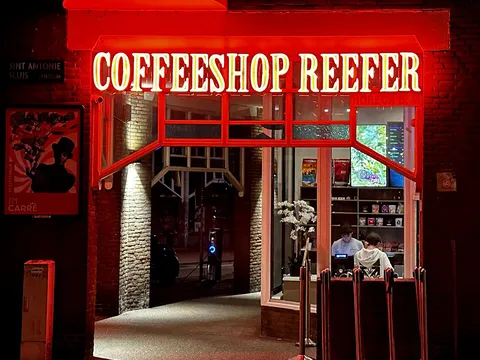 TraditionsThe coffeeshopIn the Netherlands, selling cannabis over a counter is illegal but not punished. Half a century of rules has grown up around that sentence.
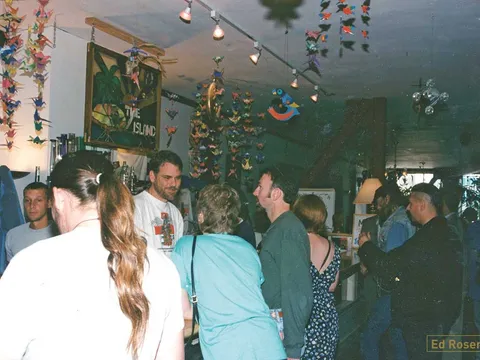 LanguageDispensaryAn old word for a place that hands out medicine, which in the United States became the name of the cannabis shop. The medical word was chosen because, for twenty years, medicine was the only legal ground cannabis could be sold on.
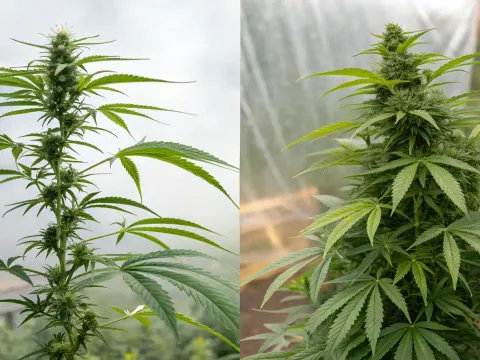 LanguageIndica and sativaTwo Latin names from eighteenth-century botany that became the vocabulary of the modern cannabis shop. Botanists now doubt they name different things at all.
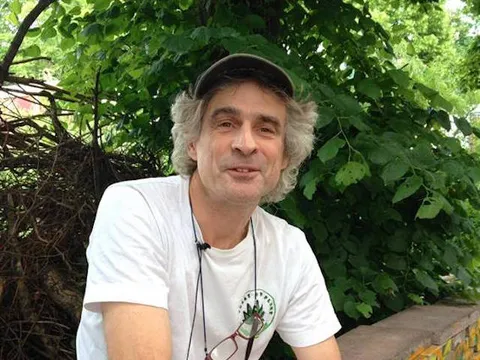 PeopleJoep OomenA Dutch activist in Antwerp who read Belgium's one-plant rule and asked whether someone else could look after the plant. The answer was Trekt Uw Plant, Belgium's first cannabis social club, founded in 2006 and twice taken to court.
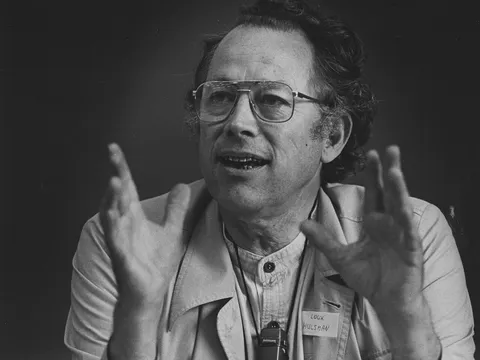 PeopleLouk HulsmanA Dutch professor of criminal law, and an escaped prisoner of the Nazis, whose commission argued in 1971 that cannabis users should be taken out of criminal law and kept apart from the market in harder drugs. The idea became Dutch policy.
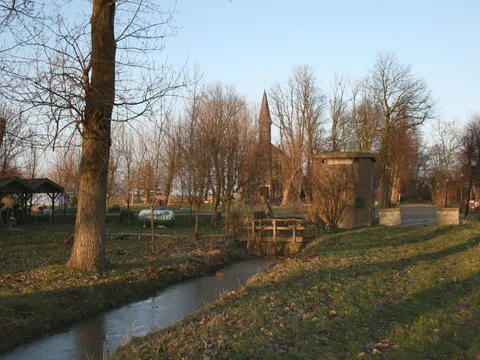 TraditionsRuigoordAn artists' village beside Amsterdam's harbour, linked to Christiania through the freetown movement. Its cannabis history includes the Highlife Cup and a festival with an explicit personal-use policy.
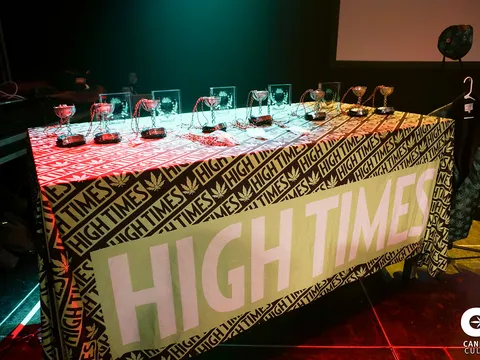 TraditionsThe Cannabis CupA yearly contest in Amsterdam, founded in 1988 by an American magazine, at which judges smoke and score the year's cannabis. It turned plant breeding into a competitive sport and Amsterdam into its capital.
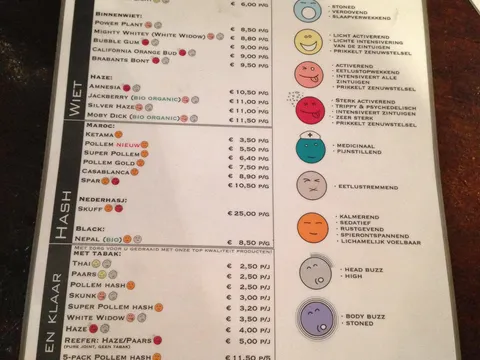 LanguageWietThe Dutch word borrowed from English weed. It usually means herbal cannabis, while hasj means resin; the Opium Act uses the plant names hennep and cannabis.
Did you know? all cases →
1953 · Netherlands
The Netherlands only made possessing cannabis an offence in 1953 — just over twenty years before it became known for tolerating it.
The full story →
Datasets not part of the score
What other organisations publish about Netherlands, and where it stands among the countries each one covers. Each dataset has a page of its own, with a world map and every country's figure.
Use
UNODC · 2024
Cannabis use
8.9%of people aged 15–64
5.4% · 20057% · 20098% · 20148.7% · 20158.4% · 20169.2% · 20179.6% · 20189.3% · 201910.1% · 202010.4% · 202110.2% · 20229.9% · 20238.9% · 202420052024 ages 15–64 · survey 2024 · 1,000,000 people · UNODC 2026
Source Survey ages and years vary, and some surveys include children. Rates are not age-standardised; do not compare countries directly.UNODC · 2014
Cannabis use at 15 and 16
7.9%in the past year
15% · 20077.9% · 201420072014 Higher than 43% of 49 countriesLowestHighest9.2% ever · 4.6% in the past month · 2014 · ages 15–16
ESPAD
Is cannabis easy to get? (students, Europe)
32.8%of students say it is easy to get
Higher than 78% of 36 countriesLowestHighest35.1% of boys · 30.7% of girls · aged 15–16 · 2024
EUDA · 2024
Cannabis in wastewater
198.60mg of THC-COOH a day per 1,000 people
147.20 · 2011139.60 · 2012188.10 · 2018193.70 · 2019191.80 · 2020130.10 · 2021133.00 · 2022187.80 · 2023198.60 · 202420112024 Higher than 91% of 33 countriesLowestHighestcities measured: 6 · 2,437,688 people served
ESPAD · 2024
Students who have tried cannabis (Europe)
15.3%of students have tried it
27.7% · 199927.5% · 200328.5% · 200727.4% · 201122.4% · 201522.4% · 201915.3% · 202419992024 Higher than 69% of 36 countriesLowestHighestaged 15–16 · 2024 · 27.7% in 1999 · 27.4% in 2011
WHO, Our World in Data · 2020
Alcohol drunk per person
8.71litres of pure alcohol a year
11.14 · 200011.14 · 200110.91 · 200210.81 · 200310.73 · 200410.75 · 200510.68 · 200610.67 · 200710.51 · 200810.37 · 200910.20 · 201010.17 · 20119.99 · 20129.77 · 20139.50 · 20149.38 · 20159.33 · 20169.34 · 20179.30 · 20189.30 · 20198.71 · 202020002020 Higher than 77% of 187 countriesLowestHighestper person aged 15 or over · 2020 · 11.14 in 2000 · 10.20 in 2010
EUDA · 2024
People entering treatment for cannabis
37.4%of people entering drug treatment came for cannabis
Higher than 76% of 29 countriesLowestHighest5,635 of 15,058 people · 2024
Law
EUDA · 2008
Offences for cannabis use or possession
13per 100,000 people
12 · 200713 · 200820072008 Higher than 13% of 23 countriesFewerMore2,413 offences in 2008 · cannabis only · use or possession, not dealing
UNODC · 2021
Police contact for drug use or possession
22per 100,000 people
Higher than 33% of 101 countriesFewerMore3,990 people in 2021 · all drugs together
UNODC · 2024
Cannabis seized
14,747kg in 2024
16,333 · 201516,333 · 20166,849 · 201710,290 · 20186,930 · 20191,524 · 2020906 · 20215,785 · 20224,085 · 202314,747 · 202420152024 Higher than 76% of 163 countriesLess seizedMore seized14,492 kg of herb · 255 kg of resin · 16,333 kg in 2015 · 1,524 kg in 2020
Society
Pew Research Center · 2025
Is using marijuana morally wrong?
32%call it immoral
Higher than 16% of 25 countriesFewer disapproveMore disapprove45% acceptable · 20% not a moral issue · 1,000 people asked
OpenAlex · 2025
Research on cannabis
7.7papers per million people
0.1 · 19690.1 · 19710.3 · 19720.5 · 19730.1 · 19740.2 · 19750.2 · 19760.3 · 19770.3 · 19780.1 · 19810.1 · 19820.2 · 19830.1 · 19840.1 · 19860.1 · 19870.1 · 19890.2 · 19900.1 · 19920.1 · 19930.2 · 19940.4 · 19950.2 · 19960.4 · 19970.6 · 19980.2 · 19990.3 · 20000.7 · 20011.1 · 20021.7 · 20032.0 · 20042.3 · 20052.2 · 20062.7 · 20073.4 · 20082.8 · 20095.7 · 20105.5 · 20115.7 · 20124.6 · 20136.7 · 20145.3 · 20155.0 · 20165.8 · 20175.5 · 20186.5 · 20196.6 · 20206.2 · 20216.4 · 20225.1 · 20236.2 · 20247.7 · 202519692025 Higher than 90% of 176 countriesLowestHighest140 papers in 2025 · 3 in 1990 · 103 in 2010
Cato and Fraser Institutes · 2023
Human Freedom Index
8.81of 10
8.84 · 20008.77 · 20018.75 · 20028.79 · 20038.76 · 20048.77 · 20058.75 · 20068.77 · 20078.74 · 20088.69 · 20098.69 · 20108.71 · 20118.69 · 20128.70 · 20138.77 · 20148.84 · 20158.82 · 20168.78 · 20178.80 · 20188.77 · 20198.53 · 20208.57 · 20218.69 · 20228.81 · 202320002023 Higher than 95% of 164 countriesLess freeFreerrank #9 of 165 · personal freedom 9.40 · economic freedom 7.97
V-Dem, Our World in Data · 2025
Civil liberties
0.91of 1 in 2025
0.84 · 19000.84 · 19010.84 · 19020.84 · 19030.84 · 19040.84 · 19050.84 · 19060.84 · 19070.84 · 19080.84 · 19090.84 · 19100.84 · 19110.84 · 19120.84 · 19130.84 · 19140.84 · 19150.84 · 19160.84 · 19170.85 · 19180.85 · 19190.85 · 19200.85 · 19210.85 · 19220.85 · 19230.85 · 19240.85 · 19250.85 · 19260.85 · 19270.85 · 19280.85 · 19290.85 · 19300.85 · 19310.85 · 19320.85 · 19330.85 · 19340.85 · 19350.85 · 19360.85 · 19370.85 · 19380.85 · 19390.35 · 19400.28 · 19410.28 · 19420.28 · 19430.28 · 19440.40 · 19450.82 · 19460.82 · 19470.82 · 19480.89 · 19490.89 · 19500.89 · 19510.89 · 19520.90 · 19530.90 · 19540.90 · 19550.90 · 19560.90 · 19570.90 · 19580.90 · 19590.92 · 19600.92 · 19610.92 · 19620.92 · 19630.92 · 19640.92 · 19650.93 · 19660.93 · 19670.93 · 19680.94 · 19690.94 · 19700.94 · 19710.94 · 19720.94 · 19730.94 · 19740.94 · 19750.94 · 19760.95 · 19770.94 · 19780.95 · 19790.95 · 19800.95 · 19810.95 · 19820.95 · 19830.95 · 19840.95 · 19850.95 · 19860.95 · 19870.95 · 19880.95 · 19890.95 · 19900.95 · 19910.95 · 19920.95 · 19930.95 · 19940.95 · 19950.95 · 19960.95 · 19970.95 · 19980.95 · 19990.95 · 20000.95 · 20010.95 · 20020.95 · 20030.95 · 20040.95 · 20050.95 · 20060.95 · 20070.95 · 20080.95 · 20090.94 · 20100.94 · 20110.94 · 20120.94 · 20130.94 · 20140.94 · 20150.94 · 20160.94 · 20170.94 · 20180.93 · 20190.93 · 20200.93 · 20210.93 · 20220.92 · 20230.90 · 20240.91 · 202519002025 Higher than 83% of 175 countriesFewer libertiesMore liberties0.85 in 1925 · 0.92 in 1961 · 0.95 in 1990
Our World in Data, World Bank · 2025
Population
18,087,633people in 2025
5,140,189 · 19005,914,229 · 19106,834,137 · 19207,859,443 · 19308,868,956 · 194010,113,759 · 195011,486,909 · 196013,052,082 · 197014,162,686 · 198015,030,886 · 199016,058,757 · 200016,771,232 · 201017,636,732 · 202018,087,633 · 202519002025 Higher than 63% of 196 countriesLowestHighest5,140,189 in 1900 · 10,113,759 in 1950 · 16,058,757 in 2000
CEPII
Former colonial rulers
Once ruled by
World Bank · 2025
Government effectiveness
88of 100
92 · 199693 · 199895 · 200095 · 200293 · 200391 · 200493 · 200587 · 200687 · 200789 · 200889 · 200989 · 201091 · 201192 · 201291 · 201391 · 201492 · 201592 · 201694 · 201794 · 201895 · 201993 · 202091 · 202189 · 202289 · 202389 · 202488 · 202519962025 Higher than 93% of 195 countriesLowestHighestestimate 1.74 on a scale of −2.5 to 2.5 · 2025 · 95 in 2000 · 92 in 2015
Eurostat · 2026
Minimum wage
€2,295a month
1,064 · 19991,092 · 20001,155 · 20011,207 · 20021,249 · 20031,265 · 20041,265 · 20051,273 · 20061,301 · 20071,335 · 20081,381 · 20091,408 · 20101,424 · 20111,447 · 20121,469 · 20131,486 · 20141,502 · 20151,525 · 20161,552 · 20171,578 · 20181,616 · 20191,654 · 20201,685 · 20211,725 · 20221,934 · 20232,070 · 20242,193 · 20252,295 · 202619992026 Higher than 87% of 31 countriesLowestHighestgross, full time · January 2026 · €1,265 in 2005 · €1,502 in 2015
Transparency International · 2024
Corruption Perceptions Index
78of 100
84 · 201283 · 201383 · 201484 · 201583 · 201682 · 201782 · 201882 · 201982 · 202082 · 202180 · 202279 · 202378 · 202420122024 Higher than 95% of 178 countriesLowestHighest0 highly corrupt, 100 very clean · 2024 · 84 in 2015 · 82 in 2020
Pew Research Center · 2020
Most common religion
Religiously Unaffiliated
the largest group · 2020
World Bank · 2025
Income per person
$71,378per person
43,128 · 199043,833 · 199144,246 · 199244,491 · 199345,533 · 199446,720 · 199548,096 · 199649,882 · 199751,879 · 199854,134 · 199956,017 · 200056,887 · 200156,664 · 200256,453 · 200357,391 · 200458,422 · 200560,392 · 200662,602 · 200763,678 · 200861,030 · 200961,519 · 201062,318 · 201161,481 · 201261,281 · 201362,046 · 201463,081 · 201564,268 · 201665,666 · 201766,758 · 201867,848 · 201964,862 · 202068,574 · 202171,324 · 202270,199 · 202370,494 · 202471,378 · 202519902025 Higher than 94% of 187 countriesLowestHighestat purchasing power parity, 2021 dollars · 2025 · $43,128 in 1990 · $61,519 in 2010
Wikimedia · 2026.792
Views of the cannabis article on Wikipedia
30page views in 2026–10
6,930 · 20157,964 · 20158,333 · 20159,576 · 20159,735 · 20158,665 · 201510,962 · 20169,947 · 201610,463 · 201610,212 · 20169,972 · 20169,781 · 20167,049 · 20168,212 · 20168,871 · 20169,589 · 201610,018 · 20168,297 · 20169,925 · 20179,192 · 20179,329 · 20178,807 · 20179,131 · 20179,382 · 20177,213 · 20177,431 · 20177,203 · 20179,145 · 20178,134 · 20176,691 · 20178,630 · 20187,039 · 20188,791 · 20187,627 · 20187,535 · 20188,139 · 20186,397 · 20186,494 · 20188,005 · 20189,923 · 20189,890 · 20188,991 · 201810,187 · 20198,727 · 201910,178 · 20198,741 · 20199,357 · 20198,833 · 20197,409 · 20198,663 · 20197,684 · 20197,661 · 20197,500 · 20196,929 · 20197,996 · 20207,092 · 20207,333 · 20208,370 · 20207,639 · 20206,722 · 20206,009 · 20205,211 · 20205,877 · 20206,666 · 20206,535 · 20205,856 · 20206,182 · 20215,523 · 20216,480 · 20216,120 · 20215,139 · 20214,509 · 20213,955 · 20214,122 · 20214,200 · 20214,880 · 20215,016 · 20214,096 · 20214,670 · 20223,848 · 20223,650 · 20223,565 · 20223,431 · 20223,488 · 20223,122 · 20223,482 · 20223,794 · 20224,226 · 20224,030 · 20223,249 · 20223,957 · 20233,698 · 20233,977 · 20233,188 · 20233,158 · 20232,835 · 20232,911 · 20232,846 · 20232,276 · 20232,492 · 20232,051 · 20232,197 · 20232,738 · 20242,663 · 20242,623 · 20243,379 · 20242,838 · 20242,616 · 20242,213 · 20242,516 · 20242,403 · 20242,562 · 20242,499 · 20242,331 · 20242,720 · 20252,220 · 20252,430 · 20252,748 · 20252,803 · 20252,771 · 20251,763 · 20251,956 · 20251,748 · 20251,721 · 20251,875 · 20251,971 · 20251,956 · 20261,515 · 20261,526 · 20261,574 · 20261,531 · 20261,279 · 20261,173 · 20261,289 · 20261,407 · 202630 · 202620152026 Higher than 69% of 26 countriesLowestHighestCannabis (drug) · nl Wikipedia
Dutch Wikipedia, also read in Belgium.
World Bank · 2024
Development indicators
97%use the internet
0.3% · 19900.5% · 19911.3% · 19922% · 19933.3% · 19946.5% · 19959.7% · 199614.1% · 199722.2% · 199839.2% · 199944% · 200049.4% · 200161.3% · 200264.3% · 200368.5% · 200481% · 200583.7% · 200685.8% · 200787.4% · 200889.6% · 200990.7% · 201091.4% · 201192.9% · 201294% · 201391.7% · 201491.7% · 201590.4% · 201693.2% · 201791.9% · 201893.3% · 201991.3% · 202092.1% · 202192.5% · 202297% · 202397% · 202419902024 Higher than 91% of 195 countriesLowestHighest95.6% live in towns · 20.5% aged 65+ · life expectancy 82 · 2024 · 44% in 2000 · 90.7% in 2010
GDELT · 2025
Cannabis in the news
0.0005%of global news: cannabis articles from here
0.002% · 20170.0016% · 20180.001% · 20190.0005% · 20200.0006% · 20210.0005% · 20220.0007% · 20230.0005% · 20240.0005% · 202520172025 Higher than 65% of 147 countriesLowestHighest2025 average, 348 days · 0.0016% in 2018 · 0.0006% in 2021
Plant and market
EUDA · 2024
Street price of cannabis (Europe)
€4.43a gram of herb
6.45 · 20025.97 · 20036.22 · 20044.11 · 20054.40 · 20064.30 · 20075.20 · 20084.90 · 20094.20 · 20105.90 · 20115.30 · 20124.50 · 20134.70 · 20144.90 · 20154.84 · 20164.04 · 20174.39 · 20184.19 · 20194.67 · 20203.79 · 20215.13 · 20224.78 · 20234.43 · 202420022024 Higher than 11% of 28 countriesLowestHighest€10.26 a gram of resin · 2024 · €4.20 in 2010 · €4.90 in 2015
EUDA · 2024
THC in cannabis sold (Europe)
5.59%THC in herb
18% · 200220.3% · 20037% · 20046.7% · 20055.5% · 20066% · 20078.4% · 20089.9% · 20096.6% · 20105.7% · 20115.1% · 20124.8% · 20134.8% · 20145.8% · 20156.9% · 20166.6% · 20173.7% · 20184.8% · 20194% · 20202.4% · 20213.39% · 20223.96% · 20235.59% · 202420022024 Higher than 11% of 27 countriesLowestHighest23.02% in resin · 2024 · 6.6% in 2010 · 5.8% in 2015
OpenStreetMap · 2026
Cannabis shops on the map
414shops mapped
Higher than 93% of 59 countriesFewer shopsMore shops23 per million people · 2026
GBIF · 2026
Records of the cannabis plant
1,173dated records
1 · 18432 · 18543 · 18644 · 18716 · 18768 · 18779 · 187811 · 187912 · 188213 · 188614 · 189119 · 189320 · 189421 · 189523 · 189824 · 190127 · 190228 · 190329 · 190432 · 190534 · 190935 · 191036 · 191142 · 191255 · 191362 · 191567 · 191669 · 191771 · 192073 · 192579 · 192781 · 192885 · 193188 · 193293 · 1933101 · 1934104 · 1935107 · 1936112 · 1937120 · 1938125 · 1939127 · 1940128 · 1942129 · 1943130 · 1948131 · 1949133 · 1950134 · 1951138 · 1952139 · 1953140 · 1955143 · 1957144 · 1958145 · 1960146 · 1961149 · 1962151 · 1963152 · 1964153 · 1965156 · 1966160 · 1967164 · 1968168 · 1969170 · 1970173 · 1971178 · 1972180 · 1975181 · 1977183 · 1978184 · 1980189 · 1981190 · 1982191 · 1983193 · 1984198 · 1985199 · 1986200 · 1987201 · 1988204 · 1989205 · 1990207 · 1991209 · 1992211 · 1993213 · 1996218 · 1997221 · 1998225 · 1999226 · 2000230 · 2001234 · 2002236 · 2003238 · 2004242 · 2005244 · 2006249 · 2007260 · 2008272 · 2009297 · 2010317 · 2011349 · 2012371 · 2013393 · 2014426 · 2015435 · 2016456 · 2017501 · 2018530 · 2019587 · 2020667 · 2021746 · 2022833 · 2023949 · 20241,084 · 20251,173 · 202618432026 Higher than 96% of 128 countriesLowestHighest97 more without a date · 89 in 2026 · 145 by 1960 · 226 by 2000
FAO · 2024
Hemp grown
3,370ha in 2024
1,200 · 19971,100 · 19981,200 · 1999800 · 20001,000 · 20012,100 · 20021,500 · 2003200 · 2004150 · 2005150 · 2006100 · 2007300 · 2008900 · 20091,000 · 2010900 · 20111,274 · 20121,284 · 20131,633 · 20142,041 · 20152,262 · 20161,272 · 20171,990 · 20181,880 · 20191,830 · 20201,700 · 20211,700 · 20221,980 · 20233,370 · 202419972024 Higher than 77% of 39 countriesLowestHighest24,570 t of fibre · 800 ha in 2000
ClinicalTrials.gov · 2026
Clinical trials of cannabis medicines
21studies so far
2 · 20155 · 20167 · 20178 · 20189 · 20199 · 202012 · 202112 · 202216 · 202318 · 202420 · 202521 · 202620152026 Higher than 78% of 50 countriesLowestHighest1 actual starts in 2026 · as of 2026–10–26 · 9 by 2020
Enforcement 1 report · the Cannabis Enforcement Tracker →
How the law above is applied: raids, seizures, fields destroyed, arrests and sentences, as recorded by the Cannabis Enforcement Tracker, our companion site.
- RaidPolice dismantle over 1,000 cannabis plants in a Losser warehouse
Police entered a business hall on the Pol in Losser after an anonymous tip and found a working cannabis farm with more than 1,000 plants. The nursery had illegally tapped electricity and water; no one had been arrested.
History 28 of 28 checked against a source
Score and entries per decade
37 today, from 100 before its first recorded change
This country's score Entries that moved the score Context only
20263 entries0 score changes
Culture & science ✓ Article
Dutch coffeeshop trial finds more choice as researchers await longer-term results
The first follow-up of the regulated supply experiment reported a wider range of cannabis and largely positive early experiences among coffeeshop visitors. Researchers found no clear differences from comparison municipalities in use, visits, health, safety or public order, and said further measurements were needed to identify effects. The experimental phase began in April 2025.
Hemp ✓
The Netherlands puts HHC on its hard-drugs list
A decree of 19 January 2026 added HHC, a semi-synthetic cannabinoid sold in the gaps of the law, to List I of the Opium Act, the list for drugs with unacceptable risks, following UN decisions of 2024 and 2025. It took effect the day after its publication in the Staatsblad.
Medical ✓
The Dutch state ends its contract with its only medicinal cannabis grower
For more than twenty years the Office of Medicinal Cannabis bought all the cannabis that Dutch pharmacies dispensed from one domestic grower. That contract ended on 1 January 2026. The office supplies pharmacies from stock until it switches to imported cannabis in 2027, and stops exporting to patients in other EU countries at the end of 2026. A law ending its monopoly, so that companies can supply pharmacies directly, is planned for mid-2028.
20251 entry0 score changes
20231 entry0 score changes
20121 entry0 score changes
20111 entry0 score changes
20031 entry0 score changes
19961 entry1 score change
19931 entry0 score changes
19882 entries0 score changes
Culture & science ✓ Article
The first Cannabis Cup is held in Amsterdam
The conventionally recognised first official High Times Cannabis Cup took place in Amsterdam in 1988, founded by Steven Hager; Cultivator's Choice's Skunk No. 1 won. The organiser's retrospective uses 1988, while accounts from Ben Dronkers and the World of Cannabis Museum describe an earlier gathering in 1987. These sources do not establish a single undisputed date for every early meeting.
Other law ✓
EU court excludes tolerated Dutch hashish sales from VAT
In Happy Family, arising from hashish sales at an Amsterdam youth centre, the Court of Justice held that unlawful cannabis-drug supplies outside strictly controlled medical and scientific channels fell outside VAT under the Sixth Directive. Selective non-prosecution did not turn those sales into lawful trade. The judgment preserved national powers to punish drug offences; it did not legalise retail cannabis or exempt it from every kind of tax.
19871 entry0 score changes
19851 entry0 score changes
19801 entry0 score changes
19761 entry1 score change
19742 entries0 score changes
Enforcement ✓ Article
Dutch navy pursues the hashish-carrying fishing boat Lammie
The Dutch navy pursued the fishing boat Lammie carrying about 10,000 kg of hashish from Lebanon. Stephen Snelders describes the captain sinking the vessel as it was about to be boarded. The transport linked criminal entrepreneurs with fishermen and maritime contacts, illustrating the growth of the illegal supply network before the 1976 toleration reform.
Debate ✓
The Dutch government says it would legalise cannabis if the treaty allowed
A government memorandum stated that use of cannabis and possession for personal use should be removed from criminal justice as soon as possible, but that this would conflict with treaty obligations. It promised to explore amending the Single Convention; the idea was not pursued, and the 1976 law used non-prosecution instead.
19731 entry0 score changes
19722 entries0 score changes
Other law ✓ Article
Dutch court rejects a narrow reading of the hashish prohibition
Stephen Snelders describes a Hague court decision that hashish was prohibited under the Opium Act even when its origin in dried cannabis tops could not be proved. Three Rotterdam businessmen received sentences of eighteen months, eighteen months and nine months after a case involving a 110 kg seizure. This records a historical enforcement interpretation, not a new national ban.
Debate ✓ Article
The Baan Commission proposes separating the drug markets
A government working group argued that drugs should be ranked by risk and that keeping cannabis users away from dealers of harder drugs mattered more than punishing them. Its report became the basis of the 1976 law.
19711 entry0 score changes
19671 entry0 score changes
19651 entry0 score changes
19531 entry1 score change
19481 entry0 score changes
19471 entry0 score changes
19281 entry1 score change
Sources hover a number in the text to see its source
- Cited
- 34
- Websites
- 27
- Last reviewed
- History checked
- 28/28
Most cited
- wetten.overheid.nl3
- cannabisfreedom.fyi2
- cnnbs.nl2
- en.wikipedia.org2
- euda.europa.eu2
- trimbos.nl2
All 34 sources
- Government of the Netherlands — Toleration policy regarding soft drugs and coffee shopsarchived
- Opiumwet — articles 3, 11 and 13 (version in force from 1 January 2026, wetten.overheid.nl)Art. 11(1), (2), (3) and (6); art. 13 (overtredingen and misdrijven)archived
- Wetboek van Strafrecht — article 23, fine categories (amounts from 1 January 2026)Art. 23(4): second category €5,500, fifth category €110,000archived
- Vicente LLP — The Dutch experiment: transition to a regulated cannabis marketarchived
- Tweede Kamer 24077 nr. 558 — Minister of Justice's letter on the report 'Coffeeshops in Nederland 2024' (2 October 2025)2025archived
- Trimbos Institute — THC-monitor 2024–2025 (January 2026)2026 · Samenvattingarchived
- Breuer&Intraval, RAND Europe and Trimbos Institute — Onderzoek Experiment Gesloten Coffeeshopketen, first follow-up measurement 2025 (2026)2026 · Summary; chapter 2 (design and municipalities)archived
- Office of Medicinal Cannabis (Bureau voor Medicinale Cannabis)archived
- Tweede Kamer 29477 nr. 986 — Health Minister's letter on medicinal cannabis (3 July 2026)2026archived
- Expertisecentrum Openbare Orde & Veiligheid (University of Groningen) — Cannabis Clubs (19 May 2016)archived
- CNNBS.nl — Cannabis Social Clubs in Nederland: de stand van zaken (4 October 2016)archived
- CNNBS.nl — Cannabisclubs Utrecht verboden (16 May 2014)archived
- Rechtbank Overijssel — Geen straf voor verkoop illegale wietolie (18 November 2021)archived
- Opiumwet — lijst II and artikel 11a (wetten.overheid.nl)archived
- RVO — Hennep, GLB 2026archived
- Blenheim — Cannabis (CBD and THC) and hemp in the Netherlands (29 September 2023)archived
- Besluit van 19 januari 2026, Stb. 2026, 11 — HHC and other substances added to Opium Act lists I and II2026archived
- Omroep Brabant — Weer minder wietkwekerijen ontdekt (8 May 2025), reporting the National Police's 2024 figuresarchived
- EUDA — Legal approaches to drugs and driving, country table (last updated May 2025)archived
- EUDA — Statistical Bulletin 2026, drug law offences: cannabis (totals and use-related)archived
- Wikipedia — Coffeeshop (Netherlands)archived
- CEDRO — Peter Cohen, The case of the two Dutch drug policy commissions (1994)archived
- Wikipedia — Hash, Marihuana & Hemp Museumarchived
- Cannabis Cup — Welcome to Amsterdam, Birthplace of the Cannabis Cuparchived
- Oneindig Noord-Holland — Ruigoordarchived
- Wiktionary — wiet, Dutch entryarchived
- Cannabis Freedom Index — Indica and sativa (atlas)archived
- Cannabis Freedom Index — Joep Oomen (atlas)archived
- Pew Research Center — In 25-country survey, Americans especially likely to view fellow citizens as morally bad (5 March 2026), survey of 2025archived
- OpenAlex — works mentioning cannabis or cannabinoids, by author country (datasets/openalex-cannabis-papers.csv)archived
- ClinicalTrials.gov — registered studies with a cannabis or cannabinoid intervention, as of 26 October 2026 (datasets/clinicaltrials-cannabis.csv)archived
- Maastricht University — Cannabis types have different effects on driving (1 December 2020), on the trial published in JAMAarchived
- WODC — Possible effects of the cannabis experiment cannot yet be established (9 September 2026)archived
- International Narcotics Control Board — Travellers carrying medicines containing controlled substances