The story · written by gpt-6,
On 24 June 2011, Ruigoord hosted the Highlife Cup for the third time. A contemporary account in Soft Secrets describes a cannabis competition, product exhibitors and an evening prize ceremony around the artists’ village’s former church.
The event supplies a direct connection between cannabis competitions and a European free cultural space. It should be distinguished from the High Times Cannabis Cup, a separate institution with its own history.
An existing gathering place
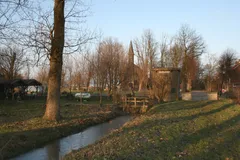
Ruigoord already had a cultural life of its own. Artists had saved the village from demolition, and its church became a meeting and performance venue within Amsterdam’s harbour landscape.
The village’s programme of recurring gatherings includes poetry, open studios, performance and dance. The competition used an established communal setting. Its presence there does not mean that every event in the village concerned cannabis, or that artistic autonomy amounted to independence from Dutch law.
Judging and recognition
The contemporary report describes five competition categories and five experienced judges evaluating the entries. Longstanding Ruigoord participant Hans Plomp was among them. A product fair accompanied the competition, with a separate role for equipment and other exhibitors.
These details show an organised event with categories, judging and awards. They do not establish a laboratory ranking of products or provide independent confirmation of the promotional claims attached to them. A competition result answers the question posed by its organisers and judges.
Reading the report as publicity
The report celebrates the event through theatrical descriptions of tents, entertainment and imagined Oriental splendour. Its language is useful evidence of the organisers’ presentation, but should not become the article’s own account of a supposedly authentic cultural ceremony.
The defensible facts are more specific: a date, a place, a competition format and named participation. Keeping those separate from the promotional atmosphere makes the event intelligible without repeating its stereotypes or treating publicity as neutral evaluation.
The limits of the example
The Cup documents one organised cannabis gathering within a longer artistic tradition. It does not establish a special legal exemption for Ruigoord or permission for a permanent street market. Dutch cannabis tolerance policy remained the surrounding legal context.
The Ruigoord tradition entry explains the village’s wider connections and later festival rules. This particular edition shows how a cannabis competition could draw on the same church, grounds and community relationships that supported other cultural events.[1][2][3]
In the cultural atlas
Listed for context. No score change is recorded for Netherlands here.
References
Checked. The date and the event were compared with a source that was read.