The story · written by gpt-6,
On 7 April 2025, the Dutch cannabis supply-chain experiment entered its experimental phase in ten municipalities. Participating coffeeshops were to sell regulated cannabis rather than products from the tolerated supply chain. The change came with an important qualification: enforcement against unregulated hashish was temporarily deferred.
The announcement issued five days earlier makes that distinction explicit. It prevents the headline “regulated growers only” from being read as a complete overnight switch for every product.
From coexistence to a closed chain
The 2023 start-up in Breda and Tilburg had permitted regulated and tolerated cannabis together. The later experimental phase was intended to test a chain connecting authorised cultivation, distribution and sale.
That design addressed the familiar Dutch discrepancy between tolerated retail sales and illegal commercial supply. It changed the conditions for participating shops without creating an unrestricted national cannabis market. The coffeeshop entry follows the wider institution and its rules.
Hashish required more time
The April announcement identified uncertainty over whether regulated producers could supply enough hashish consistently. It allowed mayors to suspend enforcement of the ban on illegal hash sales while growers refined production and shops expanded regulated procurement.
The stated concern was that shortages might redirect buyers towards illegal street sales. This was a practical difficulty within the trial, rather than evidence that cannabis flower and hashish had become identical products or that supply problems had already been solved.
The announcement set a later enforcement target. That prospective date should not be treated as proof that every subsequent step occurred exactly as first planned; this article concerns the conditions under which the April phase began.
Rules for the participants
The government’s requirements page describes controls on procurement, stock and operation within the trial. A participating shop remained subject to conditions; regulated supply did not remove the surrounding retail restrictions.
This distinction also separates the experiment from ordinary coffeeshop tolerance elsewhere. The permissions belonged to specified participants and municipalities, not to anyone cultivating or selling cannabis in the country.
An experiment with questions still open
The government assigned independent researchers to examine public health, crime, safety and nuisance. The programme was meant to generate evidence for later policy decisions, not to declare those outcomes favourable in advance.
The historical change was therefore both legal and experimental: a regulated chain became the intended exclusive source, while a product-specific supply problem required a temporary exception in enforcement.[1][2][3]
In the cultural atlas
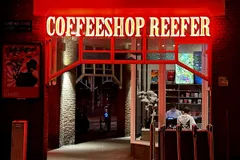
Listed for context. No score change is recorded for Netherlands here.
References
- Government of the Netherlands — Experimental phase starts on 7 April (2 April 2025)archived
- Government of the Netherlands — Requirements for coffee shops in the experimentarchived
- Government of the Netherlands — Experiment timelinearchived
- Government of the Netherlands — Experimental phase of the closed coffee shop chain experiment to begin in Aprilarchived
Checked. The date and the event were compared with a source that was read.