France
14/100
#60 of 196 worldwide
#25 of 45 in Europe
One of Europe's strictest laws alongside its highest use rates. Since 20 August 2026 ordinary illicit use can be ended by a fixed fine of €500, or €400 if paid within 15 days and €1,000 if the fine is increased. A medical experiment has run since 2021. CBD flower is legal.
In short all countries →
- Can I carry it?NoIt is a crime
- Can I grow it?NoIt is a crime
- Can I buy it?LimitedOn prescription only
- Can I use it in public?NoNot in public, and even at home the law does not protect it
- What if I'm caught?Fine or prisonUsually a fine; prison is possible
A rough guide read from the scores and the rules below, not legal advice. The details and the exceptions are in each segment: select an answer to jump to it.
Cannabis in France not part of the score · all 28 datasets ↓
Who uses it
About 1 in 9
people aged 18–64 in France used cannabis in the past year: about 4.3 million people.
- Past year
- 10.8%
- Europe median
- 5.8%
UNODC · survey 2023
Source Past-year cannabis use among people aged 18–64. People who used cannabis in the past year, from a 2023 survey, applied to today's population aged 18–64. The population is approximate: the survey ages cut through an age group, or were not recorded and ages 15–64 are used.Survey ages and years vary, and some surveys include children. Rates are not age-standardised; do not compare countries directly.
UNODC World Drug Report 2026, annex table 1.2. Population from the World Bank, aged 18–64. The whole dataset →
Use across Europe
3rdhighest of 44 surveyed countries
- 🇦🇩 Andorra14.6%
- 🇪🇸 Spain12.6%
- 🇫🇷 France10.8%
- 🇮🇹 Italy10.8%
- 🇲🇨 Monaco10.5%
Past-year use, latest survey of each. Survey years and ages differ. On the map →
What they think of it
“Is using marijuana morally acceptable?”
51% say it is morally unacceptable
- Acceptable 21%
- Not a moral issue 26%
- Depends or no answer 1%
- Unacceptable 51%
The 12th least disapproving of the 25 countries surveyed, where the median is 52%. On the map →
Source Pew Research Center, surveyed January to May 2025, 1,006 adults (topline, question 17g).Cannabis in figures
- Offences for cannabis use or possession178per 100,000 people · 2010
- Police contact for drug use or possession397per 100,000 people · 2024
- Cannabis seized101,000kg in 2024 · 2024
- THC in cannabis sold (Europe)14.3%THC in herb · 2024
- Street price of cannabis (Europe)€9.60a gram of herb · 2012
The dot: where it stands among the countries each dataset covers, lowest to highest. All datasets ↓
Score breakdown 14/100 · how the scores are made
Neighbours · 9 of 11
- 🇪🇸 Spain31
- 🇨🇭 Switzerland30
- 🇮🇹 Italy26
- 🇧🇪 Belgium25
- 🇧🇷 Brazil23
- 🇫🇷 France14
- 🇦🇩 Andorra11
- 🇲🇨 Monaco11
- 🇸🇷 Suriname9
Ordinary illicit use of a drug scheduled as a narcotic is a criminal offence punishable by up to one year in prison and a €3,750 fine. Since 20 August 2026 the prosecution for that offence, including a repeat offence, can be ended by a fixed fine of €500, reduced to €400 if paid within 15 days and raised to €1,000 once the fine is increased. Article L3421-1 sets no gram amount for that fine. Accepting it means the cannabis is destroyed and the offence is entered on the criminal record.[5][6][7] Use during or in connection with public-authority or public-service duties, or specified safety-sensitive transport duties, carries up to five years and €75,000. This aggravated offence is outside the ordinary-use fixed-fine procedure.[8][5] France made cannabis use punishable on the spot in 2020. France raised the on-the-spot fine to 500 euros in 2026.
| Amount | What happens | Punishment | Fine |
| Ordinary illicit useProsecution can end in a fixed fine of €500 (€400 within 15 days, €1,000 if increased); no gram amount set | CriminalPossession | Up to 1 year | Up to €3,750 |
| Use connected with public-authority duties or safety-sensitive transport | CriminalPossession | Up to 5 years | Up to €75,000 |
Growing cannabis is treated as production of narcotics: the law treats cultivation as trafficking, punished with up to 20 years and EUR 7,500,000.[7] Courts treat even a few plants as a production offence, though limited personal-use plots draw far lighter use-like sentences in practice — while still leaving a trafficking conviction on the record.[7] The 1970 law criminalised use and trafficking.
| Amount | What happens | Punishment | Fine |
| Growing cannabis (production of narcotics)Limited personal-use plots draw far lighter use-like sentences, but the conviction stays trafficking | CriminalCultivation | Up to 20 years | Up to €7,500,000 |
Among Europe's strictest laws on paper, applied mainly as fixed fines of €500 — hundreds of thousands a year — concentrated in poorer neighbourhoods. The ordinary-use one-year prison maximum remains available.[7][5] Use during or in connection with public-authority or public-service duties, or specified safety-sensitive transport duties, carries up to five years and €75,000. This aggravated offence is outside the ordinary-use fixed-fine procedure.[8][5]
Giving cannabis to someone for their personal use is a specific offence with up to five years and a €75,000 fine; the prison term rises to ten years when the recipient is a minor or the act happens in or near a school or educational setting.[7][9] France toughened trafficking sentences in 1987.
| Amount | What happens | Punishment | Fine |
| Supply for another person's personal useRises to ten years when sold to minors or in/near schools | CriminalSupply | Up to 5 years | Up to €75,000 |
Ordinary illicit use is a criminal offence in public or private, with up to one year and €3,750; eligible ordinary-use cases can end through the €500 fixed-fine process.[5][8] Use during or in connection with public-authority or public-service duties, or specified safety-sensitive transport duties, carries up to five years and €75,000. This aggravated offence is outside the ordinary-use fixed-fine procedure.[8][5] France let police settle cannabis use with a payment in 2014.
Extremely restricted medical access survives for patients enrolled before 27 March 2024.[10] They may continue to receive prescriptions and pharmacy dispensing during the transition; no new patients can enter.[10] CBD flower under 0.3% THC is also lawful to sell.[11] France started a medical cannabis experiment in 2021. France reauthorised cannabis medicines in 2013.
Context not part of the score · every country, by topic →
There is no legal recreational market. Ordinary illicit use is a criminal offence, but since August 2026 most cases end in a fixed fine — €500, €400 if paid within 15 days, €1,000 if increased — rather than court, and the law sets no gram amount for it.[5][6][7] Use connected with public-authority duties or safety-sensitive transport is treated far more severely, up to five years and €75,000.[8] France made cannabis use punishable on the spot in 2020.
A national experiment began in 2021 for a few thousand patients with severe conditions.[12] It formally ended on 31 December 2024 with no permanent regime in place.[12][10] Existing patients remain eligible for prescriptions and dispensing during a transitional extension lasting until three months after the forthcoming health-technology assessment is published.[10] A decree setting out how cannabis medicines will be assessed and reimbursed went to the Conseil d'État on 2 July 2026; first prescriptions under a permanent regime are expected in 2027 at the earliest.[13] France started a medical cannabis experiment in 2021.
Clubs have no legal footing and the one organised attempt was shut down by the courts.[14] In March 2013 a federation of Cannabis Social Clubs registered itself with the prefecture in Tours as an act of open defiance, claiming about 150 clubs growing for their members' own use; only six declared themselves.[15] Its spokesman was given a six- month suspended sentence and a 2,000 euro fine in April 2013 after 126 plants were found at his home, and in June 2013 the Tours court dissolved the federation as unlawful and contrary to good morals and barred its members from meeting.[15][14] Other branches faced the same dissolution proceedings.[14] No source read describes clubs operating openly since.
Only certified seed of authorised Cannabis sativa varieties at or below 0.3% THC may be used, and only active farmers may cultivate hemp flowers and leaves.[16] The sale of plants and taking cuttings are expressly prohibited, so psychoactive seed is not an adult-use route and clones cannot lawfully be supplied.[16]
Only certified seed of authorised Cannabis sativa varieties at or below 0.3% THC may be used, and only active farmers may cultivate hemp flowers and leaves; selling plants and taking cuttings are expressly prohibited.[16] CBD flower and products under 0.3% THC are lawful to sell.[11] France's top court allowed CBD flower sales in 2022.
Hemp cultivation is long established; medical cannabis production has awaited a permanent legal framework.[12] France started a medical cannabis experiment in 2021.
All cannabis sold in France is illegal, and it is the largest drug market by volume.[17] A study for the national drug observatory OFDT estimated that 397 tonnes were consumed in mainland France in 2023, worth about 2.7 billion euros.[17] The volume has been almost flat since 2017 (up 2.3%), in line with use.[17] In value, cocaine overtook cannabis for the first time, at 3.1 billion euros; together the two make up nearly 90% of a drug market estimated at 6.8 billion euros.[17]
There is no legal recreational supply for anyone.[5] Ordinary illicit use is a criminal offence punishable by up to one year in prison and a €3,750 fine.[5] Since 20 August 2026 the prosecution can be ended by a fixed fine of €500, or €400 if paid within 15 days and €1,000 if the fine is increased.[5][6][11] Use during or in connection with public-authority or public-service duties, or specified safety-sensitive transport duties, carries up to five years and €75,000.[8] This aggravated offence is outside the ordinary-use fixed-fine procedure.[8][5] France made cannabis use punishable on the spot in 2020.
Driving after using a narcotic is an offence whatever the amount; there is no threshold.[18] Police screen heavily: the road-safety observatory counted about 1.2 million drug screenings in 2024, of which 11.1% were positive.[18] Nine in ten were preventive checks or followed another traffic offence, and those were positive 11.7% of the time; of the 55,886 screenings carried out after an injury or fatal crash, 6.2% were positive.[18]
Use itself is a criminal offence and is policed on a large scale.[18] The road-safety observatory's compilation of police data records 148,556 offences of drug use in 2024, almost three times as many as in 2017; the figure covers all narcotics, of which cannabis is by far the commonest.[18] France made cannabis use punishable on the spot in 2020.
Since 20 August 2026, a paid criminal fixed fine for cannabis use generally appears on bulletin no. 2 (B2) of the criminal record for three years from payment; the statute also specifies a starting point for increased unpaid fines.[19][20] Only specified authorities, administrations and authorised employers can obtain B2 information, so employment or professional-licensing consequences are possible.[19] Judicial exclusion can be requested.[19][20] Longer retention in other registers is separate: the cited guidance describes ten years in a national database.[7] A court conviction under L3421-1 or L3421-6 may also bring up to three years' suspension of driving or powered-boat licences.[6] France raised the on-the-spot fine to 500 euros in 2026.
Paris discovered hashish twice: in the 1840s the Club des Hashischins gathered writers and doctors around Jacques-Joseph Moreau's dawamesk experiments (his 1845 study), and Paris hospitals treated cholera with hashish tincture (in 1848).[21] The word assassin itself passed through Paris a generation earlier: in 1809 Silvestre de Sacy lectured that it came from hashish-eaters, fixing the association of hashish with violent madness (his lecture).[22] A century later France banned cannabis as a medicine in 1953, removing it from the pharmacopoeia (the 1953 ban).[23] The fibre custom survived alongside the drug history: in Franche-Comté carnival dancers leapt to make the hemp grow tall (the hemp dance).[24] On Réunion, French since 1946, cannabis is called zamal; the island's rituals and networks are described in zamal on Réunion.[25] The CBD chapter is the newest: the Council of State allowed CBD flower sales in 2022 (the 2022 ruling).[11]
Taking cannabis into or out of France is a separate offence from possessing it, normally charged as smuggling or trafficking, with far heavier penalties. That holds almost everywhere, including between two places where cannabis is legal.
A prescription from another country is not recognised by itself. Within the Schengen area a patient can carry prescribed medicine for up to 30 days with a certificate issued by their home health authority; whether cannabis qualifies depends on both countries.[26]
General guidance that applies to almost every country, not a check of France's customs rules.
Culture the atlas →
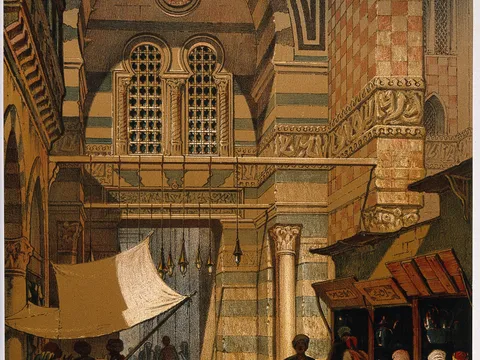 LanguageHashishArabic for dried grass. The word for cannabis resin from Morocco to Afghanistan.
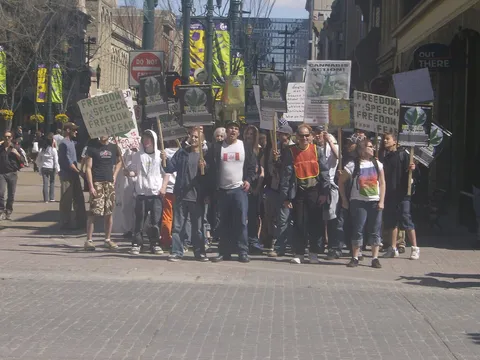 TraditionsThe Global Marijuana MarchOn the first Saturday of May, people in hundreds of cities march for legal cannabis. Brazil's supreme court had to rule that doing so is free speech.
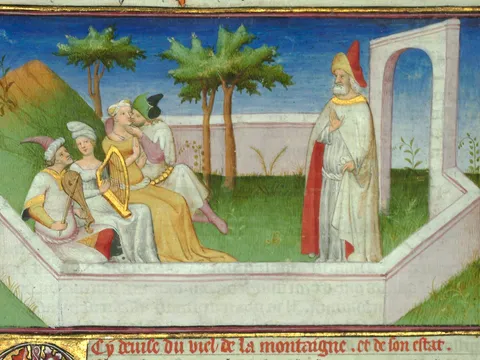 LanguageAssassinA medieval Arabic insult for the Nizari Ismailis of Syria, ḥashīshiyya, that became the European word for a hired killer. Medieval legends of drugged killers, repeated by Marco Polo and given scholarly authority in 1809, later helped make cannabis itself an “assassin of youth”.
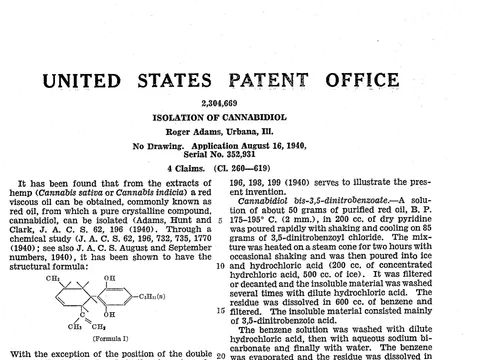 LanguageCBDCannabidiol, the cannabis compound that does not get people high. Studied since 1940, it became a word on shop shelves only after 2018, and the law still cannot agree whether it is a medicine, a food, a drug or none of these.
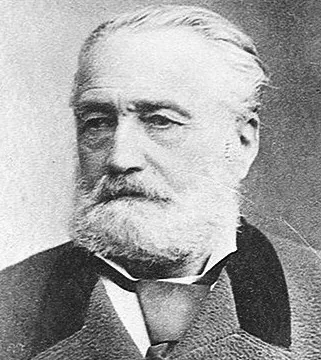 PeopleJacques-Joseph MoreauA Paris psychiatrist who brought hashish back from the East, took it himself, gave it to students and patients, and in 1845 published the first medical book on a drug's effects on the mind. He supplied the hashish of the Club des Hashischins.
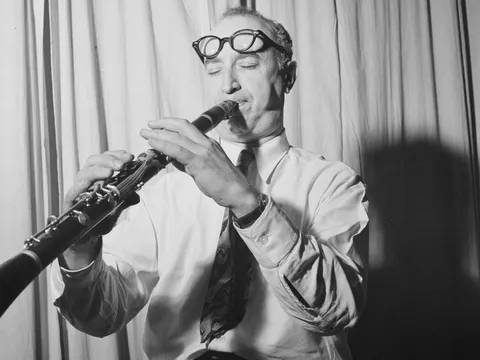 PeopleMezz MezzrowA Chicago clarinettist who became better known for the marijuana he sold to the jazz world than for his playing, so much so that "mezz" became a word for it. Louis Armstrong was among his customers.
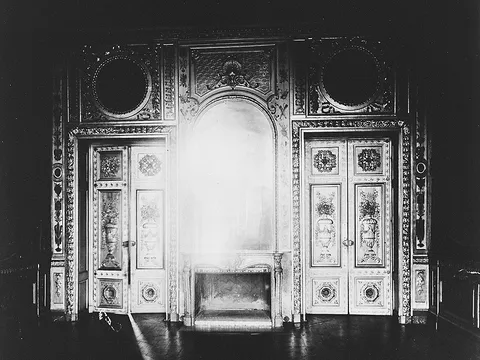 TraditionsThe Club des HashischinsWriters, artists and a physician experimented with hashish at Paris's Hôtel Pimodan in the 1840s. Gautier's fantastic account made the gatherings seem more like a secret society than the evidence warrants.
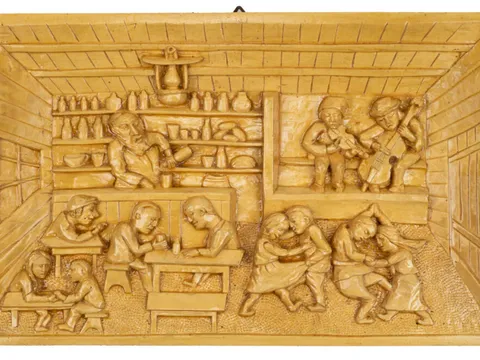 TraditionsThe hemp danceAcross Europe, farmers believed hemp would grow as tall as they could jump. Polish women leapt high around Shrovetide, Swabian couples jumped the Midsummer fire, and Ukrainian girls sowed hemp seed on St Andrew's Eve to learn whom they would marry.
Show all 10
 LanguageZamalThe Creole word for cannabis on Réunion. It seems to come from Madagascar, though modern Malagasy does not use it; on the island it names a plant, a temper and a book of poems.
 TraditionsZamal on RéunionOn Réunion cannabis arrived with enslaved Malagasy and indentured labourers, and found a place in their rites, gardens and remedies. In Tamil temples the gods were said to ask for it through possessed priests. Most of those uses had faded by the 1970s.
Did you know? all cases →
1970 · France
Until the last day of 1970, France punished drug use only when it happened in company. Using alone has been a crime ever since.
The full story →Words · Réunion
On Réunion, part of France, cannabis is zamal, and a man losing his temper is said to have ‘his zamal rising’.
Read the entry →
Datasets not part of the score
What other organisations publish about France, and where it stands among the countries each one covers. Each dataset has a page of its own, with a world map and every country's figure.
Use
UNODC · 2023
Cannabis use
10.8%of people aged 18–64
8.6% · 20058.4% · 201011.1% · 201411.1% · 201611% · 201710.6% · 202110.8% · 202320052023 ages 18–64 · survey 2023 · 4,300,000 people · UNODC 2026
Source Survey ages and years vary, and some surveys include children. Rates are not age-standardised; do not compare countries directly.ESPAD
Is cannabis easy to get? (students, Europe)
21.6%of students say it is easy to get
Higher than 28% of 36 countriesLowestHighest23% of boys · 20.2% of girls · aged 15–16 · 2024
EUDA · 2024
Cannabis in wastewater
53.90mg of THC-COOH a day per 1,000 people
123.60 · 2011117.50 · 2012151.00 · 201390.10 · 2018100.30 · 2019163.70 · 2020117.70 · 2021119.10 · 202353.90 · 202420112024 Higher than 27% of 33 countriesLowestHighestcities measured: 1 · 2,700,000 people served
ESPAD · 2024
Students who have tried cannabis (Europe)
8.4%of students have tried it
34.6% · 199937.9% · 200331.5% · 200738.8% · 201131.5% · 201522.9% · 20198.4% · 202419992024 Higher than 25% of 36 countriesLowestHighestaged 15–16 · 2024 · 34.6% in 1999 · 38.8% in 2011
WHO, Our World in Data · 2020
Alcohol drunk per person
10.32litres of pure alcohol a year
13.72 · 200013.72 · 200113.57 · 200213.26 · 200312.94 · 200412.81 · 200512.75 · 200612.63 · 200712.51 · 200812.31 · 200912.25 · 201012.11 · 201111.93 · 201211.84 · 201311.73 · 201411.73 · 201511.60 · 201611.40 · 201711.30 · 201811.30 · 201910.32 · 202020002020 Higher than 87% of 187 countriesLowestHighestper person aged 15 or over · 2020 · 13.72 in 2000 · 12.25 in 2010
EUDA · 2023
People entering treatment for cannabis
44.9%of people entering drug treatment came for cannabis
Higher than 90% of 29 countriesLowestHighest29,857 of 66,543 people · 2023
Law
EUDA · 2010
Offences for cannabis use or possession
178per 100,000 people
142 · 2007194 · 2008182 · 2009178 · 201020072010 Higher than 83% of 23 countriesFewerMore122,439 offences in 2010 · cannabis only · use or possession, not dealing
UNODC · 2024
Police contact for drug use or possession
397per 100,000 people
406 · 2023397 · 202420232024 Higher than 96% of 101 countriesFewerMore272,714 people in 2024 · all drugs together
UNODC · 2024
Cannabis seized
101,000kg in 2024
74,328 · 201570,941 · 201687,579 · 2017115,175 · 201895,411 · 2019104,525 · 2020111,900 · 2021128,600 · 2022124,700 · 2023101,000 · 202420152024 Higher than 90% of 163 countriesLess seizedMore seized36,300 kg of herb · 64,700 kg of resin · 74,328 kg in 2015 · 104,525 kg in 2020
Society
Pew Research Center · 2025
Is using marijuana morally wrong?
51%call it immoral
Higher than 44% of 25 countriesFewer disapproveMore disapprove21% acceptable · 26% not a moral issue · 1,006 people asked
OpenAlex · 2025
Research on cannabis
3.3papers per million people
0.0 · 19720.0 · 19730.0 · 19750.0 · 19770.0 · 19790.0 · 19800.0 · 19810.0 · 19840.0 · 19850.0 · 19870.1 · 19880.0 · 19890.0 · 19900.0 · 19910.0 · 19920.0 · 19930.1 · 19940.2 · 19950.2 · 19960.2 · 19970.4 · 19980.4 · 19990.4 · 20000.7 · 20010.8 · 20020.9 · 20031.0 · 20041.1 · 20051.1 · 20061.6 · 20071.7 · 20081.8 · 20091.6 · 20101.8 · 20111.9 · 20122.5 · 20132.9 · 20142.6 · 20153.3 · 20163.7 · 20173.9 · 20183.5 · 20193.6 · 20203.5 · 20214.1 · 20223.5 · 20233.5 · 20243.3 · 202519722025 Higher than 78% of 176 countriesLowestHighest225 papers in 2025 · 1 in 1990 · 109 in 2010
Cato and Fraser Institutes · 2023
Human Freedom Index
8.18of 10
8.59 · 20008.54 · 20018.57 · 20028.56 · 20038.59 · 20048.57 · 20058.48 · 20068.63 · 20078.60 · 20088.53 · 20098.50 · 20108.45 · 20118.43 · 20128.46 · 20138.48 · 20148.37 · 20158.36 · 20168.36 · 20178.26 · 20188.23 · 20197.81 · 20207.83 · 20218.19 · 20228.18 · 202320002023 Higher than 79% of 164 countriesLess freeFreerrank #33 of 165 · personal freedom 8.74 · economic freedom 7.39
V-Dem, Our World in Data · 2025
Civil liberties
0.92of 1 in 2025
0.83 · 19000.84 · 19010.83 · 19020.83 · 19030.83 · 19040.84 · 19050.85 · 19060.85 · 19070.85 · 19080.85 · 19090.85 · 19100.85 · 19110.85 · 19120.85 · 19130.80 · 19140.80 · 19150.80 · 19160.80 · 19170.80 · 19180.82 · 19190.85 · 19200.85 · 19210.85 · 19220.85 · 19230.85 · 19240.84 · 19250.84 · 19260.84 · 19270.84 · 19280.84 · 19290.84 · 19300.84 · 19310.84 · 19320.84 · 19330.84 · 19340.84 · 19350.84 · 19360.84 · 19370.84 · 19380.81 · 19390.30 · 19400.29 · 19410.29 · 19420.29 · 19430.29 · 19440.69 · 19450.87 · 19460.88 · 19470.88 · 19480.88 · 19490.89 · 19500.89 · 19510.89 · 19520.89 · 19530.82 · 19540.83 · 19550.83 · 19560.83 · 19570.82 · 19580.81 · 19590.82 · 19600.82 · 19610.82 · 19620.90 · 19630.90 · 19640.90 · 19650.91 · 19660.91 · 19670.92 · 19680.94 · 19690.94 · 19700.94 · 19710.94 · 19720.94 · 19730.94 · 19740.94 · 19750.94 · 19760.94 · 19770.94 · 19780.94 · 19790.94 · 19800.94 · 19810.95 · 19820.95 · 19830.95 · 19840.95 · 19850.95 · 19860.95 · 19870.95 · 19880.95 · 19890.95 · 19900.95 · 19910.95 · 19920.95 · 19930.95 · 19940.95 · 19950.95 · 19960.95 · 19970.95 · 19980.95 · 19990.95 · 20000.95 · 20010.95 · 20020.95 · 20030.95 · 20040.95 · 20050.95 · 20060.95 · 20070.95 · 20080.95 · 20090.95 · 20100.95 · 20110.95 · 20120.95 · 20130.95 · 20140.95 · 20150.95 · 20160.95 · 20170.95 · 20180.94 · 20190.92 · 20200.92 · 20210.92 · 20220.92 · 20230.92 · 20240.92 · 202519002025 Higher than 87% of 175 countriesFewer libertiesMore liberties0.84 in 1925 · 0.82 in 1961 · 0.95 in 1990
Our World in Data, World Bank · 2025
Population
68,720,337people in 2025
40,019,136 · 190040,344,819 · 191038,529,587 · 192040,618,294 · 193040,337,546 · 194041,883,122 · 195046,428,136 · 196050,813,071 · 197053,941,061 · 198056,990,239 · 199059,483,716 · 200063,417,366 · 201065,905,273 · 202068,720,337 · 202519002025 Higher than 88% of 196 countriesLowestHighest40,019,136 in 1900 · 41,883,122 in 1950 · 59,483,716 in 2000
CEPII
Former colonial rulers
Once ruled by
World Bank · 2025
Government effectiveness
77of 100
85 · 199683 · 199887 · 200085 · 200286 · 200385 · 200488 · 200583 · 200684 · 200784 · 200882 · 200980 · 201081 · 201182 · 201280 · 201380 · 201481 · 201580 · 201680 · 201782 · 201881 · 201980 · 202081 · 202181 · 202280 · 202377 · 202477 · 202519962025 Higher than 86% of 195 countriesLowestHighestestimate 1.21 on a scale of −2.5 to 2.5 · 2025 · 87 in 2000 · 81 in 2015
Eurostat · 2026
Minimum wage
€1,823a month
1,036 · 19991,049 · 20001,083 · 20011,127 · 20021,154 · 20031,215 · 20041,286 · 20051,218 · 20061,254 · 20071,280 · 20081,321 · 20091,344 · 20101,365 · 20111,398 · 20121,430 · 20131,445 · 20141,458 · 20151,467 · 20161,480 · 20171,498 · 20181,521 · 20191,539 · 20201,555 · 20211,603 · 20221,709 · 20231,767 · 20241,802 · 20251,823 · 202619992026 Higher than 81% of 31 countriesLowestHighestgross, full time · January 2026 · €1,286 in 2005 · €1,458 in 2015
Transparency International · 2024
Corruption Perceptions Index
67of 100
71 · 201271 · 201369 · 201470 · 201569 · 201670 · 201772 · 201869 · 201969 · 202071 · 202172 · 202271 · 202367 · 202420122024 Higher than 86% of 178 countriesLowestHighest0 highly corrupt, 100 very clean · 2024 · 70 in 2015 · 69 in 2020
Pew Research Center · 2020
Most common religion
Christians
the largest group · 2020
World Bank · 2025
Income per person
$55,125per person
38,656 · 199038,938 · 199139,332 · 199239,021 · 199339,801 · 199440,571 · 199540,991 · 199641,877 · 199743,163 · 199844,400 · 199945,922 · 200046,455 · 200146,611 · 200246,731 · 200347,720 · 200448,257 · 200549,223 · 200650,158 · 200750,068 · 200848,405 · 200949,130 · 201050,086 · 201149,936 · 201250,067 · 201350,327 · 201450,683 · 201550,984 · 201651,896 · 201752,561 · 201853,449 · 201949,311 · 202052,517 · 202153,674 · 202254,297 · 202354,799 · 202455,125 · 202519902025 Higher than 86% of 187 countriesLowestHighestat purchasing power parity, 2021 dollars · 2025 · $38,656 in 1990 · $49,130 in 2010
World Bank · 2024
Development indicators
88.7%use the internet
0.1% · 19900.1% · 19910.3% · 19920.6% · 19930.9% · 19941.6% · 19952.6% · 19964.3% · 19976.3% · 19989.1% · 199914.3% · 200026.3% · 200130.2% · 200236.1% · 200339.1% · 200442.9% · 200546.9% · 200666.1% · 200770.7% · 200871.6% · 200977.3% · 201077.8% · 201181.4% · 201281.9% · 201383.8% · 201478% · 201579.3% · 201680.5% · 201782% · 201883.3% · 201984.7% · 202086.1% · 202185.3% · 202286.8% · 202388.7% · 202419902024 Higher than 67% of 195 countriesLowestHighest78.8% live in towns · 22.1% aged 65+ · life expectancy 83 · higher education 71.5% · 2024 · 14.3% in 2000 · 77.3% in 2010
GDELT · 2025
Cannabis in the news
0.0092%of global news: cannabis articles from here
0.0089% · 20170.0095% · 20180.0098% · 20190.0096% · 20200.0122% · 20210.0114% · 20220.0088% · 20230.0087% · 20240.0092% · 202520172025 Higher than 95% of 147 countriesLowestHighest2025 average, 348 days · 0.0095% in 2018 · 0.0122% in 2021
Plant and market
EUDA · 2012
Street price of cannabis (Europe)
€9.60a gram of herb
4.91 · 20025.00 · 20034.60 · 20046.40 · 20055.00 · 20067.00 · 20079.90 · 20119.60 · 201220022012 Higher than 43% of 28 countriesLowestHighest€7.10 a gram of resin · 2012
EUDA · 2024
THC in cannabis sold (Europe)
14.3%THC in herb
8% · 20028.5% · 20038% · 20046.1% · 20057.8% · 20067.5% · 20075.8% · 20088.5% · 20099.8% · 201010.6% · 201110% · 201212.7% · 201313% · 201411.4% · 201511.4% · 201612.04% · 201711.27% · 201813.5% · 201913% · 202012.9% · 202114% · 202214.1% · 202314.3% · 202420022024 Higher than 78% of 27 countriesLowestHighest29.6% in resin · 2024 · 9.8% in 2010 · 11.4% in 2015
OpenStreetMap · 2026
Cannabis shops on the map
689shops mapped
Higher than 95% of 59 countriesFewer shopsMore shops10 per million people · 2026
GBIF · 2026
Records of the cannabis plant
757dated records
7 · 150011 · 171512 · 176213 · 178514 · 180615 · 180816 · 181017 · 181818 · 182321 · 182722 · 183023 · 183424 · 183725 · 183826 · 183928 · 184229 · 184430 · 184634 · 184736 · 184837 · 185038 · 185239 · 185342 · 185744 · 186545 · 186747 · 186948 · 187249 · 187450 · 187751 · 187956 · 188357 · 188559 · 188660 · 188762 · 188863 · 188967 · 189071 · 189173 · 189376 · 189578 · 189682 · 189788 · 1898101 · 1899115 · 1900117 · 1901122 · 1902124 · 1903127 · 1904135 · 1905142 · 1906144 · 1907145 · 1908152 · 1909156 · 1911159 · 1912161 · 1913162 · 1914163 · 1917165 · 1918166 · 1919167 · 1920171 · 1922172 · 1923173 · 1924177 · 1925194 · 1926196 · 1927199 · 1928201 · 1929210 · 1930211 · 1931212 · 1932219 · 1933223 · 1934224 · 1937233 · 1940237 · 1943239 · 1944241 · 1946243 · 1947245 · 1948246 · 1949247 · 1950251 · 1951255 · 1954259 · 1956264 · 1957265 · 1958267 · 1960276 · 1961282 · 1963288 · 1964289 · 1965292 · 1966293 · 1968296 · 1969297 · 1970301 · 1971303 · 1973308 · 1974309 · 1976321 · 1977322 · 1978323 · 1979325 · 1980326 · 1981327 · 1982331 · 1984336 · 1985338 · 1986339 · 1988340 · 1989342 · 1991348 · 1992354 · 1993382 · 1994385 · 1995390 · 1996406 · 1997415 · 1999423 · 2000432 · 2001453 · 2002479 · 2003503 · 2004521 · 2005545 · 2006560 · 2007580 · 2008588 · 2009607 · 2010632 · 2011648 · 2012660 · 2013670 · 2014682 · 2015688 · 2016695 · 2017700 · 2018703 · 2019704 · 2020713 · 2021721 · 2022728 · 2023738 · 2024744 · 2025757 · 202615002026 Higher than 91% of 128 countriesLowestHighest172 more without a date · 13 in 2026 · 115 by 1900 · 267 by 1960 · 423 by 2000
FAO · 2024
Hemp grown
22,960ha in 2024
2,065 · 19612,300 · 19622,400 · 19632,985 · 19643,010 · 1965869 · 1966598 · 1967199 · 196880 · 1969130 · 1970130 · 1971130 · 19723,000 · 19734,000 · 19743,843 · 19753,850 · 19764,900 · 19774,425 · 19783,346 · 19793,673 · 19804,300 · 19813,000 · 19824,200 · 19832,400 · 19843,050 · 19852,600 · 19862,200 · 19871,600 · 19881,400 · 19891,700 · 19903,798 · 19913,812 · 19925,817 · 19936,249 · 19945,962 · 19957,529 · 199610,700 · 19979,463 · 199810,061 · 19997,442 · 20007,144 · 20017,808 · 20029,580 · 20038,768 · 20049,301 · 20058,278 · 20068,676 · 20077,799 · 200811,584 · 20097,989 · 20107,181 · 201112,009 · 201210,909 · 201310,874 · 201411,779 · 201513,863 · 201617,658 · 201716,460 · 201814,550 · 201917,530 · 202018,030 · 202119,560 · 202219,410 · 202322,960 · 202419612024 Higher than 97% of 39 countriesLowestHighest135,530 t of fibre · 2,065 ha in 1961 · 3,673 ha in 1980 · 7,442 ha in 2000
ClinicalTrials.gov · 2026
Clinical trials of cannabis medicines
53studies so far
2 · 20123 · 20136 · 20148 · 20159 · 201614 · 201718 · 201819 · 201926 · 202033 · 202135 · 202242 · 202347 · 202450 · 202553 · 202620122026 Higher than 94% of 50 countriesLowestHighest3 actual starts in 2026 · as of 2026–10–26 · 26 by 2020
Enforcement 2 reports · the Cannabis Enforcement Tracker →
How the law above is applied: raids, seizures, fields destroyed, arrests and sentences, as recorded by the Cannabis Enforcement Tracker, our companion site.
- ArrestTen arrested as parcel-post cannabis ring supplying France is dismantled
French and Spanish police arrested 10 suspects and searched 24 premises in a Eurojust-coordinated action week, breaking a ring that moved about 1.4 tonnes of cannabis from Barcelona to Rennes by post since 2024.
- Seizure2.7 tonnes of hashish seized at Sète in Morocco–France inquiry
Gendarmes stopped a vehicle coming off the ferry at Sète on 24 May and found 2,692 kg of cannabis resin, then arrested the network's suspected logistics chief near Paris.
History 33 of 33 checked against a source
Score and entries per decade
14 today, from 100 before its first recorded change
This country's score Entries that moved the score Context only
20262 entries0 score changes
Tightening ✓
France raises the on-the-spot drug-use fine to €500
From 20 August 2026 the ordinary drug-use fixed fine is €500, reduced to €400 for prompt payment and increased to €1,000 for late payment. A court conviction can also bring up to three years’ suspension of driving or powered-boat licences, while a paid criminal fixed fine generally appears on the B2 criminal record for three years, accessible to specified authorities and authorised employers. Ordinary use retains its one-year/€3,750 maximum; qualifying public-service or transport-safety use has a separate five-year/€75,000 maximum outside the ordinary fine procedure.
Medical ✓ Article
France sends its medical cannabis decree to the Conseil d'État
The decree sets out how the health authority will assess cannabis medicines and at what rate they are reimbursed. About 700 patients left in the pilot are covered until 31 December 2026; first prescriptions under a permanent regime are possible in 2027.
20221 entry0 score changes
20211 entry1 score change
20201 entry1 score change
20191 entry0 score changes
20181 entry0 score changes
20141 entry0 score changes
20131 entry0 score changes
20072 entries0 score changes
Tightening ✓
France promulgates sentencing floors for qualifying repeat offences
Law 2007-1198 introduced sentencing floors for legally defined repeat offences. For non-felony offences, the floors were one, two, three or four years where the statutory maximum was respectively three, five, seven or ten years. Courts could depart from the floors under specified conditions, with tighter rules for further recidivism. Cannabis cases therefore depended on the charge, its maximum penalty and the legal requirements for recidivism; the law did not impose a blanket minimum on every cannabis-use or possession conviction. The date is promulgation on 10 August, before publication on 11 August 2007.
Other law ✓
France introduces drug-awareness courses as a judicial response to drug use
The delinquency-prevention law of 5 March 2007 introduced drug-awareness courses that prosecutors could offer as alternatives to prosecution or through a penal settlement, and courts could order as an additional penalty. Course costs generally fell on participants, with exemptions depending on the legal procedure. A September decree and May 2008 justice circular set out delivery rules. This added a response to offences involving cannabis and other drugs; it did not remove the criminal offence of drug use or require every user to attend a course.
20042 entries0 score changes
Tightening ✓
France's Court of Cassation upholds a cannabis-promotion conviction
In appeal 04-82.312, the Court of Cassation upheld a 1,000-euro fine imposed on an association president for incitement to use narcotics. The case involved cannabis-themed shirts, stickers, postcards and posters, including slogans encouraging cultivation or consumption. The Court found that the appeal judges had adequately established the material and intentional elements of the offence and rejected the challenge invoking freedom of expression. This applied an existing offence to the facts of the case; it did not enact a blanket ban on every depiction of a cannabis leaf.
Other law ✓
France creates a consultation network for young cannabis users and their families
A health-ministry circular created consultations for young consumers of cannabis and other psychoactive substances and their families. The network offered free assessment, individual advice, brief care and referral to specialist services, alongside support for parents. Its establishment preceded the February 2005 national cannabis prevention campaign. The programme expanded prevention and treatment services without authorising cannabis use or prescribing cannabis.
20031 entry0 score changes
19991 entry0 score changes
19901 entry0 score changes
19891 entry0 score changes
19881 entry0 score changes
19751 entry0 score changes
19701 entry1 score change
19691 entry0 score changes
19531 entry1 score change
19501 entry0 score changes
19471 entry0 score changes
19391 entry0 score changes
19221 entry0 score changes
19161 entry1 score change
18601 entry0 score changes
18481 entry0 score changes
18451 entry0 score changes
18441 entry0 score changes
18091 entry0 score changes
15461 entry0 score changes
Sources hover a number in the text to see its source
- Cited
- 26
- Websites
- 17
- 2
- Last reviewed
- History checked
- 33/33
Most cited
- en.wiktionary.org4
- legifrance.gouv.fr4
- service-public.gouv.fr2
- cannabisfreedom.fyi1
- cannabishealthnews.co.uk1
- cidj.com1
All 27 sources
- Wiktionary — shit (French slang: cannabis)archived
- Wiktionary — beu/beuh (verlan of herbe: weed, pot)archived
- Wiktionary — joint (French informal: a marijuana cigarette)archived
- Wiktionary — chanvre (French: hemp)archived
- Légifrance — Code de la santé publique, article L3421-1, in force 20 August 2026One year and €3,750; fixed fine €500, reduced €400, increased €1,000, including for a repeat offence.
- Légifrance — Law 2026-798 of 18 August 2026, Journal officiel 19 August 2026Article 25 raises the fixed fine and adds the licence penalty in article L3421-7; article 29 changes B2 criminal-record visibility and permits requests for exclusion. Article L3421-1 is marked in force from 20 August 2026.archived
- CIDJ — Détention de cannabis, je risque quoi ?archived
- French government Service Public — drug-use penalties, verified 21 August 2026Court procedure: ordinary one year/€3,750; work-related public-authority, public-service and transport aggravation five years/€75,000archived
- OFDT — France legal framework workbook (EMCDDA reporting, English, 2020)Proposal or sale of narcotics to a person with a view to personal use: five years and €75,000; ten years when sold to minors or in/near schools.archived
- Service-Public.fr — Therapeutic cannabisarchived
- The Connexion — French court definitively allows sale of CBD flowers and products
- Hogan Lovells — Medical cannabis in France: post-experimentation uncertainty in 2025archived
- Cannabis Health News — France submits decree for reimbursement of medical cannabis (July 2026)archived
- Vice France — Des nouvelles de la ramasse (24 June 2013), on the Tours court's dissolution of the federationarchived
- The Local France — Leading French cannabis activist handed jail term (19 April 2013)archived
- Arrêté du 30 décembre 2021 portant application de l'article R. 5132-86 (Légifrance)archived
- OFDT / MILDECA — Estimation de l'évolution des marchés des drogues illicites en France, communiqué (8 December 2025, PDF)archived
- Observatoire national interministériel de la sécurité routière — Les infractions (2024 figures)archived
- Légifrance — Code de procédure pénale, article 775, from 20 August 2026Paragraphs 16–17; judicial exclusion under article 775-1, access under article 776
- French Constitutional Council — decision 2026-915 DC (14 August 2026)Paragraphs 304–310; decision text also reproduced by Pappers Justicearchived
- Cannabis Freedom Index — Jacques-Joseph Moreau (atlas)archived
- Taming the Orient: France and the First Global Movement to Medicalize Cannabis, ca. 1800–1850David A. Guba Jr. · In Cannabis: Global Histories, edited by Lucas Richert, James H. Mills · MIT Press · 2021 · pp. 4 · ISBN 9780262366137
- Denis Fairless / AFP — France forgets its golden age of medical marijuana (1 September 2019)1840s Paris epicentre; Aubert-Roche 1840 plague treatise; Moreau; Gastinel tincture and cholera failure; 1953 ban and 2013 decreearchived
- The Golden Bough: The Magic Art and the Evolution of Kings, Part I, Volume I (third edition)James George Frazer · Macmillan · 1911archived
- À la Réunion : le cannabis dans une société pluriculturelle et polyethniqueJean Benoist · In Cannabis and Culture, edited by Vera Rubin · Mouton · 1975 · pp. 227–234 · ISBN 90-279-7669-4
- International Narcotics Control Board — Travellers carrying medicines containing controlled substances
Also consulted
- French Public Health Code — Légifrance text generated November 2015, reproduced PDFPDF p. 597, L3421-1 already contains five-year/€75,000 work-related aggravation; historical chronology onlyarchived