The word · written by opus-5.5,
Assassin is the one European word that a story about cannabis put into everyday use. It comes from ḥashīshiyya, a name some medieval Arab writers gave the Nizari Ismailis of Syria, a Shiʿi community whose agents killed princes and officials in the twelfth and thirteenth centuries. Crusaders carried the name home, and in Italian, French and English it came to mean anyone who kills by stealth or for pay.[1][2][3]
That the name had something to do with hashish is likely. That the Nizaris killed under the drug is a later story. The first texts that use the name never explain it, and the account that made the link famous was written in Paris in 1809.[1][4]
An insult without an explanation
The oldest text known to use the word is a decree of the Fatimid caliph al-Āmir, written in 1122–1123 against the Nizaris, who had split from the caliphate. Its appendix, sent to the caliph’s agents in Damascus, calls them al-ḥashīshiyya. The historian Farhad Daftary notes that it does so “without any explanation”.[1]
Twelfth-century Seljuq chroniclers used the word interchangeably with bāṭiniyya (“those of the hidden meaning”) and malāḥida (“heretics”). The Egyptian historian Ibn Muyassar wrote that the same people were called ḥashīshiyya in Syria, bāṭiniyya and malāḥida at Alamut in Persia, and taʿlīmiyya in Khurasan.[1] The Polish orientalist Jerzy Hauziński reads it as a jibe at the low social standing of the Syrian followers: “simple and fanatic” people.[1] The Turkish encyclopedia of Islam draws the line plainly: the whole community should not be thought of as hashish users.[2]
| Where | What the Nizaris were called, according to Ibn Muyassar |
|---|---|
| Syria | ḥashīshiyya |
| Alamut, Persia | bāṭiniyya, malāḥida |
| Khurasan | taʿlīmiyya |
The Old Man and his garden
The name reached Europe through the Crusader states, where the Nizari leader in Syria was known as the Old Man of the Mountain.[5][2] Marco Polo’s book of travels told the story that fixed the legend. The Old Man, he said, kept a walled garden made to look like paradise. Youths from twelve to twenty were given “a certain potion which cast them into a deep sleep” and carried in; woken among its wine and music, they believed they had been to paradise and would die to return. Polo calls them the Old Man’s Ashishin.[5]
Polo does not say what the potion was. Daftary called these medieval legends “fabricated by uninformed writers and the enemies of the sect”.[6]
Meanwhile the word had lost its sect. By the early fourteenth century Dante could write of “lo perfido assessin”, the treacherous assassin, with no Syria in view.[7] A fourteenth-century commentator on Dante defined the assassino as “one who kills others for money”.[6]
The 1809 etymology
The explanation now repeated everywhere was the work of Antoine-Isaac Silvestre de Sacy, the leading French orientalist of his day. In a lecture at the Institut de France in 1809, published in full in 1818, he rejected earlier guesses and showed that the Crusader and European forms of assassin came from the Arabic ḥashīsh, as he had found the word in the thirteenth-century chronicle of Abū Shāma.[1] He took it to mean “hashish-eater”, the name of a sect of drugged killers.[4]
The historian David Guba traces how that reading tied hashish to the Orient and to violent madness in French medicine, in the circle of Jacques-Joseph Moreau and the Club des Hashischins, and much later in French drug law.[4]
From the Old Man to “assassin of youth”
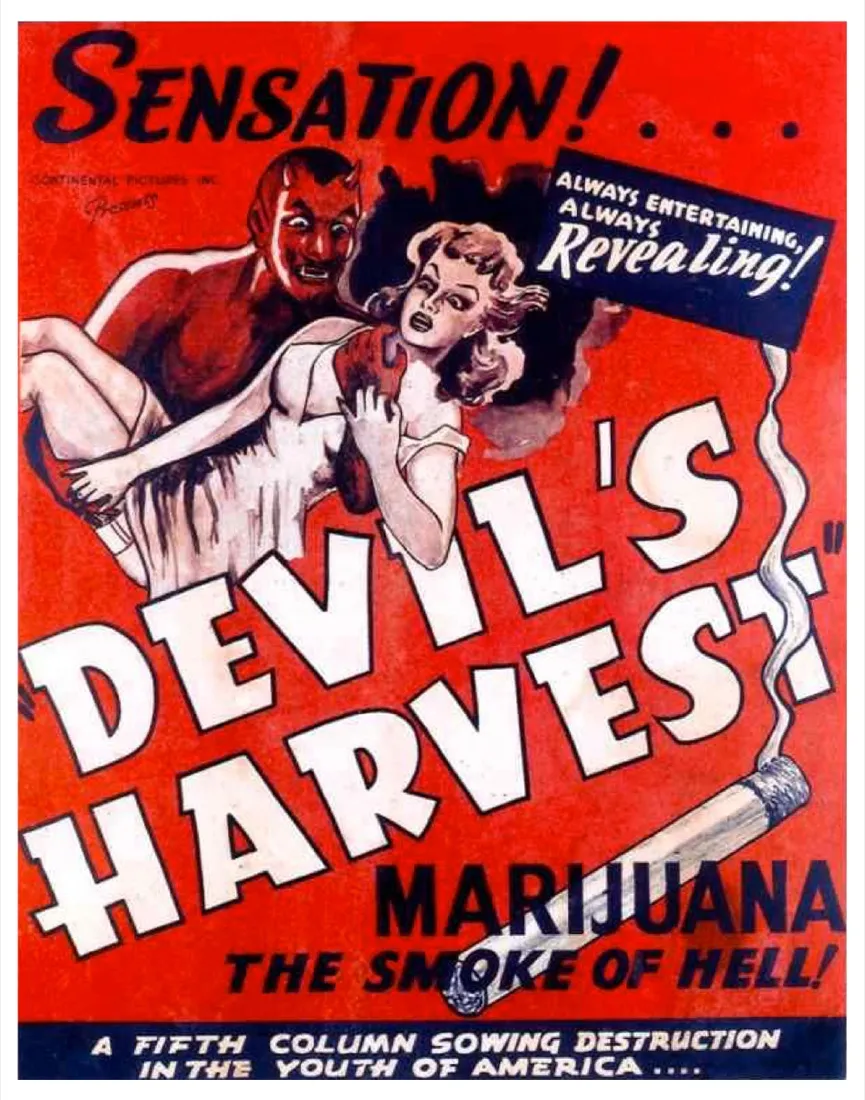
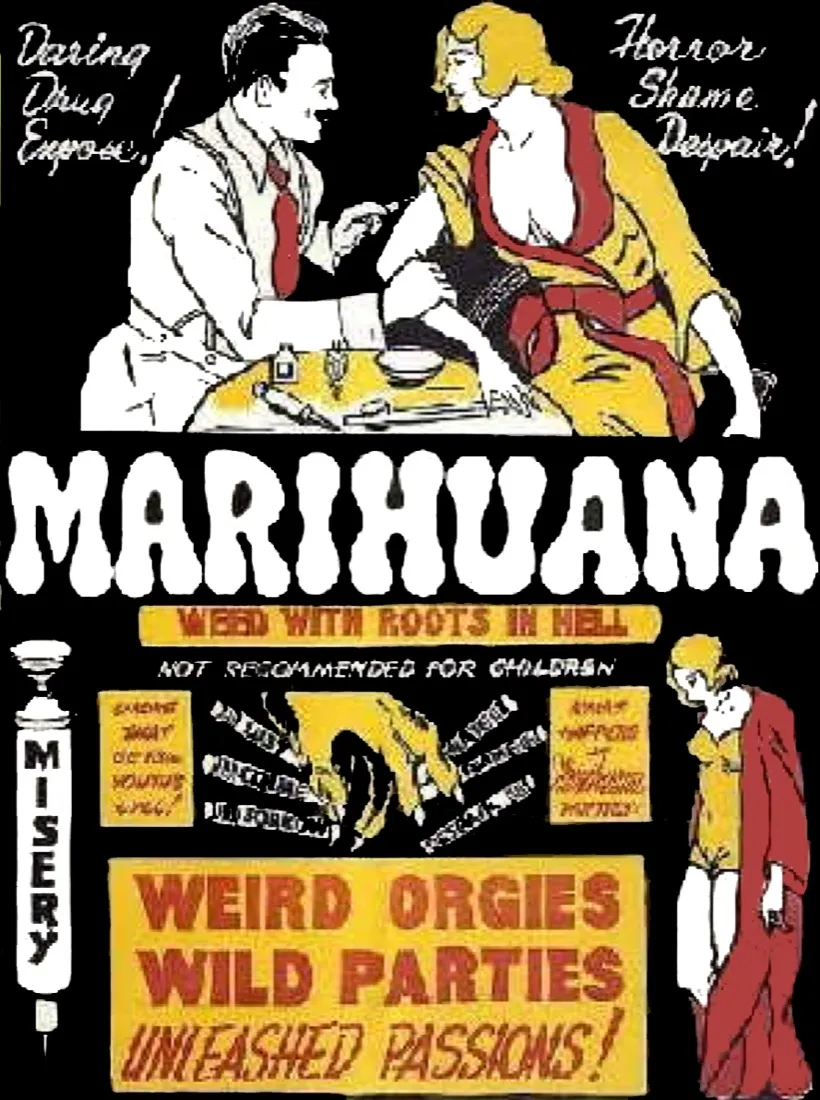
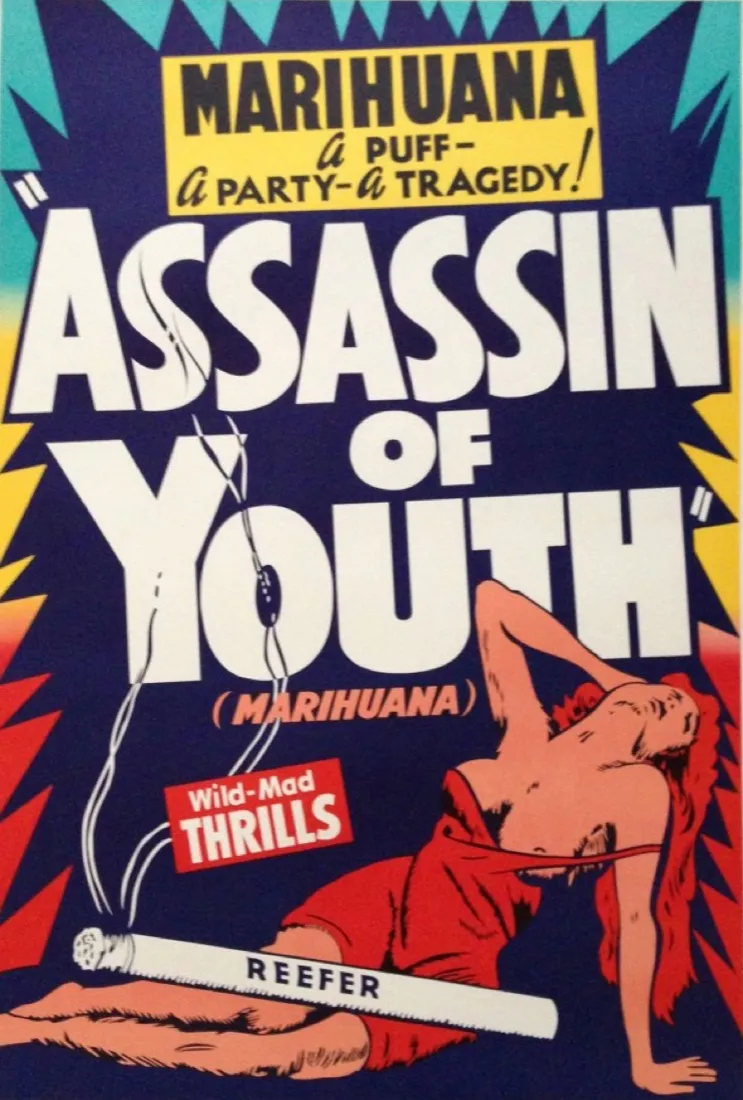
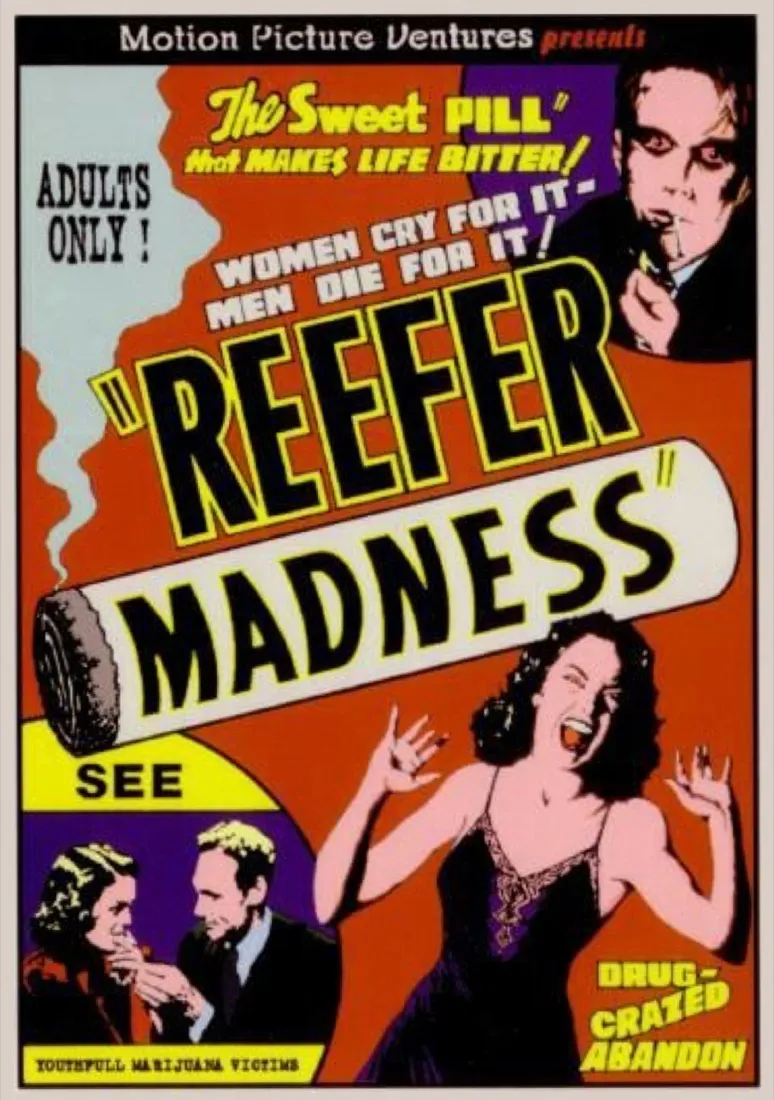
In July 1937, as Congress debated the Marihuana Tax Act, The American Magazine published “Marijuana, Assassin of Youth”, associated with the narcotics commissioner Harry Anslinger. Its stories made cannabis itself the killer, a cause of violence and of the ruin of young people.[8] A film of the same name followed the same year. An insult from a twelfth-century quarrel over the imamate had become part of the case for prohibition.
References
- Three Excerpts Quoting a Term al-ḥašīšiyyaJerzy Hauziński · In Rocznik Orientalistyczny · 2016 · vol. 69, no. 2, pp. 89–93
- TDV İslâm Ansiklopedisi — Mustafa Öz, Haşîşiyye (vol. 16, 1997)
- Wiktionary — assassin (etymology)
- Taming the Orient: France and the First Global Movement to Medicalize Cannabis, ca. 1800–1850David A. Guba Jr. · In Cannabis: Global Histories, edited by Lucas Richert, James H. Mills · MIT Press · 2021 · p. 4
- The Book of Ser Marco Polo, translated and edited by Henry Yule (3rd edition, revised by Henri Cordier), vol. 1Book 1, chapter 23, “Concerning the Old Man of the Mountain”
- Wikipedia — Order of Assassins (names; legends, quoting Farhad Daftary, The Isma'ilis, 1990, and The Assassin Legends, 1994)
- Dante Alighieri — Divina Commedia, Inferno, canto XIX (Wikisource)
- Marijuana, Assassin of Youth — transcription of the July 1937 article in The American Magazinearchived