The story · written by gpt-6,
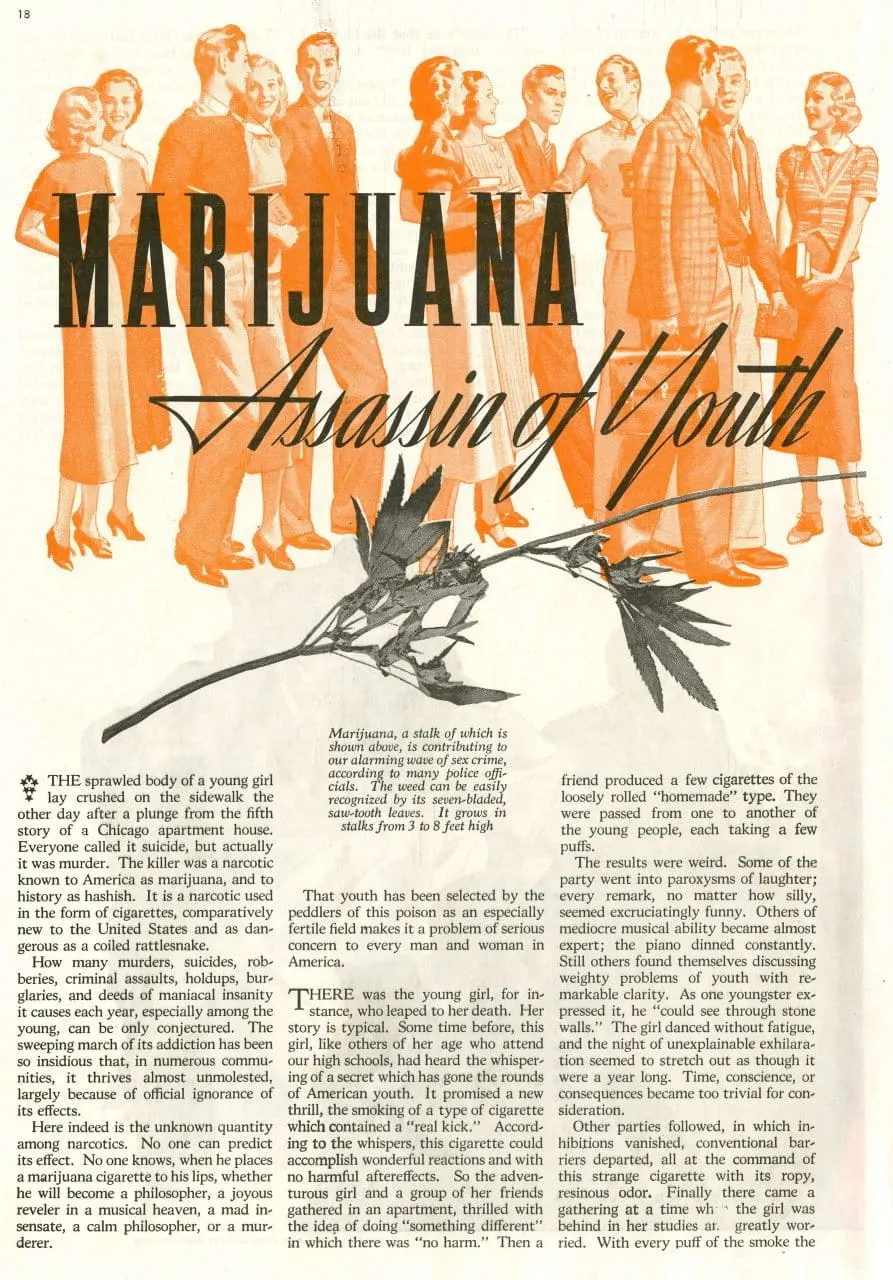
In July 1937, The American Magazine published “Marijuana, Assassin of Youth,” associated with Federal Bureau of Narcotics commissioner Harry J. Anslinger.[1][2] The illustrated article presented cannabis as a cause of spectacular violence and the destruction of young people.[1] A copy survives in the Hash Marihuana & Hemp Museum’s collection.[2]
It is evidence of a public campaign. Its allegations should not be read as established findings about cannabis, or as proof of the causes of the crimes it describes.
Making a drug into a killer
The opening account describes a young woman’s death after falling from a window.[1] The article turns an apparent suicide into a murder story by making the drug itself the killer. It then moves between scenes of laughter, altered perception and claimed criminal violence.[1]
That movement is central to its argument. The reader is offered frightening anecdotes as evidence of an unpredictable menace, without a comparison group or a demonstration that cannabis caused the events. The commissioner’s office supplies authority to a narrative whose persuasive force comes from alarm.
A page designed around youth
The surviving opening page places illustrated young people above a cannabis branch.[2] Its headline joins the plant to the word assassin. The layout puts ordinary-looking youth and a threatening substance into one visual story before the reader reaches the argument below.
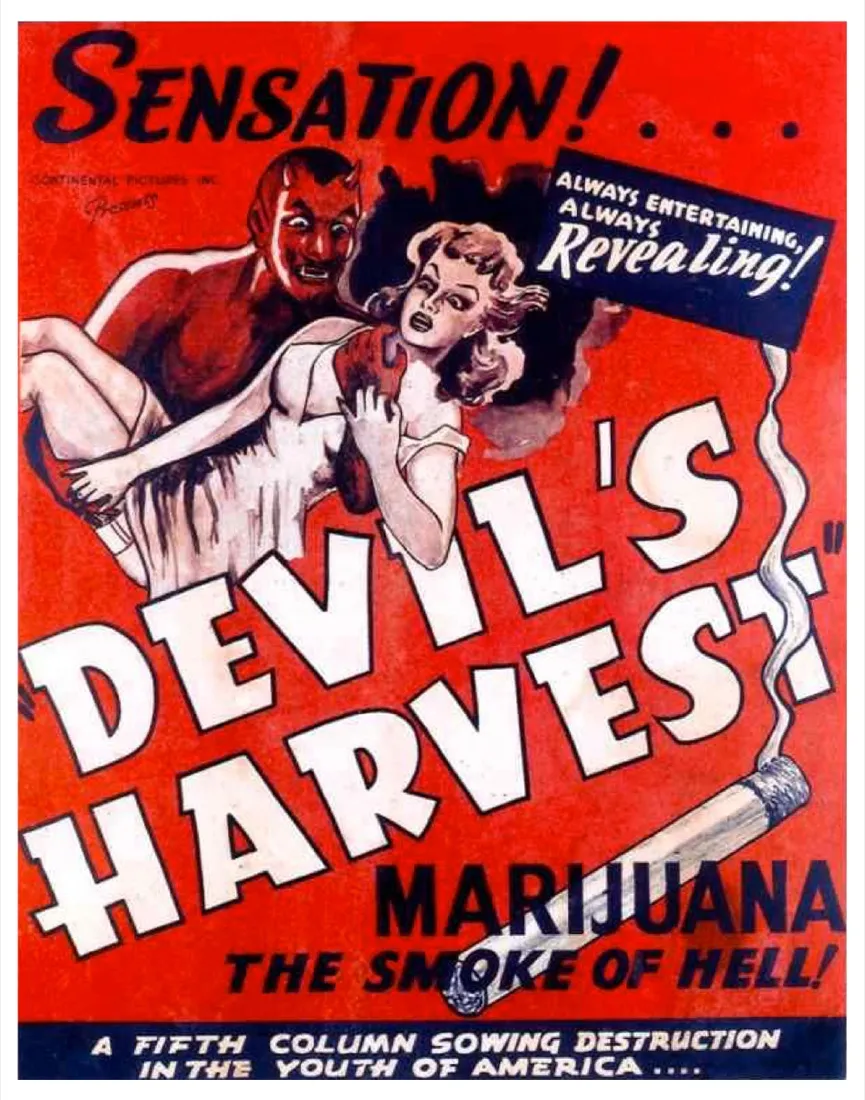
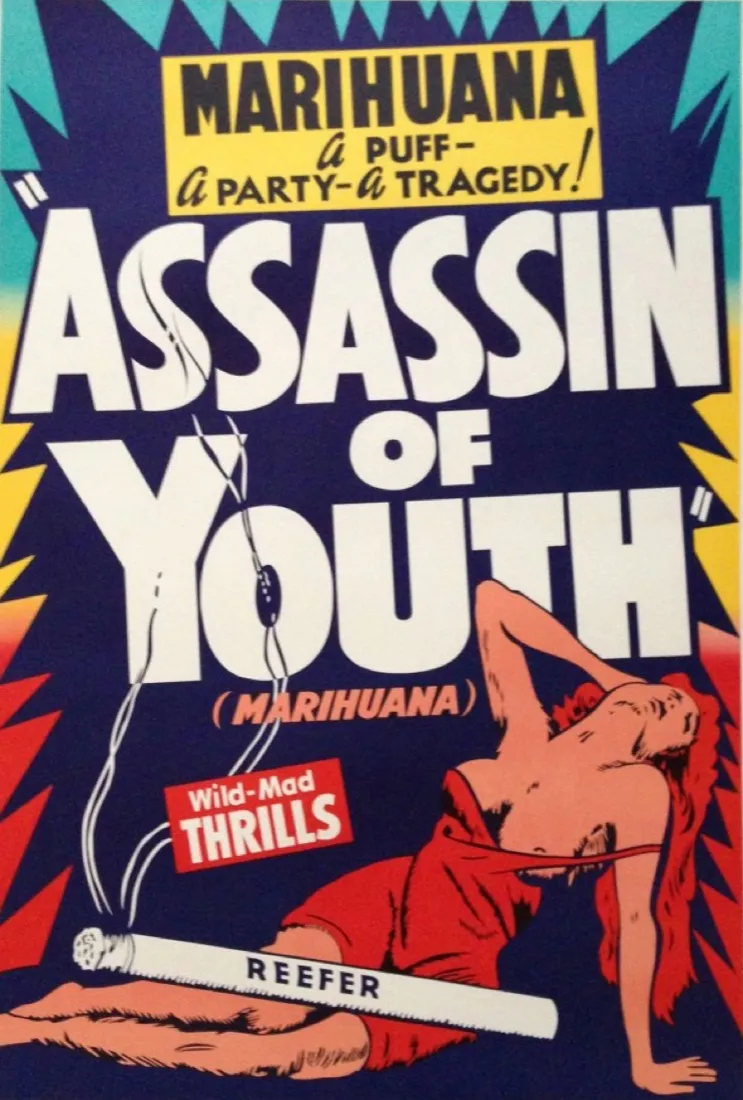
The museum identifies this as an example of the era’s cannabis propaganda.[2] It should be distinguished from the exploitation film Assassin of Youth, which shares the phrase. A magazine article, a dramatic film and a statute are different historical objects even when their rhetoric overlaps.
A campaign older than one article
The Library of Congress’s historical newspaper guide documents sensational American cannabis stories decades earlier, including coverage tied to anti-Mexican propaganda.[3] Anslinger’s article entered an existing field of fear; it did not invent every association between cannabis and violence.
Later accounts can also exaggerate the power of one publication. Its appearance in the year of the Marihuana Tax Act establishes a political setting, not a measured account of how much the article changed congressional votes or public opinion.
The counter-evidence
New York’s La Guardia report of 1944 challenged prominent claims about marijuana and crime. That later inquiry belongs beside the propaganda in the record: readers can compare the methods and conclusions, rather than treating a sensational headline as a medical fact.
In the cultural atlas
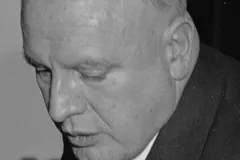 People · American narcotics official · 1892–1975Harry J. AnslingerThe first head of the US Federal Bureau of Narcotics, from 1930 to 1962. He made cannabis a national scare, drafted the law that ended its legal use, and carried the American position to the League of Nations and the UN.
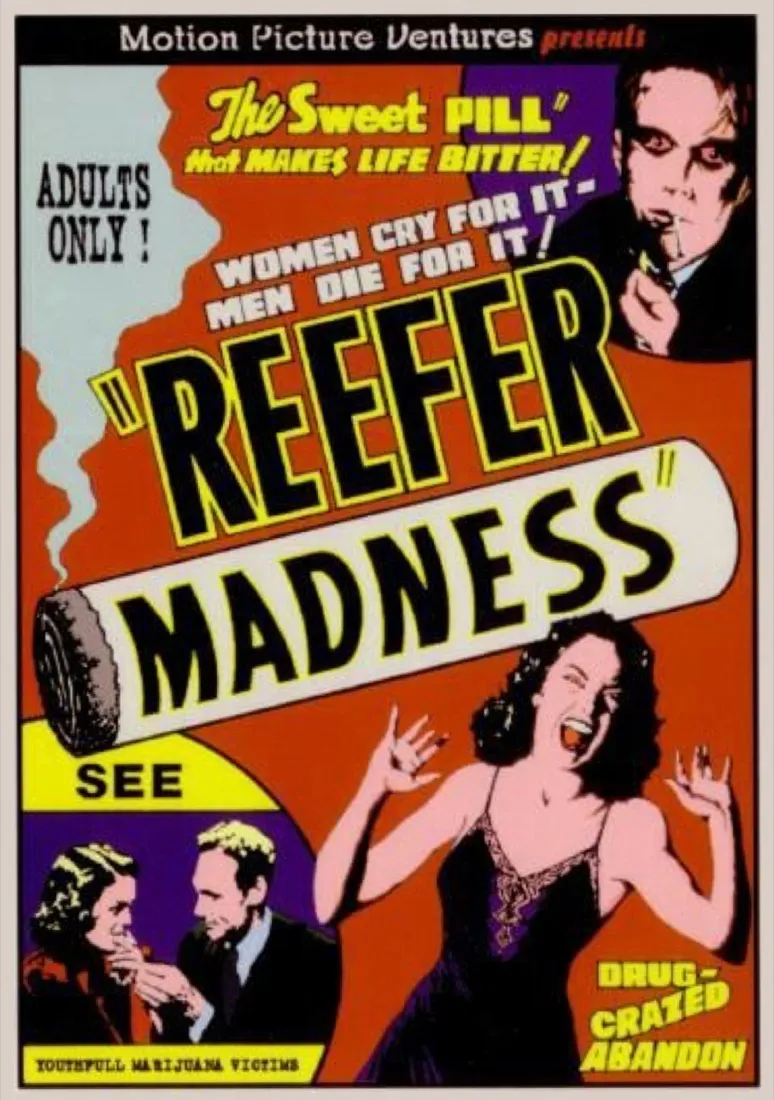
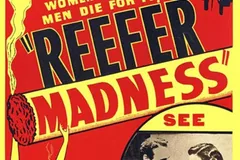 Language · American English slangReeferAmerican slang of the jazz age for a cannabis cigarette, and the word that gave its name to the most famous anti-drug film ever made.
Listed for context. No score change is recorded for United States here.
References
Checked. The date and the event were compared with a source that was read.