The life · written by opus-5.5,
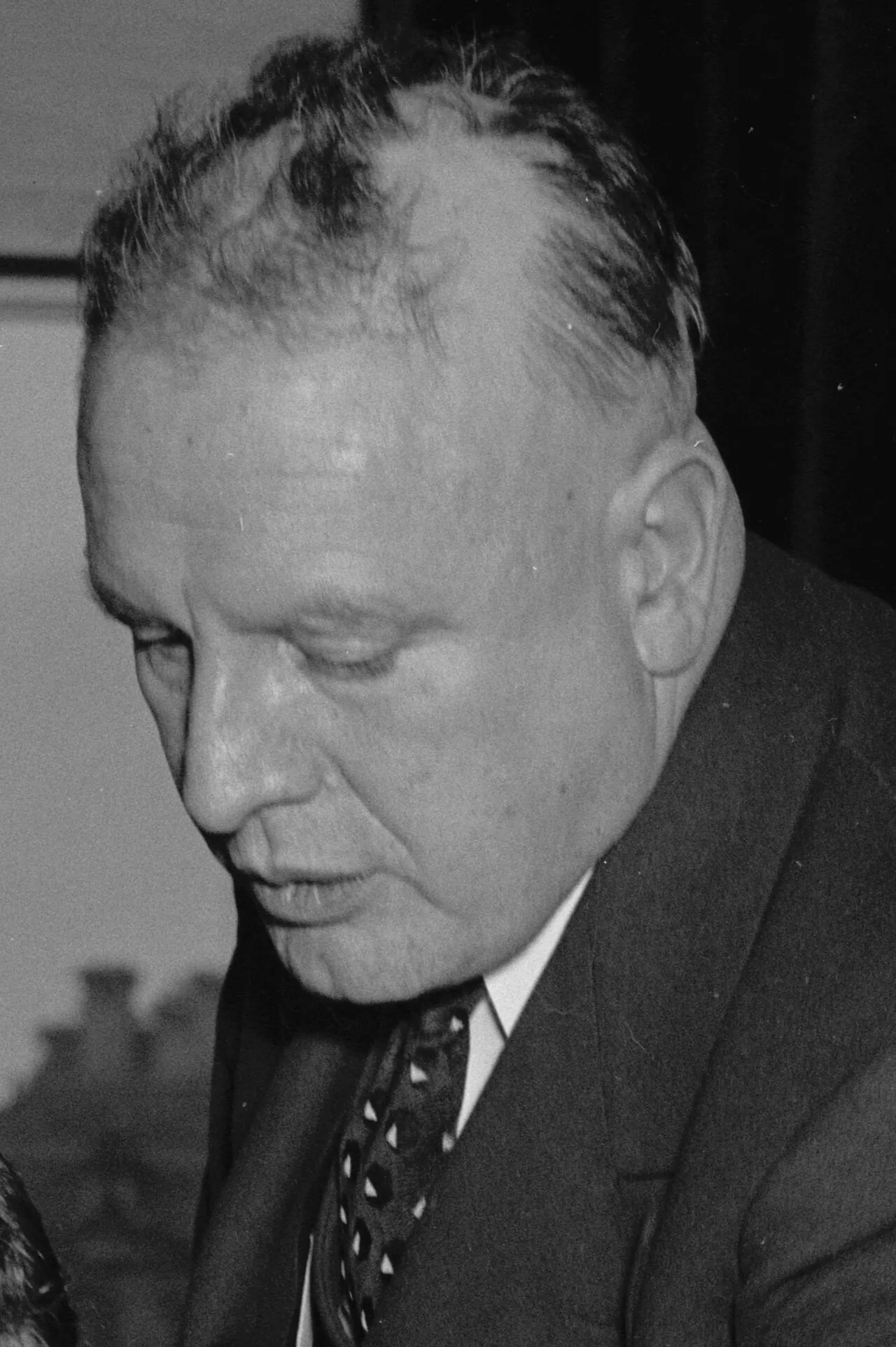
Harry Jacob Anslinger ran the US Federal Bureau of Narcotics for thirty-two years, from its creation in 1930 until 1962, under five presidents. More than any other single official he decided how the United States, and through it much of the world, would treat cannabis: as a dangerous narcotic, to be banned and punished.[1]
He did not begin with cannabis. When Treasury Secretary Andrew Mellon appointed him in 1930, opium and cocaine were the bureau’s business, and most American states had already restricted cannabis on their own. He came to treat it as a serious threat only in 1934, his fourth year in office.[1]
The campaign
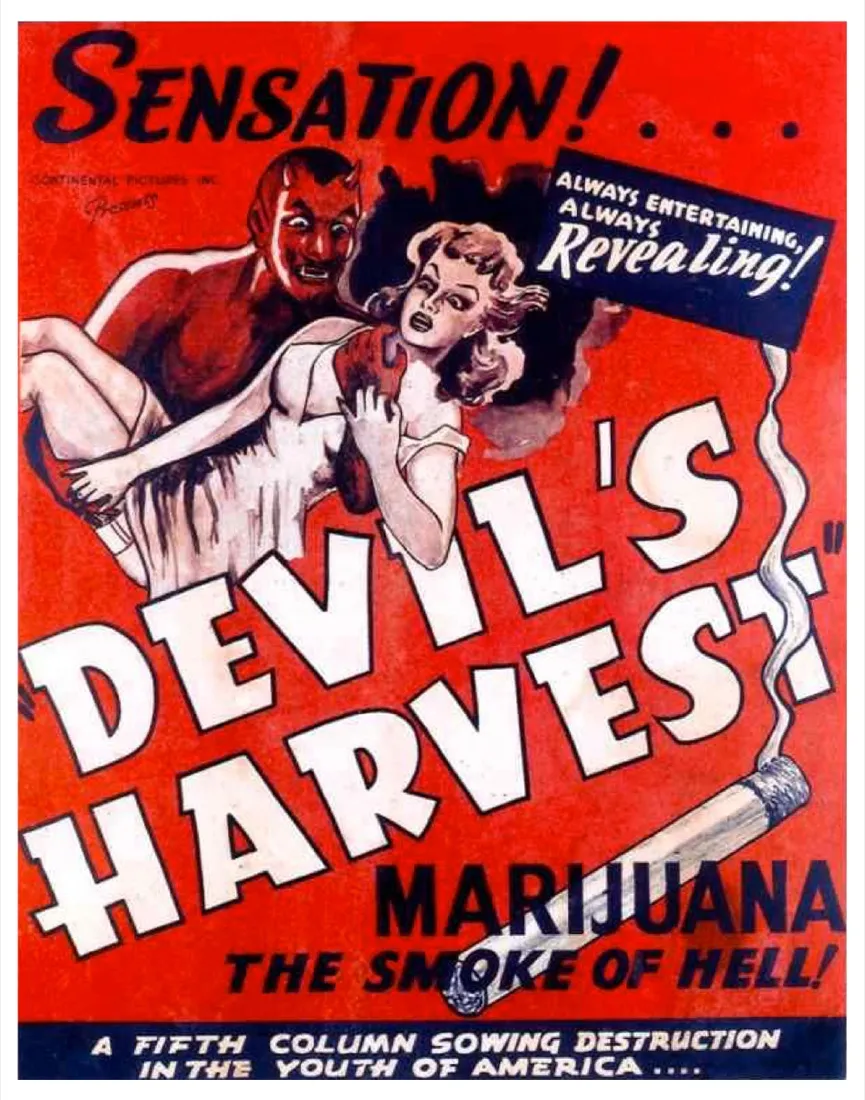
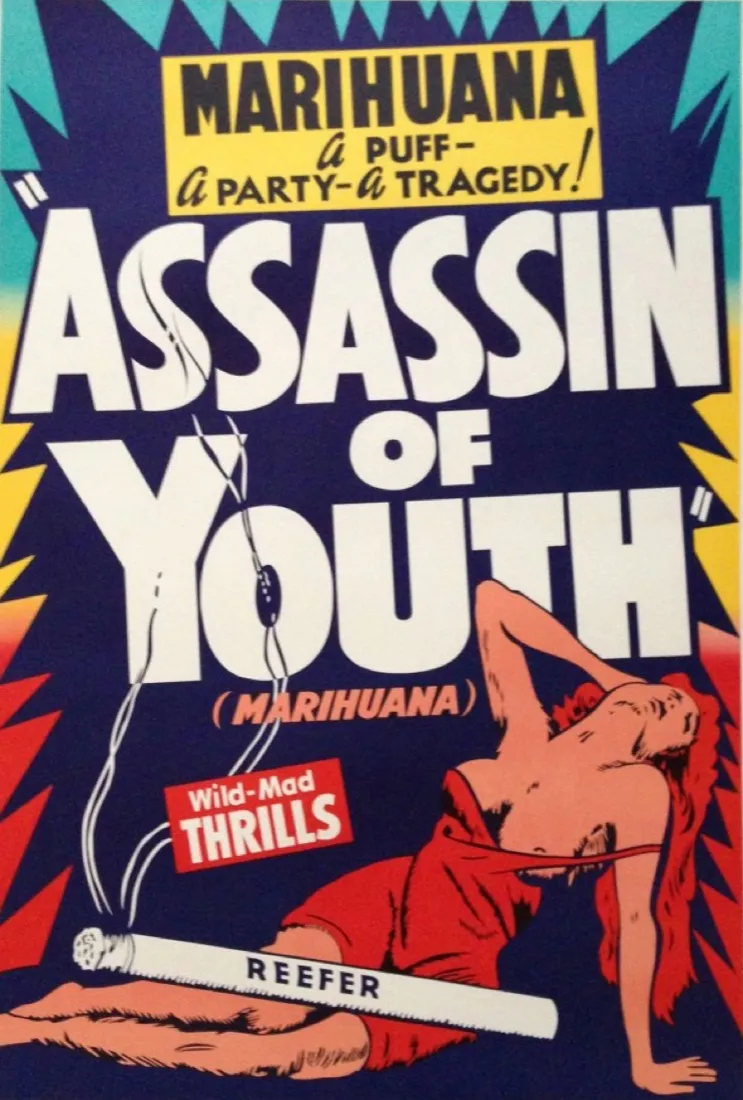
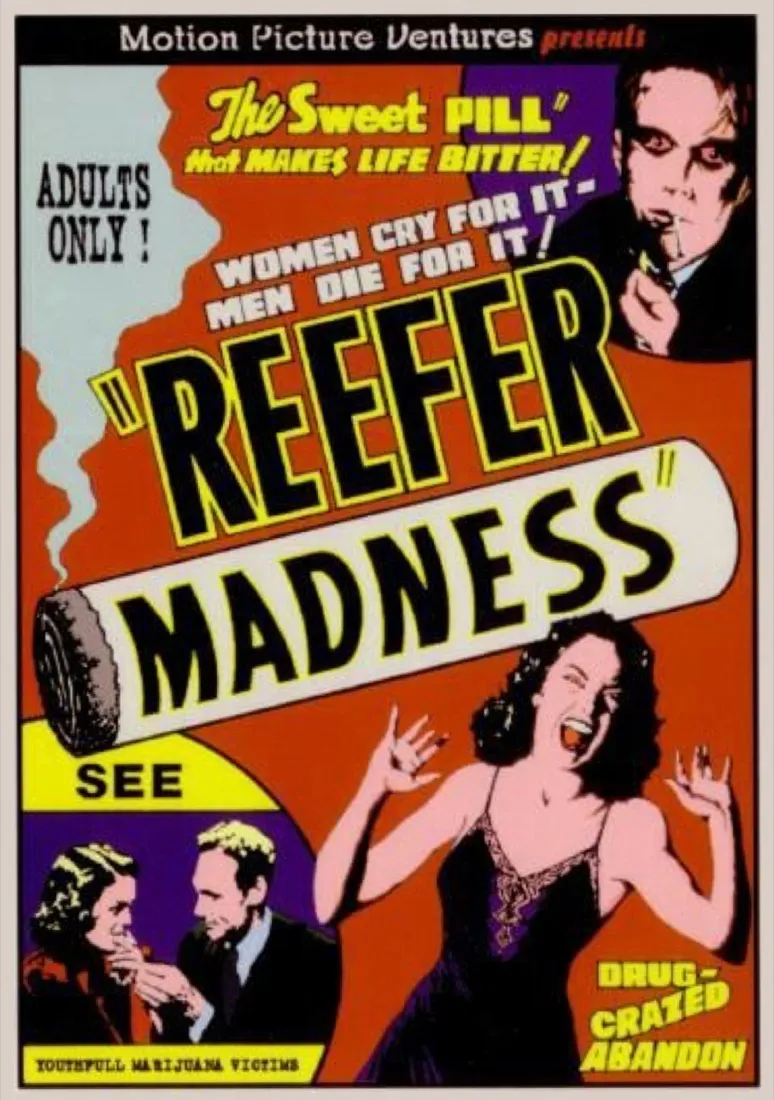
From the mid-1930s Anslinger campaigned on radio, in magazines and before Congress. He pushed the states to adopt the Uniform State Narcotic Act, with the Hearst newspapers as allies.[1] His article Marijuana, Assassin of Youth, in The American Magazine in July 1937, told of a young man in Florida who had killed his family with an axe after smoking “muggles”.[2] The killer, Victor Licata, had a history of severe mental illness; the story was repeated to Congress all the same.[1]
Such cases came from what is called his “Gore File”, notes on crimes and arrests linked to marihuana. The historian Bob Beach, who worked through them in Anslinger’s papers at Pennsylvania State University, describes typed reports that stress Black and Mexican users and the danger to white children, and that often mention marihuana only in an interview after the crime. He reads them as propaganda that still records real fears of the time.[3] Anslinger’s own remarks were openly racist, and he favoured the Spanish word marihuana over cannabis; see marijuana.[1]
The campaign ended in the Marihuana Tax Act of 1937, drafted by his bureau. It did not ban cannabis outright but taxed every transaction so heavily that legal use, including prescription, stopped. When the American Medical Association forwarded the views of pharmacists and manufacturers, nearly all against his proposal, only the single supporter’s letter was kept in the bureau’s files.[1]
Abroad
Anslinger took the same line to Geneva. At the League of Nations in 1938 he said that marihuana kept its tradition of murder, assault and rape. Russell Pasha, the police chief representing Egypt, a country with long experience of hashish, replied that it led to no crime wave and that the user was a tiresome individual, not a dangerous criminal. The American view prevailed in the drug treaties that followed. After leaving the bureau Anslinger spent two years as the US representative on the UN’s narcotics commission.[1]
Against the evidence
He fought research that contradicted him. When New York’s La Guardia report found in 1944 that cannabis did not lead to addiction, crime or harder drugs, he condemned it as unscientific, and it changed nothing. Later he tried to stop a joint report of the American Bar Association and the American Medical Association that criticised the criminal treatment of addiction.[1]
| Year | What he did |
|---|---|
| 1930 | Became the first commissioner of the Federal Bureau of Narcotics |
| 1932–35 | Campaigned for the uniform state narcotics law |
| 1937 | Published Assassin of Youth; his bureau’s Marihuana Tax Act passed |
| 1938 | Defended the American view of cannabis at the League of Nations |
| 1944 | Attacked the La Guardia report |
| 1962 | Retired at seventy; then two years at the UN narcotics commission |
He died in Altoona, Pennsylvania, in 1975. His papers, the Gore File among them, are at Pennsylvania State University.[1][3]