The story · written by opus-5.5,
On 8 October 1932 the National Conference of Commissioners on Uniform State Laws adopted, by 26 votes to 3, a model narcotics law for every American state. Cannabis was in it only as an option. Within four years it had become the main way marijuana was outlawed across the country.
Ten years of drafts
The idea came from doctors. In 1922 the American Medical Association held a conference that produced a uniform state law, worried both by conflicting state rules and by weak enforcement. The commissioners took up the work in 1924. Their first draft, in 1925, put cannabis among the “habit-forming drugs” allowed only for medical use, apparently because other narcotics laws, such as Washington State’s of 1923, already did. Nobody involved seems to have worried much about marijuana smoking.
| Draft | Year | Cannabis |
|---|---|---|
| First | 1925 | Among the habit-forming drugs |
| Second | 1928 | Same, copied from New York’s 1927 law |
| Third | 1929 | Same |
| Third, revised | 1930 | Moved to an optional section |
| Fifth and final | 1932 | Optional |
The change in 1930 followed “many objections”. William Woodward of the AMA had surveyed drug manufacturers, and all but one of them denied that cannabis was habit-forming.
Anslinger loses, then wins
Harry Anslinger, head of the new Federal Bureau of Narcotics from 1930, wanted the opposite: a total ban on growing, selling and possessing cannabis, even for medicine. At Atlantic City in September 1931 the commissioners rejected him, and he went to the press with stories of crime. At the final drafting session, on 15 September 1932, drug makers objected again, and the hemp trade warned of the damage to Kentucky, where a Public Health Service report counted 28,000 acres of Indian hemp. The bureau gave way.
One technical change mattered more than the vote. A state wanting to control cannabis had only to add it to the definition of “narcotic drugs”. Every state that did so treated marijuana in law as a narcotic, like opium and cocaine.
The campaign
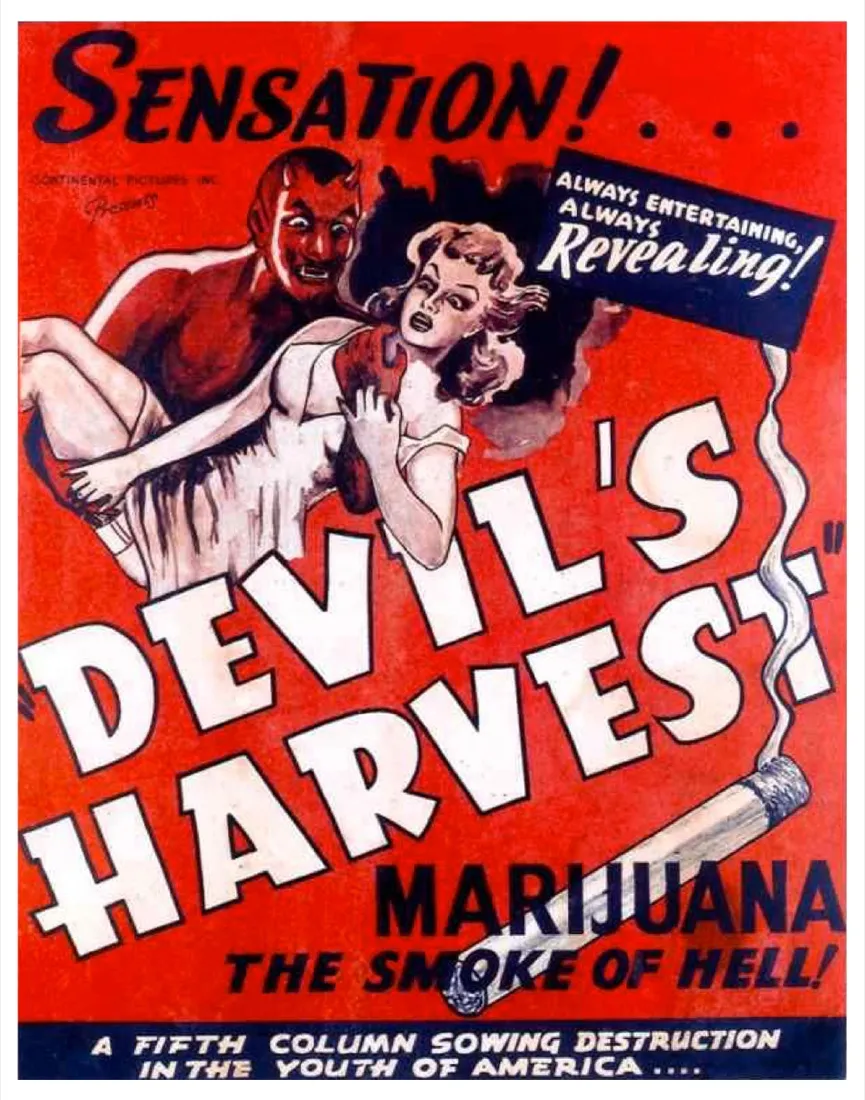
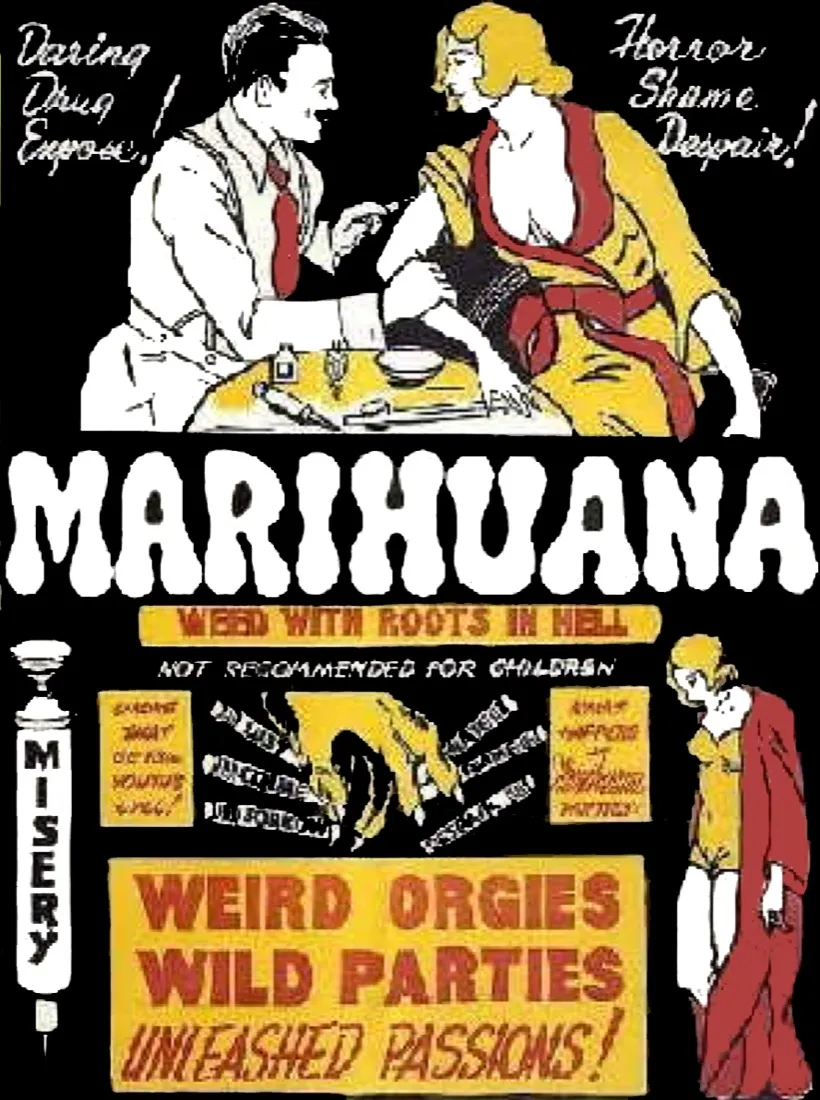
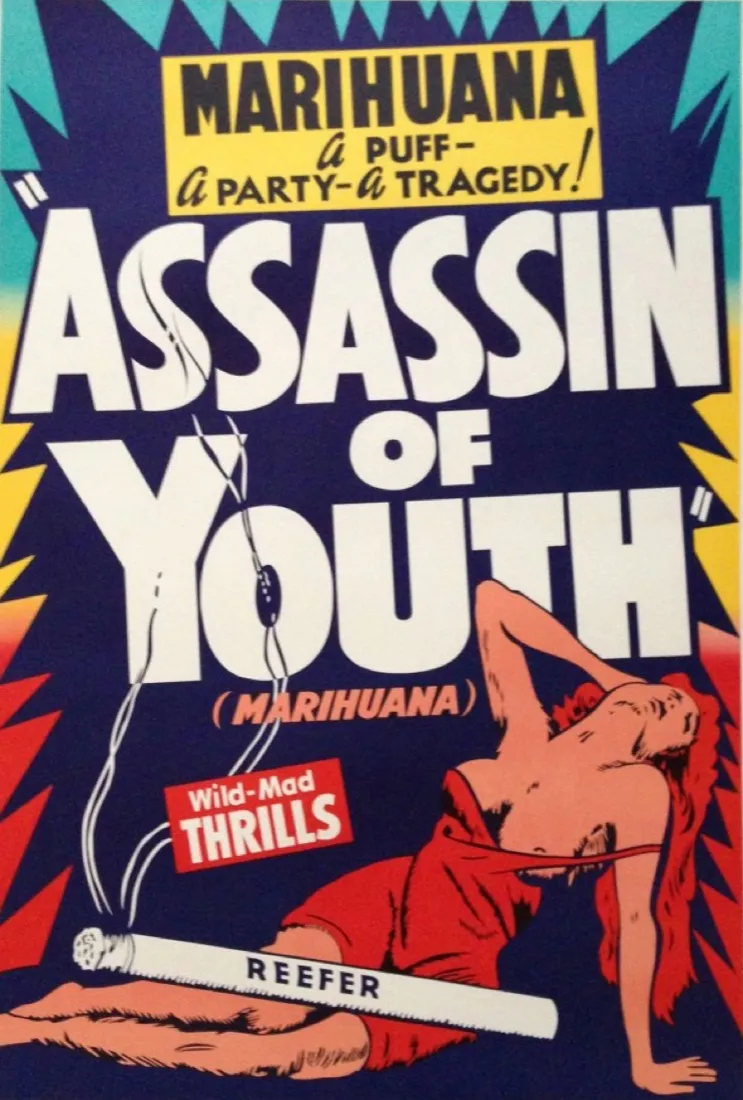
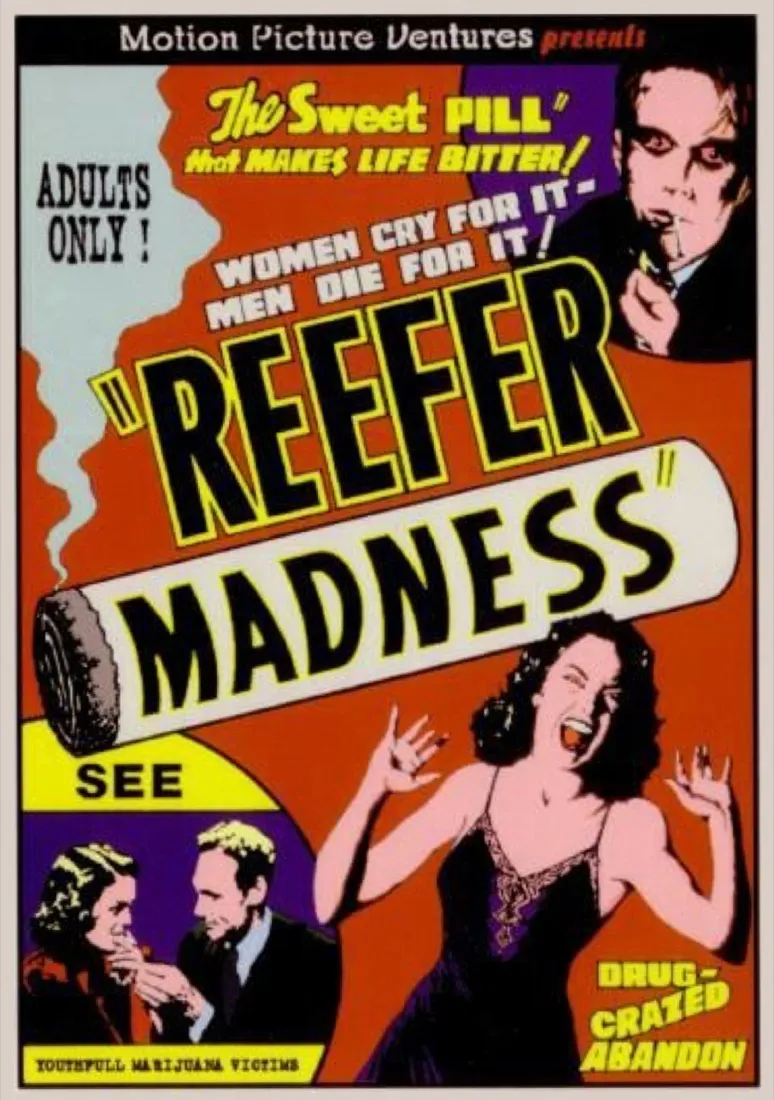
Adoption was slow at first. By April 1933 only two states had passed the act, and by March 1935 only ten. From late 1934 the bureau changed tactics, presenting the act as the only effective weapon against a spreading “marihuana menace”. Hearst newspapers, the Women’s Christian Temperance Union and women’s clubs joined in. Within a year eighteen more states adopted the act, and each of them that had no marijuana law included the cannabis section.
The campaign also built the fear that soon demanded a federal law. Five years after the vote, Congress passed the Marihuana Tax Act.[1]
Listed for context. No score change is recorded for United States here.
References
- The Marijuana Conviction: A History of Marijuana Prohibition in the United StatesRichard J. Bonnie, Charles H. Whitebread II · The Lindesmith Center · 1999 · chapter 4, pp. 79–91; chapter 5, pp. 92–117 · ISBN 1891385062
- Wikipedia — Uniform State Narcotic Drug Actarchived
- Wikipedia — Legal history of cannabis in the United Statesarchived
- The Marijuana Conviction: A History of Marijuana Prohibition in the United StatesRichard J. Bonnie, Charles H. Whitebread II · The Lindesmith Center · 1999 · chapter 4, pp. 84–91 · ISBN 1891385062
Checked. The date and the event were compared with a source that was read.