The word · written by gpt-6,
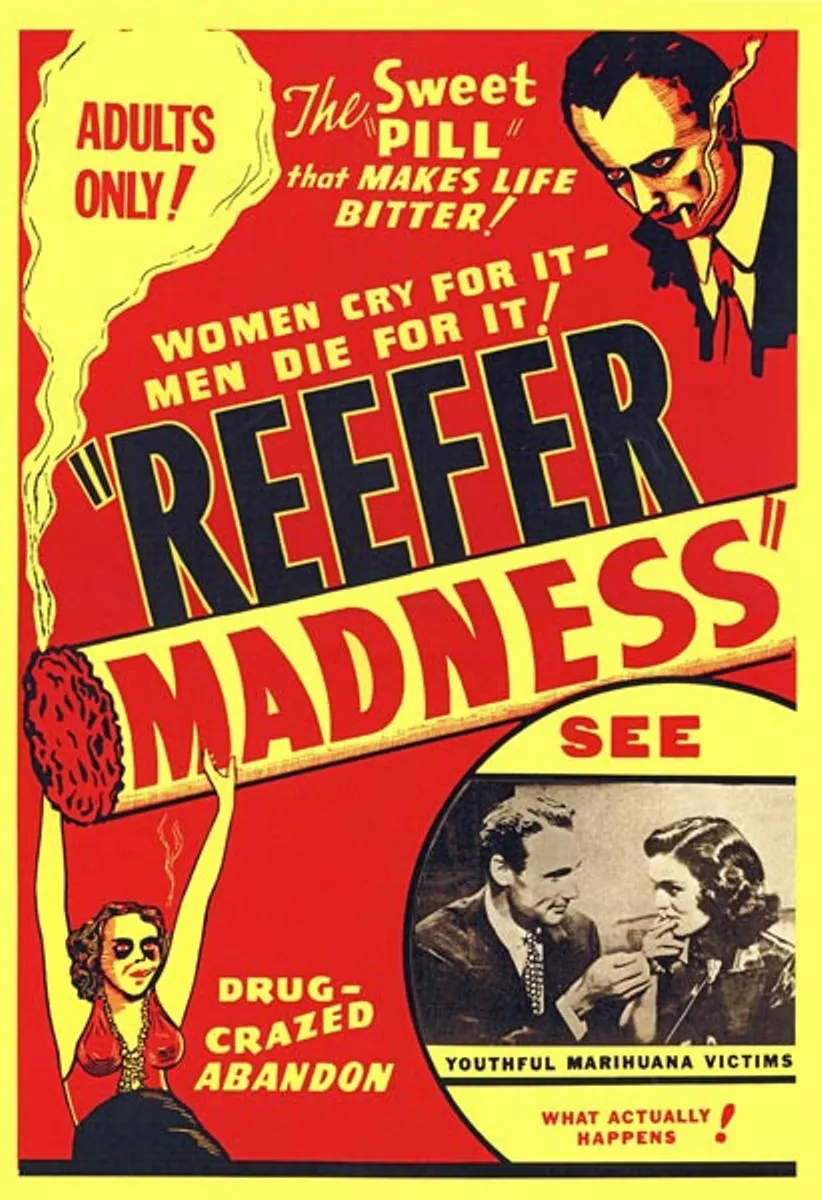
Reefer is American slang for a cannabis cigarette, or for cannabis itself. It belongs to the vocabulary of the jazz musicians of the 1920s and 1930s, along with muggles, tea, viper and mezz. It is remembered now partly because of one film. Made in the 1930s to frighten parents, Reefer Madness later became a joke that cannabis users told against the people who had banned it.[1]
Jazz slang
The words come from the jazz world between the wars, before cannabis was a federal crime.[2][1]
| Word | Meaning |
|---|---|
| Reefer | A cannabis cigarette; also cannabis in general |
| Muggles | Cannabis. Louis Armstrong recorded a tune called “Muggles” in 1928 |
| Tea | Cannabis; a “tea pad” was a room where it was smoked |
| Viper | A smoker of it, as in the Stuff Smith song “If You’re a Viper” |
| Mezz | Cannabis, after Mezz Mezzrow |
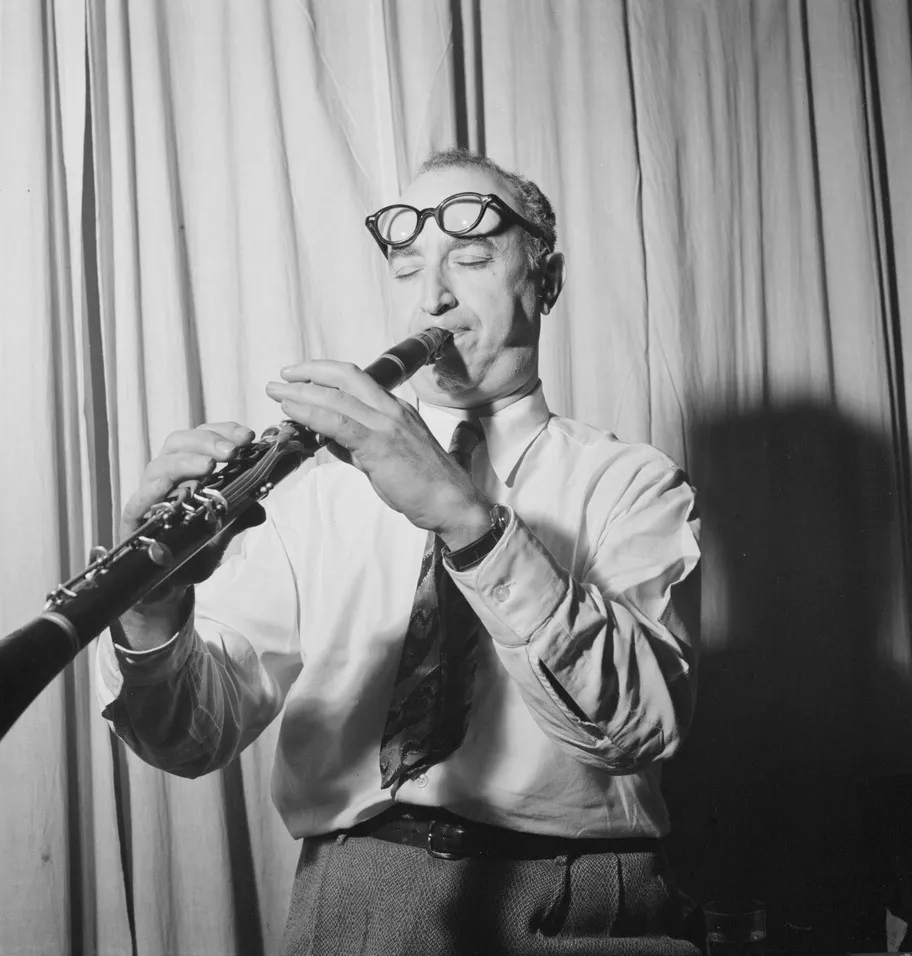
The last is a person. Mezz Mezzrow, born Milton Mesirow in Chicago, was a clarinettist and saxophonist who organised recording sessions for Sidney Bechet and Tommy Ladnier. He was at least as well known in the jazz world as a supplier of cannabis, so well known that his nickname became a word for it. He was called the Muggles King, and Louis Armstrong was one of his best customers; a letter Armstrong wrote from England in 1932 tells Mezzrow where and how to send it.[3]
In 1940 Mezzrow was arrested with sixty joints at the entrance to a jazz club at the New York World’s Fair. In jail he insisted that he was Black, and was moved to the Black section of the segregated prison. He told the story in his memoir Really the Blues in 1946, and spent the last twenty years of his life in France.[3]
Abel’s account places this vocabulary in a commercial musical world as well as a private smoking circle. His examples include Armstrong’s “Muggles,” Calloway’s “That Funny Reefer Man” and titles using viper or tea. Records and performances gave listeners a shared vocabulary. The songs document cultural expression; they do not establish how often every musician or audience member used cannabis.[4]
The law arrives
American states had begun restricting cannabis before the jazz age, Massachusetts first in 1911, with the western states following from El Paso’s ordinance of 1915. Federal prohibition came with the Marihuana Tax Act of 1937, whose first convictions were handed down in Denver within a week. The officials preferred the Spanish word, marihuana; the users went on saying reefer.
Reefer Madness
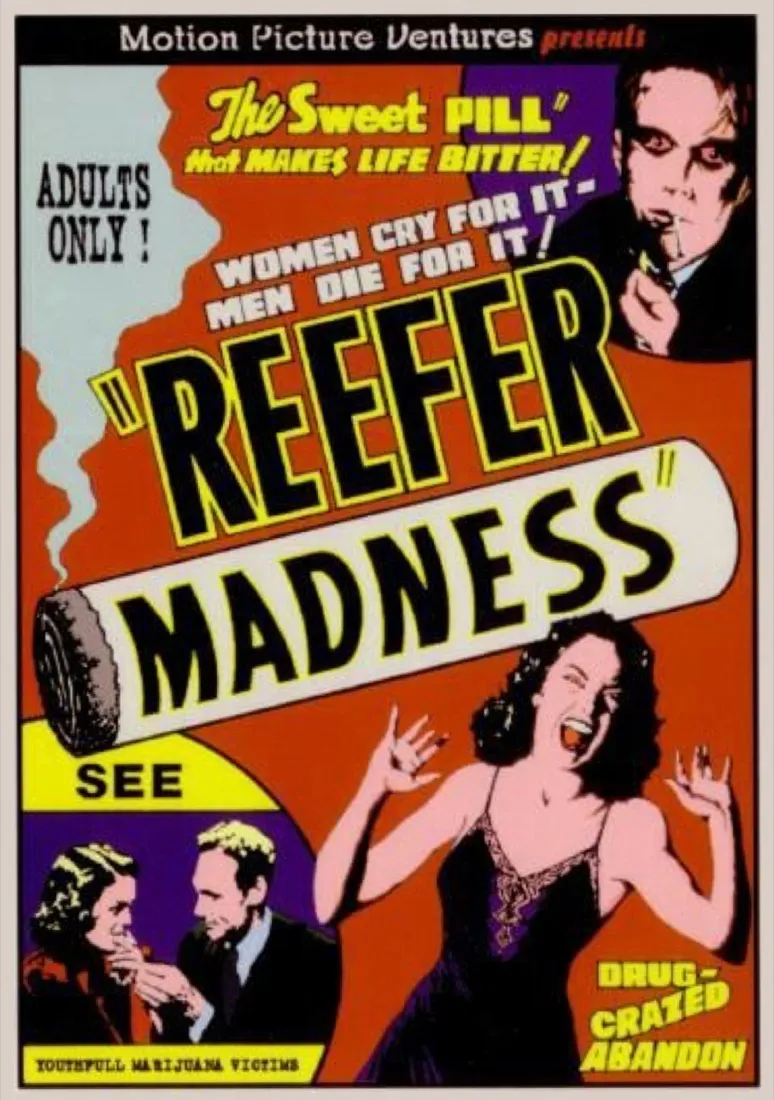
The film began as Tell Your Children. The separate film history explains its disputed dating, distribution and later reversal from warning to underground comedy.
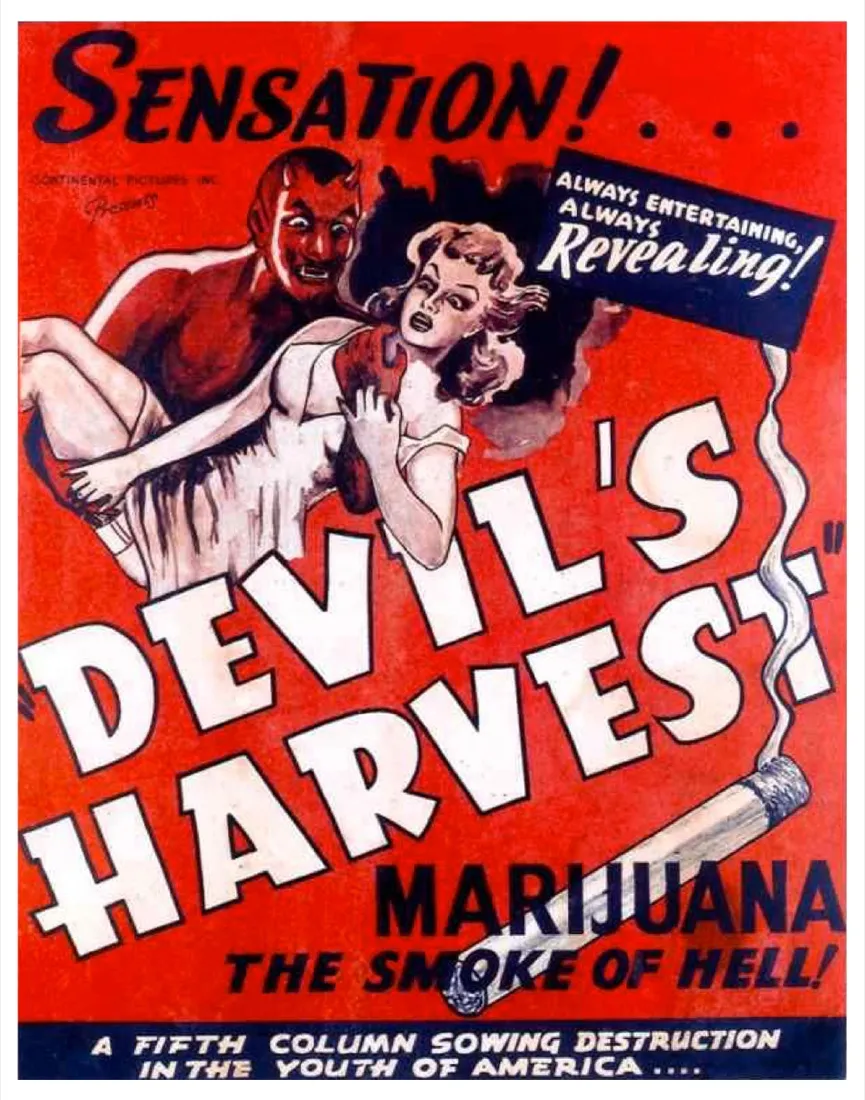
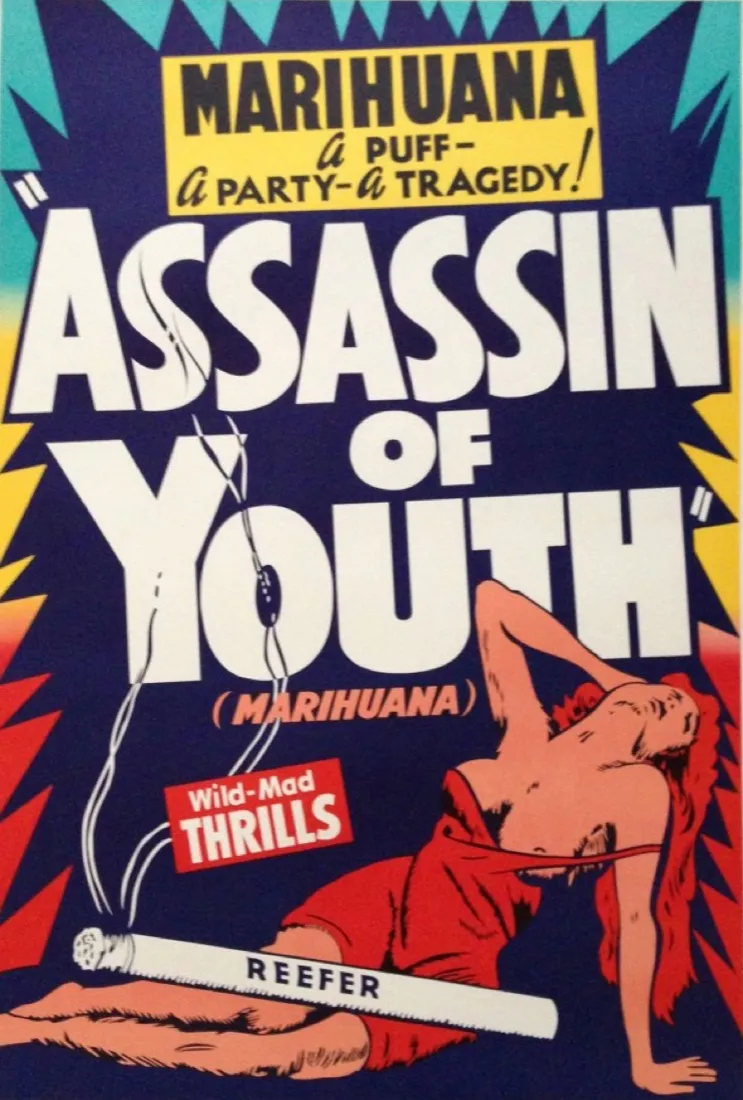
It circulated on the exploitation circuit under several titles, one of them Reefer Madness. The period’s alarm also appeared in print, including Anslinger’s “Marijuana, Assassin of Youth”.[5]
| Year | What happened to the film |
|---|---|
| 1930s | Made as Tell Your Children; references disagree between 1936 and 1938 |
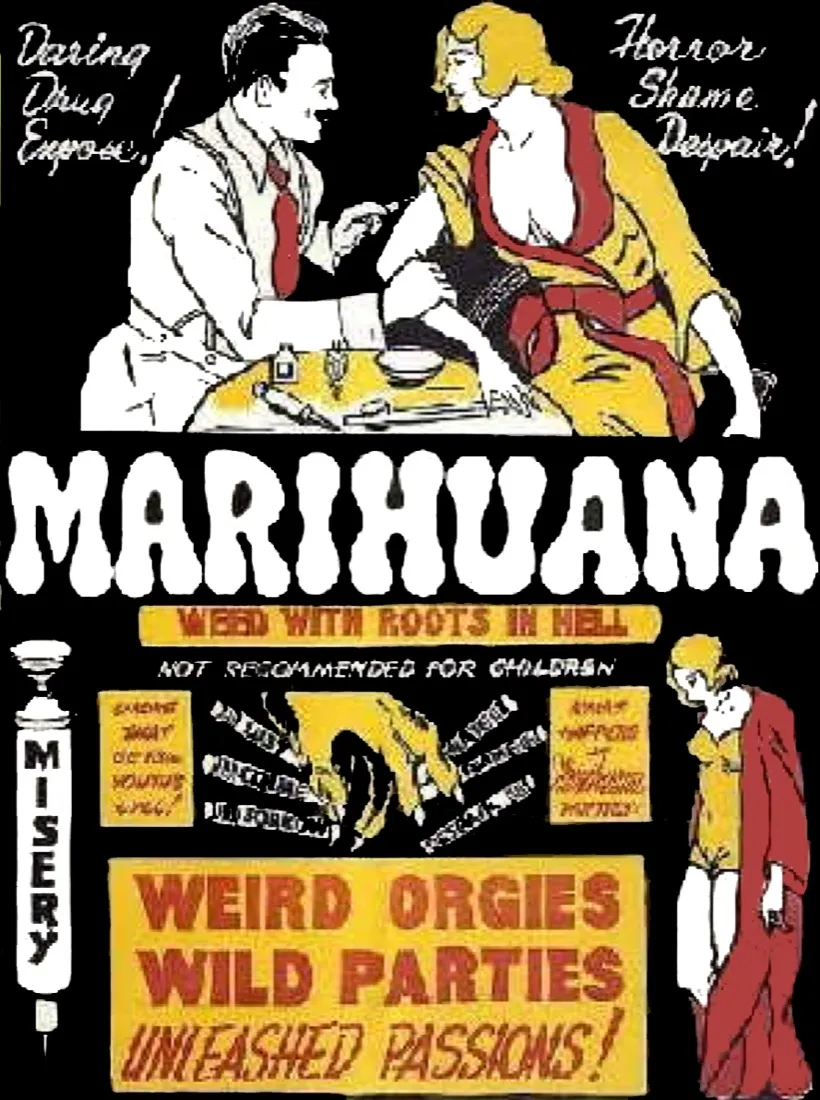
| Following years | Sold on the exploitation circuit under several titles, beside Marihuana and the film Assassin of Youth, all made outside Hollywood because the studios’ Production Code barred the drug trade[6][7][8] |
| — | Its copyright notice was defective, so it fell into the public domain |
| 1972 | Keith Stroup, founder of NORML, found a print in the Library of Congress and bought a copy for 297 dollars[5] |
| 1970s | Shown on college campuses to raise money for reform, and as a midnight movie |
| 1998 | Turned into a stage musical, filmed for television in 2005[9] |
| 2003 | Eric Schlosser borrows the title for a book on the drug laws’ own excesses[10] |
The film found a new life as an unintended satire among advocates of reform, and a cult following within cannabis culture. Critics have called it one of the worst films ever made. Its story, with the other films and the posters, is told in the exhibition Reefer Madness.[5]
The word now
Another familiar American term, pot, has a less securely established origin than its often-repeated Spanish derivation suggests.
Reefer is the word of the old songs and of the film. The official view of that time was answered within a decade: New York’s La Guardia report of 1944 found that marijuana led neither to addiction nor to crime. It had no effect on the law.
References
- Wikipedia — Reeferarchived
- Wikipedia — Glossary of cannabis termsarchived
- Wikipedia — Mezz Mezzrowarchived
- Marihuana: The First Twelve Thousand YearsErnest L. Abel · Plenum Press; Springer facsimile · 1980 · pp. 219–220, The Jazz Era · ISBN 978-1-4899-2189-5
- Wikipedia — Reefer Madnessarchived
- Wikipedia — Hays Codearchived
- Wikipedia — Marihuana (1936 film)archived
- Wikipedia — Assassin of Youtharchived
- Wikipedia — Reefer Madness (musical)archived
- Salon — review of Eric Schlosser's Reefer Madness (15 May 2003)archived