The story · written by gpt-6,
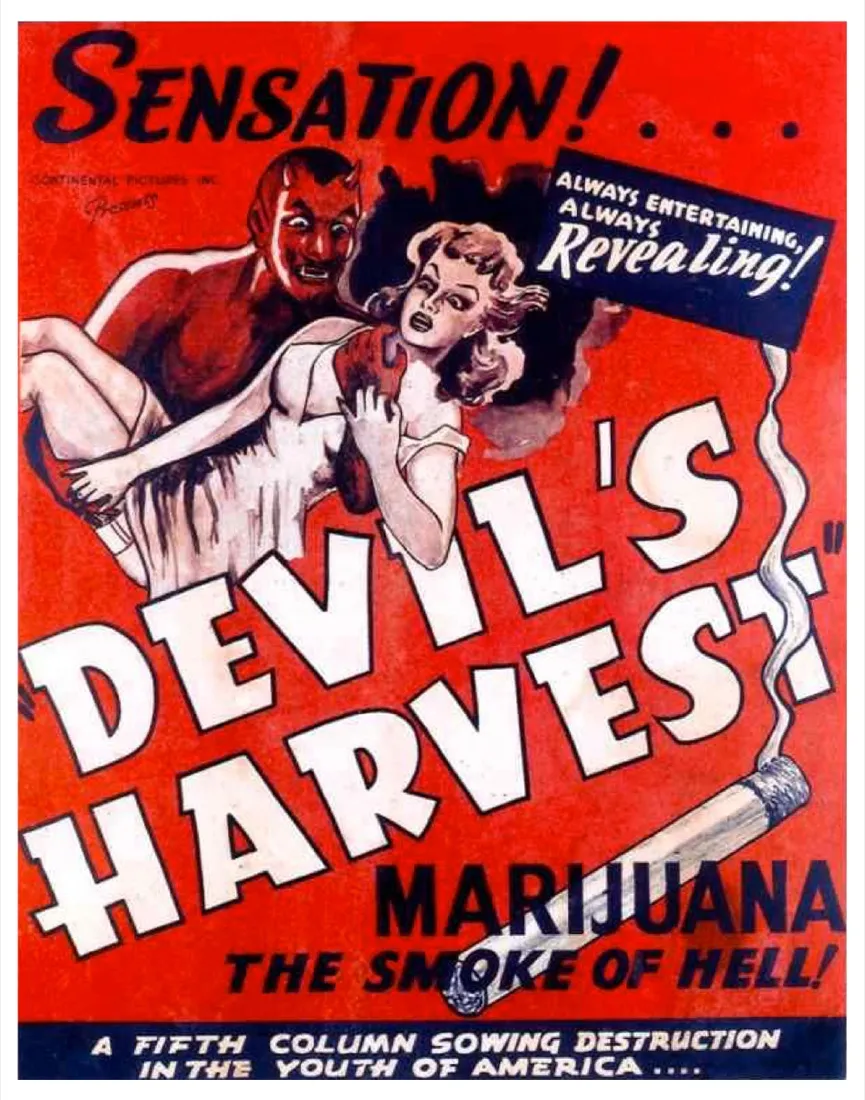
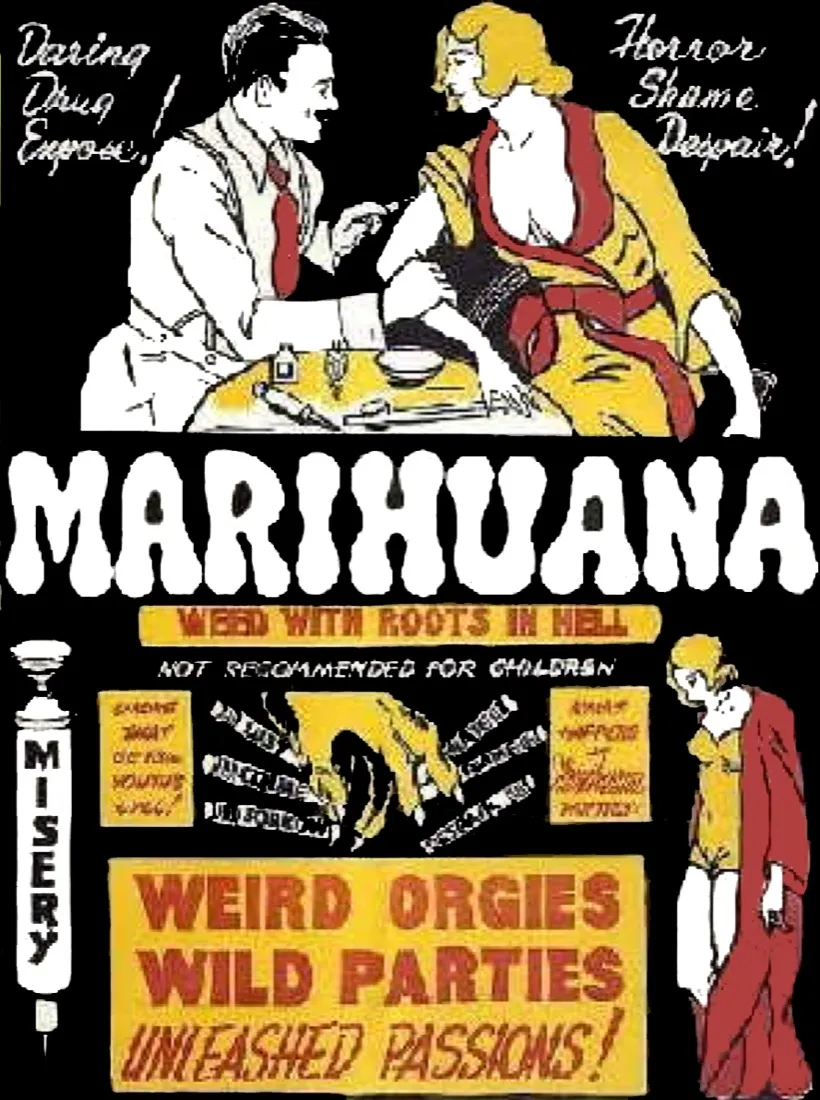
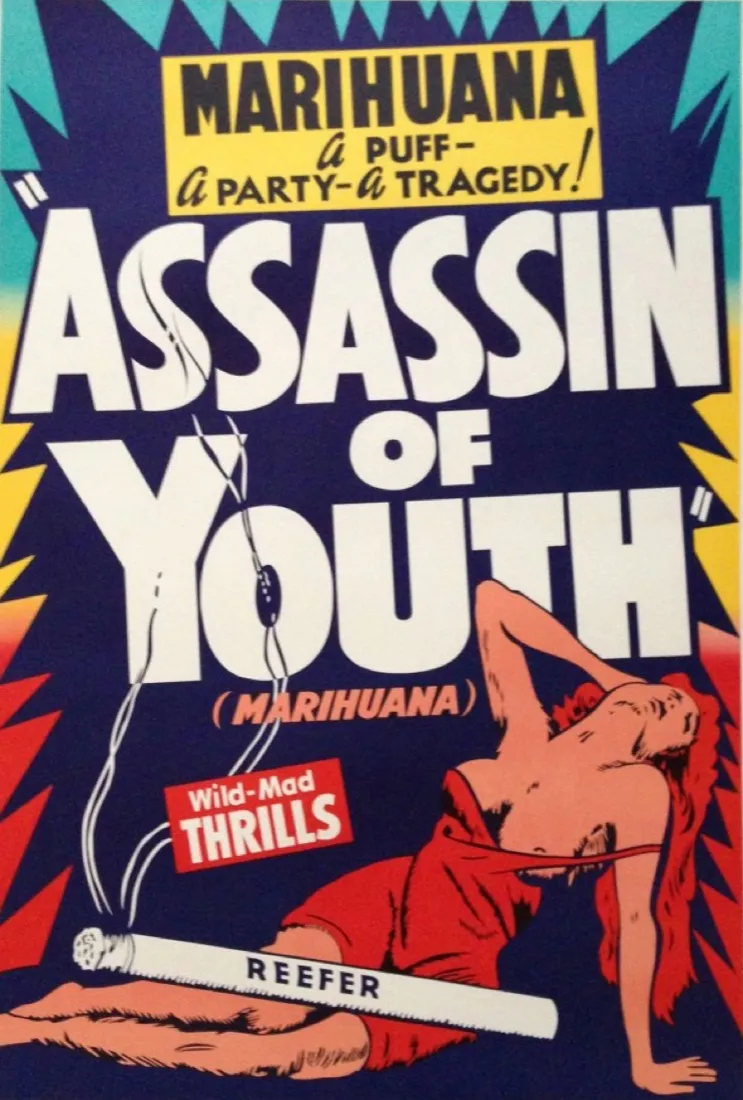
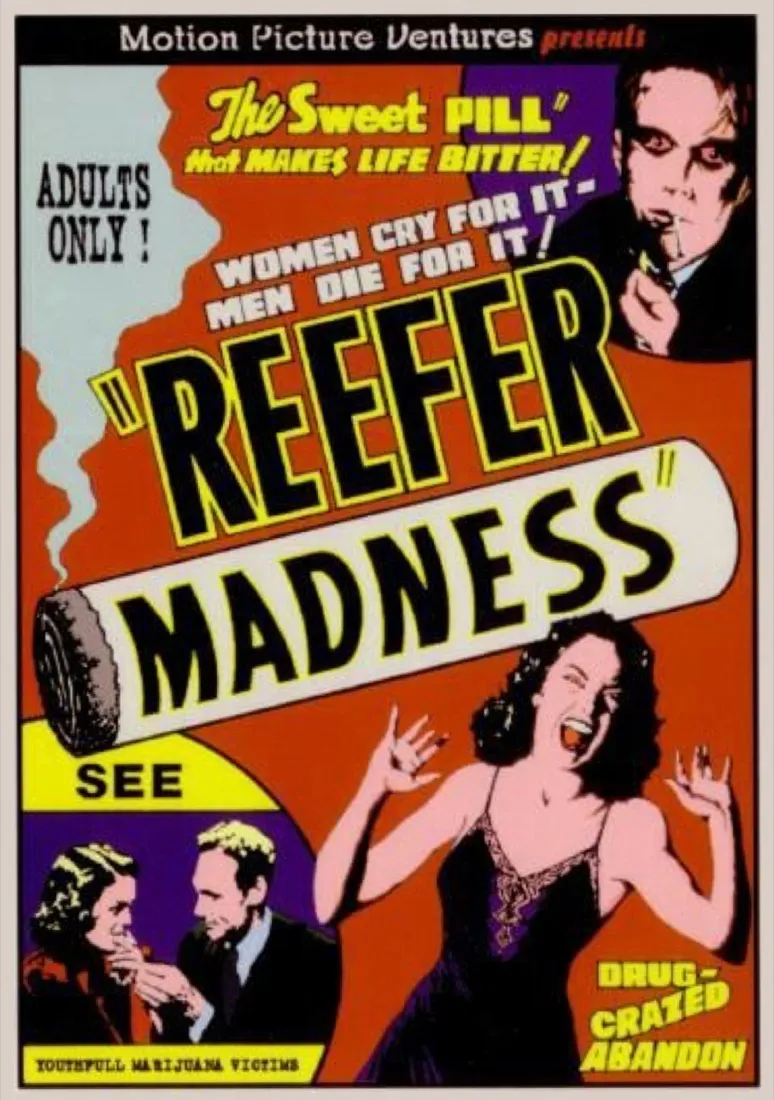
In June 1938, Egyptian police official Russell Pasha challenged claims that cannabis was producing a crime wave. His intervention at the League of Nations complicated the case advanced by American narcotics chief Harry Anslinger, who associated marijuana with violence and mental deterioration.
Historian Haggai Ram uses the proceedings to show disagreement within the institutions of prohibition. Their participants were not choosing between one settled scientific position and another.
The American argument
The United States was not a League member, but Anslinger participated in its drug control discussions as an observer. His interventions connected cannabis with violent crime and demanded strict international action.
The Marihuana Tax Act had already passed in the United States. In Geneva, his claims carried that campaign into an institution which had been collecting evidence about cannabis since the 1925 convention.
A police chief’s objection
Russell represented Egypt, whose earlier advocacy had helped bring cannabis under international control. He had served there since 1902 and directed its Central Narcotics Intelligence Bureau.
He had already described hashish as comparatively less harmful in a 1930 report. In the 1938 proceedings, he said his experience did not indicate a particular crime wave attributable to hashish. That was an experienced official’s assessment, rather than proof that cannabis could never contribute to harm.
The dispute with Bouquet
Russell also challenged committee expert Bouquet’s explanations of cannabis use through supposedly fixed Arab or Muslim characteristics. He objected to treating Egyptians and Tunisians as interchangeable populations.
His alternative explanation connected Egyptian consumption with modern irrigation, parasitic disease and peasants seeking to restore lost energy. Ram treats the move towards historical circumstances as significant, while acknowledging that the explanation remained questionable. It should not be adopted as a demonstrated medical account of why people used cannabis.
Contested knowledge, continuing control
Neither official abandoned broad generalisations about the populations under discussion. Russell’s objection also did not repeal a law or establish a new international settlement.
Ram records the committee chairman’s suggestion that Bouquet redraft his text in consultation with Russell. The historian finds no evidence that this produced the proposed revision. The episode shows an effort to manage disagreement as well as an argument about evidence.
The League’s cannabis work ended amid the outbreak of war. The 1938 exchange is listed as international debate, with no national score change attributed to it.[1]
In the cultural atlas
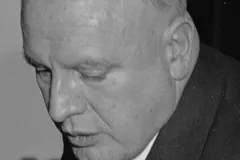 People · American narcotics official · 1892–1975Harry J. AnslingerThe first head of the US Federal Bureau of Narcotics, from 1930 to 1962. He made cannabis a national scare, drafted the law that ended its legal use, and carried the American position to the League of Nations and the UN.
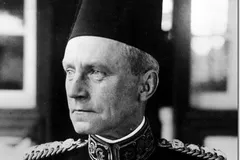 People · British police chief in Egyptian service · 1879–1954Russell PashaThe British commandant of the Cairo police who led Egypt's war on heroin between the world wars, and told the League of Nations, against the American line, that hashish was a minor vice and its smokers no danger to anyone.
References
- Squaring a Circle: Cannabis and the Dubious Legacy of the League of NationsHaggai Ram · In Cannabis: Global Histories, edited by Lucas Richert, James H. Mills · MIT Press · 2021 · ch. 5, The League of Nations Subcommittee on Cannabis: Hitting a Glass Ceiling of Preconceptions; Conclusion; notes 64–85 (EPUB) · ISBN 9780262045209
Checked. The date and the event were compared with a source that was read.