Poland
14/100
#64 of 196 worldwide
#29 of 45 in Europe
Possession and home growing remain crimes, though small personal-possession cases can be dropped. Patients can obtain prescribed cannabis through pharmacies; prescribing normally requires an in-person examination. A proposal to exempt 15 g and one personal plant remains before parliament.
In short all countries →
- Can I carry it?NoIt is a crime
- Can I grow it?NoIt is a crime
- Can I buy it?LimitedOn prescription, without great difficulty
- Can I use it in public?NoNot in public, and even at home the law does not protect it
- What if I'm caught?Fine or prisonUsually a fine; prison is possible
A rough guide read from the scores and the rules below, not legal advice. The details and the exceptions are in each segment: select an answer to jump to it.
Cannabis in Poland not part of the score · all 30 datasets ↓
Who uses it
About 1 in 18
people aged 15–64 in Poland used cannabis in the past year: 1.3 million people.
- Past year
- 5.7%
- Europe median
- 5.8%
- Aged 15–16, 2024
- 14.5%
UNODC · survey 2023
Source Past-year cannabis use among people aged 15–64. People who used cannabis in the past year, from a 2023 survey, applied to today's population aged 15–64.Survey ages and years vary, and some surveys include children. Rates are not age-standardised; do not compare countries directly.
UNODC World Drug Report 2026, annex table 1.2. Population from the World Bank, aged 15–64. The whole dataset →
Use across Europe
23rdhighest of 44 surveyed countries
- 🇨🇾 Cyprus6.0%
- 🇮🇸 Iceland5.8%
- 🇵🇱 Poland5.7%
- 🇦🇱 Albania5.6%
- 🇪🇪 Estonia5.6%
Past-year use, latest survey of each. Survey years and ages differ. On the map →
What they think of it
“Is using marijuana morally acceptable?”
43% say it is morally unacceptable
- Acceptable 25%
- Not a moral issue 23%
- Depends or no answer 10%
- Unacceptable 43%
The 8th least disapproving of the 25 countries surveyed, where the median is 52%. On the map →
Source Pew Research Center, surveyed January to May 2025, 1,002 adults (topline, question 17g).Cannabis in figures
- Offences for cannabis use or possession112per 100,000 people · 2012
- Police contact for drug use or possession85per 100,000 people · 2024
- Cannabis seized8,178kg in 2024 · 2024
- THC in cannabis sold (Europe)14.09%THC in herb · 2024
- Street price of cannabis (Europe)€11.70a gram of herb · 2024
The dot: where it stands among the countries each dataset covers, lowest to highest. All datasets ↓
Score breakdown 14/100 · how the scores are made
Neighbours
- 🇨🇿 Czechia44
- 🇩🇪 Germany44
- 🇺🇦 Ukraine20
- 🇱🇹 Lithuania15
- 🇵🇱 Poland14
- 🇸🇰 Slovakia11
- 🇷🇺 Russia11
- 🇧🇾 Belarus5
Possessing cannabis without authorisation carries up to three years in prison; minor cases can bring a fine, restricted liberty or up to one year, and a significant quantity one to ten years.[1] Prosecutors may drop cases involving a small amount for personal use when punishment would be pointless given the circumstances and harm involved.[1] Possession of any amount became punishable in 2000, ending the earlier personal-use exception.[2] Possession of any amount became punishable in 2000.
| Amount | What happens | Punishment | Fine |
| Unauthorised possessionUp to three years in prison | CriminalPossession of a narcotic drug | Up to 3 years | — |
| Minor possession caseFine, restricted liberty or up to one year | CriminalPossession of a narcotic drug | Up to 1 year | — |
| Significant quantityOne to ten years | CriminalPossession of a narcotic drug | 1–10 years | — |
Growing cannabis other than fibre hemp without authorisation carries up to three years in prison, rising to six months to eight years where the crop could yield a significant quantity.[1] A bill submitted in March 2026 proposes exempting one plant for personal use, kept away from public access; parliament has not passed it.[3][4] Possession of any amount became punishable in 2000. A 2026 bill would exempt 15 g and one plant.
| Amount | What happens | Punishment | Fine |
| Unlawful cultivation (basic case)Up to three years in prison | CriminalUnlawful cultivation of cannabis | Up to 3 years | — |
| Where the crop could yield a significant quantitySignificant-quantity growing; the 2026 bill would exempt one personal plant | CriminalUnlawful cultivation of cannabis | 6 months – 8 years | — |
Small personal-possession cases can be dropped before a formal investigation begins, but the decision depends on the circumstances and social harm.[1] A Polish Drug Policy Network analysis reported 2,307 such dismissals in 2012: 2,145 by prosecutors and 162 by courts.[5] Prosecutors gained the dismissal power in 2011.
Giving cannabis to another person carries up to three years in prison in the basic case.[1] Supplying a minor or a significant quantity carries six months to eight years; supply for financial or personal gain carries one to ten years in the basic case.[1]
| Amount | What happens | Punishment | Fine |
| Giving cannabis to another person (basic case)Up to three years in prison | CriminalSupply of a narcotic drug | Up to 3 years | — |
| Supplying a minor or a significant quantityMinors and significant quantities; gain motive raises the track to one to ten years | CriminalSupply of a narcotic drug | 6 months – 8 years | — |
| Supply for financial or personal gainOne to ten years in the basic case | CriminalSupply of a narcotic drug | 1–10 years | — |
Patients can obtain prescription preparations made from authorised cannabis flower, extracts or resin through pharmacies.[1] Since 7 November 2024 prescribing normally requires an in-person examination; a doctor providing contracted primary care may continue an existing treatment remotely under the stated exception.[6] Recreational supply remains prohibited.[1] Remote prescribing was restricted in 2024. Medical cannabis became legal in 2017.
Context not part of the score · every country, by topic →
There is no legal recreational supply. Possession without authorisation brings up to three years, though prosecutors may drop small personal-use cases where punishment would be pointless; there is no fixed gram allowance.[1] A 2026 bill to exempt one home plant has not passed.[3][4] Giving cannabis to another person brings up to three years.[1] A 2026 bill would exempt 15 g and one plant.
Doctors can prescribe cannabis preparations made from authorised pharmaceutical raw materials — flower, extracts, tinctures and resin; veterinarians cannot issue these prescriptions.[1] An in-person examination is normally required, with a limited exception for continuing treatment through contracted primary care.[6] Medical cannabis became legal in 2017. The first pharmacy dispensing followed in 2018.
A European survey conducted in 2018–19 received a response from one Polish cannabis social club; its authors could not establish the full national count.[7] Growing and supplying recreational cannabis remain offences, leaving clubs without an authorised growing-and-distribution route.[1]
Seeds are excluded from the statutory definition of non-fibre cannabis herb.[1] That definition covers above-ground material exceeding 0.3% combined THC and THCA, subject to rounding.[1] Growing cannabis other than fibre hemp without authorisation is a separate offence, so the seed exclusion does not permit home growing.[1]
Fibre hemp is cannabis at no more than 0.3% combined THC and THCA in the flowering or fruiting tops, subject to the statutory rounding rule; seeds are excluded from the non-fibre herb definition but that does not permit home growing.[1] The retained sources establish no CBD retail regime beyond authorised pharmaceutical raw materials.[1] State institutes may grow medical cannabis since 2022.
Research institutes supervised by the agriculture minister may grow medical cannabis with permission from the Chief Pharmaceutical Inspector.[1] Permits last up to five years, with security, supervision and records of the crop required.[1] Fibre hemp is defined by no more than 0.3% combined THC and THCA in the flowering or fruiting tops, subject to the statutory rounding rule.[1] State institutes may grow medical cannabis since 2022.
The EU drugs agency records 7,058 kg of herbal cannabis and 1,635 kg of resin seized in Poland in 2024, against 4,251 kg and 783 kg in 2023.[8] Herbal cannabis was seized on 20,222 occasions and resin on 809.[8] Plant seizures totalled 18,130 plants.[8]
Visitors have no authorised recreational supply: giving or selling cannabis remains an offence.[1] Personal possession carries up to three years in prison in the basic case, though a small personal-use case may be dropped under the law’s conditions.[1]
Poland sets no laboratory THC limit. Driving after using a substance that acts like alcohol is a misdemeanour under article 87 of the Code of Petty Offences: arrest or a fine of at least 2,500 zlotys, and a driving ban.[9][10] Driving under the influence of a narcotic is a separate crime, with up to three years in prison and a driving ban of at least three years.[11] A court in Gliwice held that an inactive THC metabolite shows only earlier cannabis use, and that the crime depends on the effect on that driver rather than on a concentration.[10] The Supreme Court held that a positive screening test and an admission of earlier use were not enough, on their own, to prove the crime.[12]
Recorded possession offences rose from 1,896 in 1999 to 31,260 in 2007 and stood at 18,441 in 2012, according to a 2014 Polish Drug Policy Network analysis.[5] The Institute of Public Affairs recorded 30,548 possession offences in 2008, when possession accounted for 53% of drug-act charges and trafficking 24%.[2] Its court-file research found marijuana involved in 65% of charges, while the network reported that 79% of marijuana possession cases in the Kraków study involved less than three grams.[2][5] The institute reported 714 people imprisoned for drug possession in 2007.[2] The national possession totals cover all drugs.[5][2]
A conviction enters the criminal record; once it is legally expunged, the entry is removed and the conviction is treated as having never occurred.[11] Drug-impaired driving can bring up to three years in prison and a driving ban of at least three years.[11]
Hemp fed Poland as well as clothed it. In Silesia siemieniotka, a soup of crushed hemp seed, is one of the dishes of the Christmas Eve table.[13] Around Shrovetide, Polish women performed high-jumping hemp dances so the crop would grow as tall as they could leap.[14] The folk memory survived the twentieth century's bans: the 2022 hemp act that let state institutes grow medical cannabis also fixed fibre hemp at 0.3% THC and THCA.[1] State institutes may grow medical cannabis since 2022.
Institutional research growing runs through the agriculture minister's research institutes, which may grow medical cannabis with the Chief Pharmaceutical Inspector's permission on permits of up to five years, under security, supervision and crop records.[1] No separate research programme, trial or published study was established in the retained sources.[1] State institutes may grow medical cannabis since 2022.
Taking cannabis into or out of Poland is a separate offence from possessing it, normally charged as smuggling or trafficking, with far heavier penalties. That holds almost everywhere, including between two places where cannabis is legal.
A prescription from another country is not recognised by itself. Within the Schengen area a patient can carry prescribed medicine for up to 30 days with a certificate issued by their home health authority; whether cannabis qualifies depends on both countries.[15]
General guidance that applies to almost every country, not a check of Poland's customs rules.
Culture the atlas →
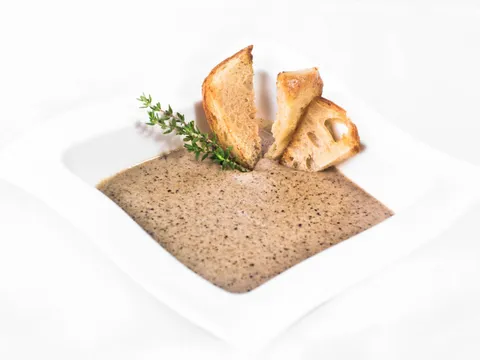 TraditionsSiemieniotkaIn Silesia, hemp-seed soup is one of the dishes of Christmas Eve.
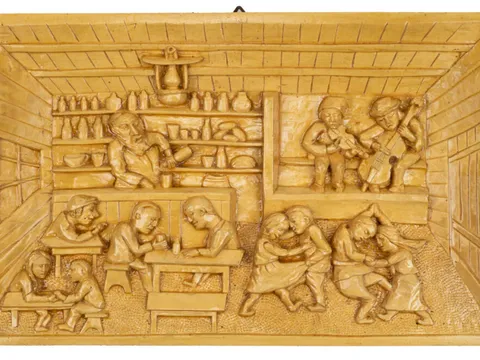 TraditionsThe hemp danceAcross Europe, farmers believed hemp would grow as tall as they could jump. Polish women leapt high around Shrovetide, Swabian couples jumped the Midsummer fire, and Ukrainian girls sowed hemp seed on St Andrew's Eve to learn whom they would marry.
Did you know? all cases →
1985 · Poland
From 1985 to 1997 possessing drugs was not an offence in Poland in any quantity: police could confiscate them and nothing more. Since December 2000 any amount has been a crime.
The full story →2018 · Poland
Poland's parliament legalised medical cannabis by 440 votes to 2. The first delivery, a year later, was seven kilograms for the whole country and sold out within days.
The full story →Customs · Poland
In Silesia, hemp-seed soup is one of the dishes of Christmas Eve.
Read the entry →Folklore · Europe
European farmers believed hemp grew as tall as they could jump. Women in Poland did the hemp dance on Shrove Tuesday; couples in Germany leapt the Midsummer fire crying for hemp three ells high.
Read the entry →
Datasets not part of the score
What other organisations publish about Poland, and where it stands among the countries each one covers. Each dataset has a page of its own, with a world map and every country's figure.
Use
UNODC · 2023
Cannabis use
5.7%of people aged 15–64
2.7% · 20069.6% · 20103.8% · 20124.6% · 20142.4% · 20163.8% · 20195.7% · 202320062023 ages 15–64 · survey 2023 · 1,300,000 people · UNODC 2026
Source Survey ages and years vary, and some surveys include children. Rates are not age-standardised; do not compare countries directly.UNODC · 2024
Cannabis use at 15 and 16
14.5%in the past year
20.1% · 201223.4% · 201321% · 201620.2% · 201816.7% · 201914.5% · 202420122024 Higher than 73% of 49 countriesLowestHighest16.9% ever · 8% in the past month · 2024 · ages 15–16
ESPAD
Is cannabis easy to get? (students, Europe)
32.2%of students say it is easy to get
Higher than 72% of 36 countriesLowestHighest35.2% of boys · 29.3% of girls · aged 15–16 · 2024
EUDA · 2024
Cannabis in wastewater
41.70mg of THC-COOH a day per 1,000 people
28.00 · 201929.90 · 202051.10 · 202146.00 · 202237.50 · 202341.70 · 202420192024 Higher than 18% of 33 countriesLowestHighestcities measured: 1 · 680,000 people served
ESPAD · 2024
Students who have tried cannabis (Europe)
15.5%of students have tried it
8.2% · 199513.6% · 199917.6% · 200316.5% · 200723.2% · 201123.8% · 201520.9% · 201915.5% · 202419952024 Higher than 72% of 36 countriesLowestHighestaged 15–16 · 2024 · 13.6% in 1999 · 23.2% in 2011
WHO, Our World in Data · 2020
Alcohol drunk per person
11.66litres of pure alcohol a year
9.65 · 20009.65 · 20019.83 · 200210.24 · 200310.54 · 200410.71 · 200511.04 · 200611.50 · 200711.60 · 200811.49 · 200911.30 · 201011.29 · 201111.48 · 201211.52 · 201311.58 · 201411.46 · 201511.47 · 201611.50 · 201711.63 · 201811.63 · 201911.66 · 202020002020 Higher than 96% of 187 countriesLowestHighestper person aged 15 or over · 2020 · 9.65 in 2000 · 11.30 in 2010
EUDA · 2024
People entering treatment for cannabis
28.4%of people entering drug treatment came for cannabis
Higher than 59% of 29 countriesLowestHighest1,161 of 4,085 people · 2024
Law
EUDA · 2012
Offences for cannabis use or possession
112per 100,000 people
65 · 200771 · 200892 · 200998 · 2010104 · 2011112 · 201220072012 Higher than 65% of 23 countriesFewerMore40,949 offences in 2012 · cannabis only · use or possession, not dealing · 35,838 in 2010
UNODC · 2024
Police contact for drug use or possession
85per 100,000 people
88 · 202190 · 202287 · 202385 · 202420212024 Higher than 61% of 101 countriesFewerMore31,056 people in 2024 · all drugs together
UNODC · 2024
Cannabis seized
8,178kg in 2024
2,673 · 20152,602 · 20164,857 · 201712,576 · 20183,427 · 20197,310 · 20209,849 · 20217,660 · 20225,034 · 20238,178 · 202420152024 Higher than 64% of 163 countriesLess seizedMore seized6,547 kg of herb · 1,631 kg of resin · 2,673 kg in 2015 · 7,310 kg in 2020
Society
Pew Research Center · 2025
Is using marijuana morally wrong?
43%call it immoral
Higher than 28% of 25 countriesFewer disapproveMore disapprove25% acceptable · 23% not a moral issue · 1,002 people asked
OpenAlex · 2025
Research on cannabis
4.1papers per million people
0.0 · 19910.0 · 19940.0 · 19950.0 · 19960.1 · 19970.1 · 19990.2 · 20000.2 · 20010.1 · 20020.1 · 20030.3 · 20040.4 · 20050.3 · 20060.4 · 20070.6 · 20080.7 · 20090.5 · 20101.0 · 20110.9 · 20121.0 · 20131.1 · 20141.3 · 20151.5 · 20161.5 · 20171.6 · 20181.3 · 20192.6 · 20202.9 · 20213.3 · 20222.9 · 20233.2 · 20244.1 · 202519912025 Higher than 79% of 176 countriesLowestHighest149 papers in 2025 · 20 in 2010
Cato and Fraser Institutes · 2023
Human Freedom Index
7.76of 10
8.11 · 20008.12 · 20018.24 · 20028.23 · 20038.21 · 20048.23 · 20058.24 · 20068.20 · 20078.25 · 20088.26 · 20098.29 · 20108.28 · 20118.31 · 20128.30 · 20138.34 · 20148.27 · 20158.10 · 20167.99 · 20177.96 · 20187.94 · 20197.69 · 20207.67 · 20217.70 · 20227.76 · 202320002023 Higher than 70% of 164 countriesLess freeFreerrank #48 of 165 · personal freedom 8.44 · economic freedom 6.80
V-Dem, Our World in Data · 2025
Civil liberties
0.92of 1 in 2025
0.85 · 19180.86 · 19190.85 · 19200.86 · 19210.86 · 19220.85 · 19230.85 · 19240.84 · 19250.81 · 19260.75 · 19270.77 · 19280.77 · 19290.73 · 19300.74 · 19310.74 · 19320.74 · 19330.72 · 19340.69 · 19350.69 · 19360.68 · 19370.68 · 19380.28 · 19440.27 · 19450.28 · 19460.28 · 19470.28 · 19480.26 · 19490.26 · 19500.26 · 19510.26 · 19520.26 · 19530.26 · 19540.26 · 19550.30 · 19560.45 · 19570.45 · 19580.45 · 19590.45 · 19600.45 · 19610.45 · 19620.45 · 19630.45 · 19640.45 · 19650.45 · 19660.45 · 19670.45 · 19680.45 · 19690.45 · 19700.47 · 19710.47 · 19720.47 · 19730.47 · 19740.48 · 19750.47 · 19760.47 · 19770.47 · 19780.47 · 19790.51 · 19800.44 · 19810.29 · 19820.34 · 19830.47 · 19840.49 · 19850.55 · 19860.55 · 19870.55 · 19880.76 · 19890.95 · 19900.95 · 19910.95 · 19920.95 · 19930.95 · 19940.95 · 19950.95 · 19960.95 · 19970.95 · 19980.95 · 19990.95 · 20000.95 · 20010.95 · 20020.95 · 20030.95 · 20040.95 · 20050.95 · 20060.95 · 20070.95 · 20080.95 · 20090.95 · 20100.95 · 20110.95 · 20120.95 · 20130.95 · 20140.95 · 20150.89 · 20160.85 · 20170.85 · 20180.85 · 20190.83 · 20200.81 · 20210.81 · 20220.84 · 20230.92 · 20240.92 · 202519182025 Higher than 87% of 175 countriesFewer libertiesMore liberties0.84 in 1925 · 0.45 in 1961 · 0.95 in 1990
Our World in Data, World Bank · 2025
Population
36,435,861people in 2025
24,312,686 · 190025,809,505 · 191023,791,651 · 192027,385,667 · 193028,883,551 · 194024,780,169 · 195029,575,967 · 196032,542,639 · 197035,576,518 · 198038,055,448 · 199038,258,077 · 200038,095,356 · 201038,171,005 · 202036,435,861 · 202519002025 Higher than 78% of 196 countriesLowestHighest24,312,686 in 1900 · 24,780,169 in 1950 · 38,258,077 in 2000
CEPII
Former colonial rulers
Once ruled by Germany
World Bank · 2025
Government effectiveness
69of 100
68 · 199660 · 199860 · 200059 · 200262 · 200358 · 200462 · 200559 · 200657 · 200763 · 200863 · 200965 · 201066 · 201166 · 201266 · 201370 · 201470 · 201567 · 201665 · 201767 · 201866 · 201966 · 202065 · 202164 · 202265 · 202367 · 202469 · 202519962025 Higher than 78% of 195 countriesLowestHighestestimate 0.80 on a scale of −2.5 to 2.5 · 2025 · 60 in 2000 · 70 in 2015
Eurostat · 2026
Minimum wage
€1,139a month
159 · 1999161 · 2000197 · 2001217 · 2002199 · 2003175 · 2004208 · 2005233 · 2006244 · 2007313 · 2008307 · 2009321 · 2010349 · 2011336 · 2012393 · 2013404 · 2014410 · 2015434 · 2016453 · 2017503 · 2018523 · 2019611 · 2020614 · 2021655 · 2022746 · 2023978 · 20241,091 · 20251,139 · 202619992026 Higher than 65% of 31 countriesLowestHighestgross, full time · January 2026 · €208 in 2005 · €410 in 2015
Transparency International · 2024
Corruption Perceptions Index
53of 100
58 · 201260 · 201361 · 201463 · 201562 · 201660 · 201760 · 201858 · 201956 · 202056 · 202155 · 202254 · 202353 · 202420122024 Higher than 70% of 178 countriesLowestHighest0 highly corrupt, 100 very clean · 2024 · 63 in 2015 · 56 in 2020
Pew Research Center · 2020
Most common religion
Christians
the largest group · 2020
World Bank · 2025
Income per person
$46,925per person
12,821 · 199011,880 · 199112,141 · 199212,563 · 199313,200 · 199414,228 · 199515,083 · 199616,032 · 199716,767 · 199817,556 · 199918,566 · 200018,801 · 200119,167 · 200219,856 · 200320,879 · 200421,569 · 200522,921 · 200624,484 · 200725,554 · 200826,204 · 200927,112 · 201028,522 · 201128,953 · 201229,169 · 201330,335 · 201431,700 · 201532,675 · 201634,355 · 201736,500 · 201838,182 · 201937,853 · 202041,060 · 202143,405 · 202243,673 · 202345,153 · 202446,925 · 202519902025 Higher than 79% of 187 countriesLowestHighestat purchasing power parity, 2021 dollars · 2025 · $12,821 in 1990 · $27,112 in 2010
Wikimedia · 2026.792
Views of the cannabis article on Wikipedia
116page views in 2026–10
28,249 · 201523,563 · 201520,365 · 201521,334 · 201520,951 · 201520,890 · 201524,006 · 201620,472 · 201622,023 · 201621,376 · 201623,815 · 201620,370 · 201619,355 · 201622,643 · 201621,644 · 201622,913 · 201621,246 · 201621,031 · 201627,312 · 201721,674 · 201720,984 · 201720,278 · 201722,610 · 201722,201 · 201719,490 · 201718,887 · 201718,226 · 201717,418 · 201718,094 · 201716,760 · 201718,263 · 201815,768 · 201817,582 · 201817,205 · 201821,984 · 201822,801 · 201821,280 · 201822,171 · 201819,176 · 201822,757 · 201826,122 · 201828,420 · 201829,192 · 201925,686 · 201927,313 · 201924,016 · 201929,811 · 201928,245 · 201928,712 · 201928,787 · 201924,443 · 201921,396 · 201921,729 · 201921,181 · 201923,519 · 202018,628 · 202016,156 · 202020,776 · 202021,384 · 202018,122 · 202018,605 · 202017,742 · 202015,465 · 202013,757 · 202016,280 · 202017,034 · 202018,467 · 202114,143 · 202115,795 · 202117,538 · 202115,230 · 202112,665 · 202113,819 · 202114,504 · 202112,981 · 202113,299 · 202112,258 · 202112,355 · 202115,191 · 202212,676 · 20229,911 · 202210,955 · 202210,735 · 202210,093 · 202210,350 · 20229,554 · 20227,716 · 20228,526 · 20228,642 · 20228,088 · 20229,486 · 20237,991 · 20238,767 · 20238,135 · 20238,828 · 20237,987 · 20237,994 · 20238,428 · 20237,517 · 20237,144 · 20237,443 · 20237,756 · 20238,423 · 20248,261 · 20249,147 · 20249,499 · 20248,350 · 20247,278 · 20247,034 · 20247,070 · 20246,147 · 20246,345 · 20246,181 · 20246,540 · 20246,289 · 20254,909 · 20254,999 · 20254,607 · 20254,321 · 20253,468 · 20254,306 · 20254,777 · 20254,257 · 20254,382 · 20254,156 · 20254,473 · 20254,632 · 20263,614 · 20263,987 · 20263,641 · 20263,641 · 20263,185 · 20263,488 · 20263,554 · 20263,247 · 2026116 · 202620152026 Higher than 85% of 26 countriesLowestHighestMarihuana · pl Wikipedia
World Bank · 2024
Development indicators
88.6%use the internet
0% · 19900% · 19910.1% · 19920.1% · 19930.4% · 19940.6% · 19951.3% · 19962.1% · 19974.1% · 19985.5% · 19997.3% · 20009.9% · 200121.1% · 200224.9% · 200332.5% · 200438.8% · 200544.6% · 200648.6% · 200753.1% · 200859% · 200962.3% · 201061.9% · 201162.3% · 201262.8% · 201366.6% · 201468% · 201573.3% · 201676% · 201777.5% · 201880.4% · 201983.2% · 202085.4% · 202186.9% · 202286.4% · 202388.6% · 202419902024 Higher than 66% of 195 countriesLowestHighest60% live in towns · 20.1% aged 65+ · life expectancy 78.4 · higher education 80.9% · 2024 · 7.3% in 2000 · 62.3% in 2010
GDELT · 2025
Cannabis in the news
0.0021%of global news: cannabis articles from here
0.0026% · 20170.0024% · 20180.0023% · 20190.0027% · 20200.0035% · 20210.0034% · 20220.0027% · 20230.0023% · 20240.0021% · 202520172025 Higher than 86% of 147 countriesLowestHighest2025 average, 348 days · 0.0024% in 2018 · 0.0035% in 2021
Plant and market
EUDA · 2024
Street price of cannabis (Europe)
€11.70a gram of herb
8.00 · 20024.50 · 20036.00 · 20046.20 · 20057.10 · 20065.70 · 20086.50 · 20107.70 · 20127.75 · 20138.60 · 20148.09 · 20169.80 · 20187.50 · 202010.65 · 202211.00 · 202311.70 · 202420022024 Higher than 71% of 28 countriesLowestHighest€12.30 a gram of resin · 2024 · €6.50 in 2010
EUDA · 2024
THC in cannabis sold (Europe)
14.09%THC in herb
0.6% · 20041.01% · 20051.34% · 20065.22% · 20076.85% · 20087.7% · 20097.6% · 20109.63% · 20118.69% · 20129.81% · 201311% · 201410% · 20159.9% · 201610.56% · 201711.82% · 201810.12% · 201910.29% · 202010.44% · 202111.4% · 202213.01% · 202314.09% · 202420042024 Higher than 70% of 27 countriesLowestHighest2024 · 7.6% in 2010 · 10% in 2015
OpenStreetMap · 2026
Cannabis shops on the map
54shops mapped
Higher than 83% of 59 countriesFewer shopsMore shops1.5 per million people · 2026
GBIF · 2026
Records of the cannabis plant
546dated records
1 · 18455 · 18696 · 18737 · 18798 · 18819 · 188210 · 190111 · 190212 · 190414 · 190915 · 191016 · 191318 · 192219 · 192620 · 194821 · 195422 · 195725 · 195826 · 195948 · 196049 · 196155 · 196260 · 196367 · 196469 · 196670 · 196775 · 196894 · 197095 · 197196 · 197297 · 1973102 · 1975108 · 1976110 · 1977122 · 1978127 · 1979134 · 1980141 · 1981143 · 1982147 · 1983150 · 1984153 · 1985154 · 1986159 · 1987163 · 1989165 · 1990167 · 1991190 · 1992222 · 1993245 · 1994248 · 1995249 · 1996254 · 1997309 · 1998310 · 1999315 · 2000318 · 2001321 · 2003322 · 2004331 · 2005334 · 2006337 · 2008340 · 2009349 · 2011354 · 2012357 · 2013361 · 2014371 · 2015373 · 2016375 · 2017379 · 2018386 · 2019404 · 2020423 · 2021436 · 2022449 · 2023478 · 2024517 · 2025546 · 202618452026 Higher than 90% of 128 countriesLowestHighest179 more without a date · 29 in 2026 · 48 by 1960 · 315 by 2000
FAO · 2024
Hemp grown
1,050ha in 2024
17,260 · 196120,000 · 196216,000 · 196318,000 · 196422,400 · 196521,100 · 196619,900 · 196715,400 · 196815,300 · 196914,000 · 197014,100 · 197113,200 · 197211,100 · 197313,300 · 197411,877 · 197511,086 · 197610,071 · 19778,180 · 19782,187 · 19793,912 · 19804,120 · 19813,673 · 19822,558 · 19831,688 · 19841,741 · 19852,172 · 19862,917 · 19872,658 · 19882,122 · 1989652 · 199074 · 199138 · 1992154 · 1993427 · 1994300 · 1995200 · 1996300 · 1997100 · 1998100 · 1999100 · 2000100 · 2001100 · 2002100 · 2003500 · 2004200 · 2005700 · 20061,000 · 20071,000 · 2008500 · 2009100 · 2010451 · 2011100 · 2012300 · 2013587 · 2014600 · 2015390 · 20161,170 · 2017300 · 20181,830 · 20192,400 · 20202,120 · 20211,550 · 20221,490 · 20231,050 · 202419612024 Higher than 69% of 39 countriesLowestHighest3,630 t of fibre · 17,260 ha in 1961 · 3,912 ha in 1980 · 100 ha in 2000
ClinicalTrials.gov · 2026
Clinical trials of cannabis medicines
30studies so far
1 · 20103 · 20114 · 20124 · 20135 · 20148 · 20159 · 201612 · 201714 · 201816 · 201919 · 202022 · 202124 · 202227 · 202328 · 202430 · 202530 · 202620102026 Higher than 82% of 50 countriesLowestHighest0 actual starts in 2026 · as of 2026–10–26 · 1 by 2010 · 19 by 2020
History 21 of 21 checked against a source
Score and entries per decade
14 today, from 100 before its first recorded change
This country's score Entries that moved the score Context only
20261 entry0 score changes
20251 entry0 score changes
20241 entry0 score changes
20221 entry0 score changes
20181 entry1 score change
20171 entry1 score change
20151 entry0 score changes
20141 entry0 score changes
20111 entry1 score change
20051 entry0 score changes
20001 entry1 score change
19971 entry1 score change
19941 entry0 score changes
19931 entry0 score changes
19851 entry1 score change
19661 entry0 score changes
19511 entry1 score change
19461 entry0 score changes
19371 entry0 score changes
19321 entry0 score changes
19231 entry1 score change
Sources hover a number in the text to see its source
- Cited
- 15
- Websites
- 11
- Last reviewed
- History checked
- 21/21
Most cited
- api.sejm.gov.pl4
- saos.org.pl2
- cdn.sanity.io1
- drogriporter.hu1
- eli.gov.pl1
- euda.europa.eu1
All 15 sources
- Sejm — Act on Counteracting Drug Addiction, consolidated text (2023)Articles 4(5), 4(37), 33a–33b, 49a, 58–59 and 62–63; relevant rules checked alongside the 2026 amendmentarchived
- Institute of Public Affairs — Drug policy in Poland: time for a change (June 2010, PDF)archived
- Sejm — Proposal to exempt 15 g and one personal cannabis plant, print 2672 (2026, PDF)Draft articles 1–3archived
- Sejm — Legislative progress of cannabis proposal 2672Not passed; committee referrals recorded to 1 July 2026archived
- Drugreporter — Polish drug policy by numbersarchived
- Patient Rights Ombudsman — In-person examinations before prescribing, 19 December 2024archived
- Pardal, Decorte, Bone, Parés & Johansson — Mapping Cannabis Social Clubs in Europe, European Journal of Criminology (2020, PDF)archived
- EUDA — Statistical Bulletin 2026, seizures of drugs: cannabis (quantity and number of seizures)archived
- Code of Petty Offences, consolidated text (ELI, DU/2023/2119)Article 87 §1: driving a motor vehicle after using alcohol or a substance that acts like it. Arrest or a fine of at least 2,500 zlotys, and a driving ban.archived
- District Court in Gliwice — VI Ka 39/16 (18 March 2016)Inactive THC metabolite shows earlier use. The crime of driving under the influence depends on the effect on that driver, not on a concentration.archived
- Sejm — Criminal Code, consolidated text (2025, PDF)Articles 42 §2, 106 and 178a §1archived
- Supreme Court — Proving drug-impaired driving, 3 December 2014 (SAOS reproduction)II KK 219/14, reasons distinguishing drug use from impairmentarchived
- Śląskie Smaki — Siemieniotka (zupa wigilijna)archived
- Muzeum Narodowe Ziemi Przemyskiej — Zapomniane zwyczaje zapustne (dance for flax and hemp)archived
- International Narcotics Control Board — Travellers carrying medicines containing controlled substances