11/100
#101 of 196 worldwide
#40 of 45 in Europe
The administrative tier is product-specific: up to 6 g of marijuana plant material, 2 g of hashish or 0.4 g of cannabis oil. Above the relevant threshold, criminal penalties apply. Drug propaganda is also penalised.
In short all countries →
- Can I carry it?NoUnlawful; administrative/criminal thresholds differ for plant material, resin and oil
- Can I grow it?NoIt is a crime
- Can I buy it?NoThere is no legal source
- Can I use it in public?NoNot in public, and even at home the law does not protect it
- What if I'm caught?Prison or detentionAdministrative detention is possible; cannabis oil has a 0.4 g criminal grading figure, rather than the 6 g plant figure
A rough guide read from the scores and the rules below, not legal advice. The details and the exceptions are in each segment: select an answer to jump to it.
Cannabis in Russia not part of the score · all 19 datasets ↓
Who uses it
About 1 in 29
people aged 15–64 in Russia used cannabis in the past year: 3.3 million people.
- Past year
- 3.5%
- Europe median
- 5.8%
- Aged 15–16, 2011
- 9.5%
UNODC · survey 2007
Source Past-year cannabis use among people aged 15–64. People who used cannabis in the past year, from a 2007 survey, applied to today's population aged 15–64.Survey ages and years vary, and some surveys include children. Rates are not age-standardised; do not compare countries directly.
UNODC World Drug Report 2026, annex table 1.2. Population from the World Bank, aged 15–64. The whole dataset →
Use across Europe
32ndhighest of 44 surveyed countries
- 🇱🇹 Lithuania4.3%
- 🇱🇻 Latvia3.9%
- 🇷🇺 Russia3.5%
- 🇸🇪 Sweden3.3%
- 🇬🇷 Greece2.8%
Past-year use, latest survey of each. Survey years and ages differ. On the map →
Cannabis in figures
- Police contact for drug use or possession33per 100,000 people · 2024
- Cannabis seized10,109kg in 2024 · 2024
- Cannabis shops on the map3shops mapped · 2026
- Hemp grown6,357ha in 2024 · 2024
- Research on cannabis0.4papers per million people · 2025
The dot: where it stands among the countries each dataset covers, lowest to highest. All datasets ↓
Score breakdown 11/100 · how the scores are made
Neighbours · 9 of 15
- 🇵🇱 Poland14
- 🇦🇿 Azerbaijan14
- 🇰🇿 Kazakhstan14
- 🇱🇻 Latvia14
- 🇷🇺 Russia11
- 🇨🇳 China10
- 🇲🇳 Mongolia8
- 🇧🇾 Belarus5
- 🇰🇵 North Korea3
For unauthorised personal possession, the administrative upper quantities differ: 6 g of marijuana plant material, 2 g of hashish/cannabis resin and 0.4 g of cannabis/hashish oil. Above the corresponding significant-quantity figure, Article 228 criminal penalties can include up to three years; the large-quantity figures are 100 g, 25 g and 5 g respectively, with three to ten years above that tier.[1][2] Administrative possession can bring a 4,000–5,000 rouble fine or up to fifteen days’ detention; foreigners also face expulsion.[3] Classification and the applicable weight of a preparation must be established; not every liquid or carrier mixture is automatically hashish oil.[1] Especially large personal possession carries ten to fifteen years; the latter two tiers allow an additional fine up to RUB500,000 or an income-based fine.[2] The table follows marijuana plant material; resin and oil keep their separate thresholds.[1]
| Amount | What happens | Punishment | Fine |
| Up to 6 gFine or detention; marijuana plant material only | AdministrativeAdministrative offence | Up to 15 days | RUB 4,000 – RUB 5,000 |
| Over 6 g, up to 100 gPrison or a fine, or other statutory alternatives; income-based fine also possible | CriminalSignificant amount | Up to 3 years | Up to RUB 40,000 |
| Over 100 g, up to 100000 gAdditional fine optional; income-based alternative possible | CriminalLarge amount | 3–10 years | Up to RUB 500,000 |
| Over 100000 gAdditional fine optional; income-based alternative possible | CriminalEspecially large amount | 10–15 years | Up to RUB 500,000 |
Unauthorised growing of fewer than twenty cannabis plants brings a RUB3,000–5,000 fine or up to fifteen days of administrative detention.[4][5] From twenty plants the criminal maximum is two years, with alternatives including a fine up to RUB300,000 or an income-based fine; from 330 plants, or for group growing, it is eight years.[6][5] These plant counts are separate from the weight rules for harvested cannabis.[5][1]
| Amount | What happens | Punishment | Fine |
| Up to 19 plantsFine or detention | AdministrativeAdministrative offence | Up to 15 days | RUB 3,000 – RUB 5,000 |
| Over 19 plants, up to 329 plantsPrison or a fine, or other statutory alternatives; income-based fine possible | CriminalLarge amount | Up to 2 years | Up to RUB 300,000 |
| Over 329 plants | CriminalEspecially large amount | Up to 8 years | — |
| Group cultivation | CriminalArticle 231(2) | Up to 8 years | — |
Even administrative personal possession permits detention, while larger quantities bring criminal prosecution under Article 228.[3][2] The Supreme Court’s sentencing review prompted a proposal to lower prison terms for possession without intent to supply.[7]
Any sale or transfer, including giving cannabis away, falls under Article 228.1 of the Criminal Code: four to eight years in prison in the basic case, five to twelve when done through the internet or in places such as schools, transport or entertainment venues, eight to fifteen for a 'significant amount' or a group, ten to twenty for a 'large amount', and fifteen to twenty years or life for an 'especially large amount'.[8] The last tier also permits life imprisonment; optional fines in the aggravated tiers reach RUB500,000 or RUB1 million, with income-based alternatives.[8]
| Amount | What happens | Punishment | Fine |
| Ordinary supply | CriminalArticle 228.1(1) | 4–8 years | — |
| Internet supply or specified placesAdditional fine optional; income-based alternative possible | CriminalArticle 228.1(2) | 5–12 years | Up to RUB 500,000 |
| Significant amount or prior group agreementAdditional fine optional; income-based alternative possible | CriminalArticle 228.1(3) | 8–15 years | Up to RUB 500,000 |
| Large amount or other statutory aggravationAdditional fine optional; income-based alternative possible | CriminalArticle 228.1(4) | 10–20 years | Up to RUB 1,000,000 |
| Especially large amountLife imprisonment is an alternative; additional fine optional | CriminalArticle 228.1(5) | 15–20 years | Up to RUB 1,000,000 |
Using a narcotic without a doctor's prescription, or refusing a medical examination when police have grounds to suspect use, is an administrative offence under Article 6.9: a fine of 4,000 to 5,000 roubles or up to 15 days' arrest, and for a foreigner the same with expulsion from Russia. A person who goes voluntarily to a medical organisation for treatment is released from liability.[9]
| Amount | What happens | Punishment | Fine |
| Use without prescription or qualifying refusal of examinationFine or detention; foreign nationals also face expulsion | AdministrativeArticle 6.9 | Up to 15 days | RUB 4,000 – RUB 5,000 |
Context not part of the score · every country, by topic →
Adults have no legal shop or home-growing allowance for psychoactive cannabis.[8][4] Even the lowest possession tier permits detention, and giving cannabis to a friend falls under the criminal supply law.[3][8] A May 2026 proposal sought lower prison maxima for personal possession; the reviewed criminal code still sets the existing tiers.[7][2]
Patients have no domestic medical-cannabis dispensing route: marijuana, hashish and cannabis oil are listed among prohibited Schedule I narcotics.[10] The cultivation decree permits medical poppy and industrial hemp.[11] A foreign prescription does not create an exemption from the reviewed cannabis possession offence.[3][2]
A collective cannot lawfully supply recreational cannabis to its members: transfers fall under the criminal supply prohibition.[8] Unauthorised cultivation remains punishable even below the criminal plant threshold.[4][6]
Lawyers answering on a Russian legal advice site say hemp seeds are part of the plant but contain no narcotic, are not on the government's lists, and may be bought and sold for any purpose except sowing. Growing is what the law punishes: fewer than 20 plants is an administrative offence with a fine or up to 15 days' arrest, and 20 or more is a crime under Article 231 of the Criminal Code.[12][13]
Industrial hemp may be grown from registered varieties containing no more than 0.1% THC in the dry leaves and flowering tops.[11] The 2020 rules require approved varieties and forbid sowing seed of the fourth and later reproductions.[11] The permitted use is industrial production unrelated to making narcotic drugs.[11]
The lawful cannabis crop is industrial hemp meeting the registered-variety and 0.1% THC conditions.[11] The same decree authorises opium poppy for medical drug production, while its cannabis permission covers industrial uses.[11] Commercial supply of psychoactive cannabis remains a criminal offence.[8]
Figures reported by the government to the UN drugs office record 6,847 kg of herbal cannabis seized in 2024, against 7,868 kg in 2023, and 3,262 kg of cannabis resin seized in 2024, against 5,314 kg in 2023. The UN publishes them as kilogram equivalents, and countries count seizures differently, so the figures are not comparable across borders.[14]
There is no legal recreational supply.[8] The 6 g administrative ceiling concerns marijuana plant material; hashish has a 2 g ceiling and cannabis/hashish oil 0.4 g.[1] Above the applicable figure, criminal possession penalties can apply; larger oil cases above the 5 g grading figure can bring three to ten years.[2] Foreigners can be expelled even for administrative possession.[1][2][3]
The Code of Administrative Offences punishes driving in a state of intoxication with a fine of 45,000 roubles and loss of the licence for one and a half to two years, where the act is not a crime. A note to the article defines the state: for alcohol it gives measured levels, but for drugs liability arises from the presence of narcotic or psychotropic substances in the body, with no level set.[15]
Russian figures cover all drugs together. In 2024 courts convicted 69,900 people of drug crimes, 50,800 of them under Article 228, the possession article: about 13% of all 512,800 convictions that year, a share that has held steady for several years. One in five of those convicted under Article 228 as the main charge was sent to prison, most often for three to five years, and fewer than 1% were released from punishment. By various estimates about a third of all prisoners are serving time for drugs. The Interior Ministry counted 69,700 people prosecuted for drug crimes in 2024, nearly 10% fewer than in 2023, while seizures reached a seven-year record of 37.8 tonnes.[16][17]
Foreign nationals face expulsion alongside the fine or detention for administrative possession and use.[3][9] A person who voluntarily seeks treatment for drug use can be exempted from the use offence.[9] Voluntary surrender may exempt administrative possession, while the criminal exemption also requires active assistance and excludes drugs seized during arrest or a search.[3][2]
Russian drug schedules use both cannabis and anasha, the latter as a name for hashish.[1] The Indian hemp wording of earlier Soviet bans contrasts with the modern decree’s botanical category covering the genus Cannabis.[18][5] The atlas’s Scythian vapour bath connects to archaeological cannabis finds in Russia’s Altai mountains, discussed alongside the 2019 Pamir residue research.[19]
Taking cannabis into or out of Russia is a separate offence from possessing it, normally charged as smuggling or trafficking, with far heavier penalties. That holds almost everywhere, including between two places where cannabis is legal.
A prescription or medical card from another country is generally not recognised. Travellers who need a cannabis-based medicine should ask Russia's embassy before travelling.[20]
General guidance that applies to almost every country, not a check of Russia's customs rules.
Culture the atlas →
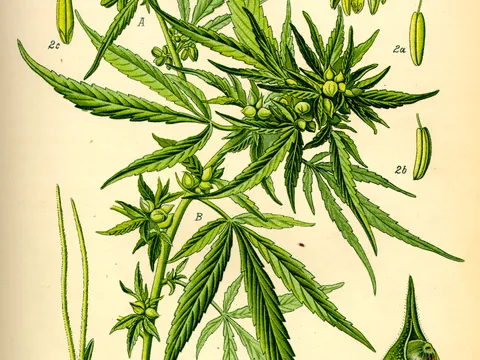 LanguageCannabisThe botanical name is a Scythian word that reached us through Greek and Latin. English "hemp" is the same word, borrowed much earlier and worn down by sound change.
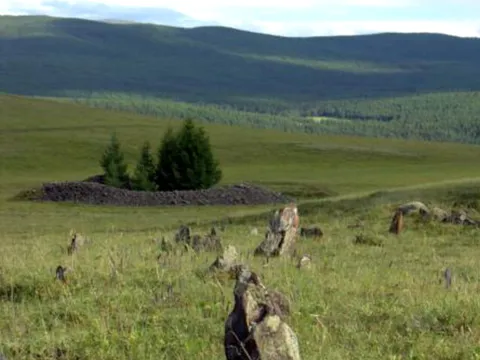 TraditionsThe Scythian vapour bathThe oldest description of people using cannabis for pleasure, by Herodotus about 440 BCE. Archaeology has since found the tents and the braziers.
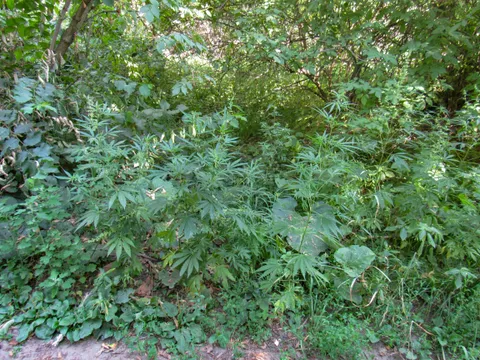 LanguageAnashaThe Russian slang word for cannabis and hashish, borrowed from Uzbek and Tajik. It names the drug of the Soviet south, and of the wild hemp of the Chuy valley.
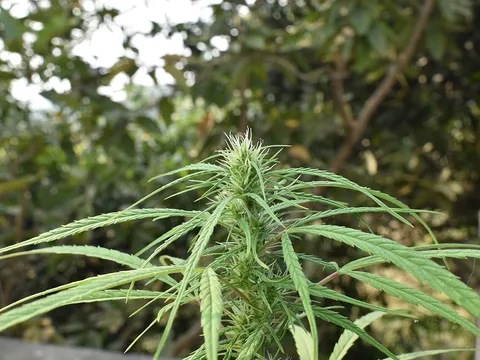 LanguageIndian hempThe name under which the British Empire, and then the world, first brought cannabis under control. It survives in the statute books of dozens of countries that have nothing to do with India.
Did you know? all cases →
2022 · Russia
Russia sentenced an American basketball player to nine years in 2022 for 0.7 grams of cannabis oil. She was freed in a prisoner exchange that December.
The full story →
Datasets not part of the score
What other organisations publish about Russia, and where it stands among the countries each one covers. Each dataset has a page of its own, with a world map and every country's figure.
Use
UNODC · 2007
Cannabis use
3.49%of people aged 15–64
ages 15–64 · survey 2007 · 3,300,000 people · UNODC 2026
Source Survey ages and years vary, and some surveys include children. Rates are not age-standardised; do not compare countries directly.UNODC · 2011
Cannabis use at 15 and 16
9.5%in the past year
17% · 20079.5% · 201120072011 Higher than 55% of 49 countriesLowestHighest14.8% ever · 4% in the past month · 2011 · ages 15–16
WHO, Our World in Data · 2020
Alcohol drunk per person
10.53litres of pure alcohol a year
13.86 · 200013.86 · 200114.12 · 200214.33 · 200314.45 · 200414.50 · 200514.62 · 200614.65 · 200714.46 · 200814.09 · 200913.76 · 201013.60 · 201113.32 · 201212.84 · 201312.16 · 201411.64 · 201511.05 · 201610.72 · 201710.42 · 201810.42 · 201910.53 · 202020002020 Higher than 89% of 187 countriesLowestHighestper person aged 15 or over · 2020 · 13.86 in 2000 · 13.76 in 2010
Law
UNODC · 2024
Police contact for drug use or possession
33per 100,000 people
42 · 202043 · 202138 · 202236 · 202333 · 202420202024 Higher than 43% of 101 countriesFewerMore47,615 people in 2024 · all drugs together
UNODC · 2024
Cannabis seized
10,109kg in 2024
22,681 · 201514,788 · 201613,471 · 201714,963 · 201812,889 · 201910,312 · 202014,388 · 202110,975 · 202213,182 · 202310,109 · 202420152024 Higher than 67% of 163 countriesLess seizedMore seized6,847 kg of herb · 3,262 kg of resin · 22,681 kg in 2015 · 10,312 kg in 2020
Society
OpenAlex · 2025
Research on cannabis
0.4papers per million people
0.0 · 19780.0 · 19790.0 · 19800.0 · 19870.0 · 19960.0 · 19970.0 · 19980.0 · 19990.0 · 20000.0 · 20010.0 · 20020.0 · 20030.0 · 20040.0 · 20050.0 · 20060.1 · 20070.0 · 20080.0 · 20090.1 · 20100.0 · 20110.1 · 20120.1 · 20130.1 · 20140.2 · 20150.1 · 20160.2 · 20170.2 · 20180.2 · 20190.4 · 20200.4 · 20210.2 · 20220.3 · 20230.3 · 20240.4 · 202519782025 Higher than 35% of 176 countriesLowestHighest52 papers in 2025 · 9 in 2010
Cato and Fraser Institutes · 2023
Human Freedom Index
4.86of 10
5.34 · 20005.18 · 20015.26 · 20025.24 · 20035.36 · 20045.62 · 20055.64 · 20065.79 · 20075.82 · 20085.67 · 20095.82 · 20105.89 · 20115.96 · 20125.95 · 20135.83 · 20145.82 · 20155.97 · 20165.99 · 20176.00 · 20185.97 · 20195.87 · 20205.73 · 20215.14 · 20224.86 · 202320002023 Higher than 8% of 164 countriesLess freeFreerrank #152 of 165 · personal freedom 4.70 · economic freedom 5.09
V-Dem, Our World in Data · 2025
Civil liberties
0.27of 1 in 2025
0.28 · 19000.28 · 19010.28 · 19020.28 · 19030.28 · 19040.29 · 19050.31 · 19060.32 · 19070.32 · 19080.33 · 19090.34 · 19100.34 · 19110.34 · 19120.34 · 19130.32 · 19140.31 · 19150.30 · 19160.30 · 19170.07 · 19180.06 · 19190.06 · 19200.05 · 19210.06 · 19220.05 · 19230.04 · 19240.04 · 19250.03 · 19260.03 · 19270.03 · 19280.03 · 19290.02 · 19300.02 · 19310.02 · 19320.02 · 19330.02 · 19340.02 · 19350.01 · 19360.01 · 19370.01 · 19380.01 · 19390.01 · 19400.02 · 19410.02 · 19420.02 · 19430.02 · 19440.02 · 19450.02 · 19460.02 · 19470.02 · 19480.01 · 19490.01 · 19500.01 · 19510.01 · 19520.02 · 19530.12 · 19540.13 · 19550.13 · 19560.15 · 19570.15 · 19580.15 · 19590.15 · 19600.15 · 19610.15 · 19620.15 · 19630.15 · 19640.15 · 19650.15 · 19660.15 · 19670.15 · 19680.14 · 19690.15 · 19700.15 · 19710.15 · 19720.15 · 19730.15 · 19740.15 · 19750.15 · 19760.15 · 19770.15 · 19780.15 · 19790.15 · 19800.15 · 19810.15 · 19820.15 · 19830.15 · 19840.17 · 19850.25 · 19860.28 · 19870.29 · 19880.31 · 19890.41 · 19900.44 · 19910.71 · 19920.72 · 19930.71 · 19940.72 · 19950.72 · 19960.72 · 19970.72 · 19980.71 · 19990.63 · 20000.60 · 20010.58 · 20020.56 · 20030.56 · 20040.55 · 20050.54 · 20060.54 · 20070.54 · 20080.55 · 20090.55 · 20100.55 · 20110.53 · 20120.52 · 20130.49 · 20140.48 · 20150.47 · 20160.46 · 20170.47 · 20180.46 · 20190.42 · 20200.42 · 20210.31 · 20220.30 · 20230.26 · 20240.27 · 202519002025 Higher than 11% of 175 countriesFewer libertiesMore liberties0.04 in 1925 · 0.15 in 1961 · 0.41 in 1990
Our World in Data, World Bank · 2025
Population
143,513,328people in 2025
64,843,834 · 190070,982,800 · 191077,706,431 · 192085,188,053 · 193093,390,010 · 1940103,392,364 · 1950119,934,143 · 1960130,367,188 · 1970138,572,628 · 1980148,979,537 · 1990146,717,784 · 2000143,934,468 · 2010146,371,295 · 2020143,513,328 · 202519002025 Higher than 95% of 196 countriesLowestHighest64,843,834 in 1900 · 103,392,364 in 1950 · 146,717,784 in 2000
CEPII
Former colonial rulers
Once ruled by
World Bank · 2025
Government effectiveness
42of 100
35 · 199632 · 199830 · 200035 · 200235 · 200336 · 200433 · 200535 · 200637 · 200737 · 200836 · 200937 · 201037 · 201136 · 201237 · 201347 · 201445 · 201544 · 201646 · 201747 · 201851 · 201950 · 202049 · 202147 · 202247 · 202345 · 202442 · 202519962025 Higher than 31% of 195 countriesLowestHighestestimate -0.50 on a scale of −2.5 to 2.5 · 2025 · 30 in 2000 · 45 in 2015
Transparency International · 2024
Corruption Perceptions Index
22of 100
28 · 201228 · 201327 · 201429 · 201529 · 201629 · 201728 · 201828 · 201930 · 202029 · 202128 · 202226 · 202322 · 202420122024 Higher than 13% of 178 countriesLowestHighest0 highly corrupt, 100 very clean · 2024 · 29 in 2015 · 30 in 2020
Pew Research Center · 2020
Most common religion
Christians
the largest group · 2020
World Bank · 2025
Income per person
$42,358per person
29,644 · 199028,067 · 199123,965 · 199221,900 · 199319,153 · 199418,364 · 199517,700 · 199617,977 · 199717,053 · 199818,200 · 199920,105 · 200021,220 · 200122,320 · 200224,058 · 200325,894 · 200427,657 · 200530,023 · 200632,630 · 200734,342 · 200831,654 · 200933,064 · 201034,445 · 201135,741 · 201236,260 · 201335,853 · 201435,037 · 201535,005 · 201635,571 · 201736,537 · 201837,319 · 201936,376 · 202038,638 · 202138,215 · 202239,881 · 202341,891 · 202442,358 · 202519902025 Higher than 78% of 187 countriesLowestHighestat purchasing power parity, 2021 dollars · 2025 · $29,644 in 1990 · $33,064 in 2010
World Bank · 2024
Development indicators
94.4%use the internet
0% · 19900% · 19920% · 19930.1% · 19940.1% · 19950.3% · 19960.5% · 19970.8% · 19981% · 19992% · 20002.9% · 20014.1% · 20028.3% · 200312.9% · 200415.2% · 200518% · 200624.7% · 200732% · 200842.5% · 200949% · 201058% · 201166% · 201268% · 201370.5% · 201470.1% · 201573.1% · 201676% · 201780.9% · 201882.6% · 201985% · 202088.2% · 202190.4% · 202292.2% · 202394.4% · 202419902024 Higher than 84% of 195 countriesLowestHighest75.1% live in towns · 17.2% aged 65+ · life expectancy 73.4 · higher education 60.4% · 2024 · 2% in 2000 · 49% in 2010
Plant and market
OpenStreetMap · 2026
Cannabis shops on the map
3shops mapped
Higher than 42% of 59 countriesFewer shopsMore shops0.0 per million people · 2026
GBIF · 2026
Records of the cannabis plant
4,645dated records
1 · 18572 · 18624 · 18685 · 18706 · 18737 · 18758 · 18849 · 188510 · 188711 · 189713 · 190116 · 190217 · 190718 · 190820 · 190923 · 191124 · 191227 · 191428 · 191529 · 191631 · 191832 · 191933 · 192134 · 192237 · 192344 · 192647 · 192748 · 192950 · 193053 · 193155 · 193357 · 193459 · 193661 · 193765 · 193866 · 194068 · 194173 · 194277 · 194378 · 194683 · 194887 · 194993 · 195097 · 195298 · 195399 · 1954100 · 1955101 · 1956104 · 1957108 · 1959109 · 1960110 · 1962112 · 1964113 · 1966114 · 1968115 · 1969121 · 1970132 · 1971136 · 1972138 · 1973140 · 1974144 · 1975150 · 1976160 · 1977166 · 1978172 · 1979179 · 1980184 · 1981185 · 1982190 · 1983193 · 1984198 · 1985204 · 1986209 · 1987214 · 1988218 · 1989230 · 1990235 · 1991240 · 1992241 · 1993245 · 1994252 · 1995258 · 1996261 · 1997269 · 1998275 · 1999285 · 2000293 · 2001308 · 2002318 · 2003323 · 2004333 · 2005351 · 2006369 · 2007401 · 2008419 · 2009435 · 2010460 · 2011475 · 2012502 · 2013527 · 2014554 · 2015613 · 2016635 · 2017685 · 2018863 · 20191,271 · 20201,963 · 20212,483 · 20223,146 · 20233,792 · 20244,343 · 20254,645 · 202618572026 Higher than 99% of 128 countriesLowestHighest730 more without a date · 302 in 2026 · 109 by 1960 · 285 by 2000
FAO · 2024
Hemp grown
6,357ha in 2024
32,260 · 199225,640 · 199313,010 · 19949,000 · 199511,000 · 19969,000 · 19976,000 · 199810,000 · 199917,000 · 200015,000 · 20017,000 · 20024,000 · 20034,000 · 20044,000 · 20054,000 · 20064,000 · 20074,000 · 20084,000 · 20093,767 · 20103,725 · 20114,143 · 20124,132 · 20133,724 · 20143,127 · 20153,661 · 20163,600 · 20174,691 · 20185,992 · 20196,866 · 20207,701 · 20217,524 · 20225,941 · 20236,357 · 202419922024 Higher than 85% of 39 countriesLowestHighest1,318 t of fibre · 1,799 t of seed · 17,000 ha in 2000
ClinicalTrials.gov · 2026
Clinical trials of cannabis medicines
3studies so far
1 · 20121 · 20131 · 20141 · 20152 · 20162 · 20172 · 20183 · 20193 · 20203 · 20213 · 20223 · 20233 · 20243 · 20253 · 202620122026 Higher than 28% of 50 countriesLowestHighest0 actual starts in 2026 · as of 2026–10–26 · 3 by 2020
Enforcement 2 reports · the Cannabis Enforcement Tracker →
How the law above is applied: raids, seizures, fields destroyed, arrests and sentences, as recorded by the Cannabis Enforcement Tracker, our companion site.
- SentenceAn American teacher gets 14 years in Russia for medical cannabis
Customs officers at Sheremetyevo airport found about 17 grams of cannabis in the luggage of Marc Fogel, a history teacher who had worked in Russia since 2012; an American doctor had prescribed it for chronic pain.
- ProsecutionA journalist's arrest puts Russia's drug article on trial
Moscow police arrested the investigative reporter Ivan Golunov on drug charges; they published photographs of a drug laboratory and then admitted that only one had been taken in his flat.
History 26 of 26 checked against a source
Score and entries per decade
11 today, from 100 before its first recorded change
This country's score Entries that moved the score Context only
20261 entry0 score changes
20251 entry0 score changes
20221 entry0 score changes
20201 entry0 score changes
20151 entry0 score changes
20121 entry0 score changes
20101 entry0 score changes
20061 entry1 score change
20041 entry1 score change
20031 entry0 score changes
19971 entry0 score changes
19961 entry0 score changes
19902 entries0 score changes
International ✓
Russia joins the 1988 UN convention against drug trafficking
Russia ratified the United Nations Convention against Illicit Traffic in Narcotic Drugs and Psychotropic Substances of 1988 on 17 December 1990. Article 3 of the convention requires each party, subject to its constitutional principles, to make the possession, purchase and cultivation of drugs for personal consumption a criminal offence.
Easing ✓
A Soviet constitutional body rejects criminal liability for drug use
The Committee for Constitutional Supervision of the USSR declared that criminal liability for the illicit use of drugs was unconstitutional, three years after a decree had introduced it. Possession stayed a crime: in Russia from 1996 to 2004 even very small amounts of a drug such as heroin could bring years in prison.
19871 entry0 score changes
19742 entries1 score change
Tightening ✓
Russia rewrites possession, hemp-growing and compulsory-treatment rules
The Russian republic implemented the Union drug decree through its own criminal and health laws. Personal drug possession carried up to three years or one year of corrective labour; named prohibited hemp varieties carried up to five years for cultivation, with higher repeat-offence bands. Health-law amendments also allowed a court to order six months to two years in a treatment-and-labour institution for drug-dependent people evading treatment.
Tightening ✓ Article
The Soviet Union hardens its drug-control regime
A Union decree of 25 April 1974 led to republican amendments; Russia rewrote its drug provisions on 15 July. In the Russian republic, possession without intent to supply carried up to three years in prison or one year of corrective labour, rising to five years for specified repeat offences. Supply offences carried up to ten years, with six to fifteen years and confiscation in aggravated cases.
198−11 points
19611 entry0 score changes
19601 entry0 score changes
19471 entry0 score changes
19343 entries1 score change
Tightening ✓
Soviet Russia adds a criminal penalty for unauthorised Indian-hemp sowing
An RSFSR decree implementing the Soviet Union's October measure inserted Article 179-a into the Criminal Code. Sowing opium poppy or Indian hemp without the appropriate permission carried up to two years' imprisonment or up to one year of corrective labour, with mandatory confiscation of the crops. The provision concerns sowing, not every act of possession or consumption. This entry uses the amendment's issue date; separate commencement was not verified.
Ban ✓ Article
The Soviet Union bans growing cannabis
The Soviet Union prohibited the unauthorised cultivation of Indian hemp and the opium poppy.
10019−81 points
Hemp ✓
The Soviet Union rewards fibre-hemp production
A decree of the Council of People's Commissars and Communist Party Central Committee encouraged hemp production through conditional relief from agricultural delivery obligations, increased access to grain, oil and oilcake, and enhanced workday credits for processing. Benefits depended on specified cultivation and state-delivery conditions. This industrial policy should be distinguished from the later restriction on unauthorised sowing of Indian hemp. The date is the decree's issue date; its increased grain-sale rates applied from 15 March.
19281 entry0 score changes
19261 entry0 score changes
18781 entry0 score changes
Sources hover a number in the text to see its source
- Cited
- 20
- Websites
- 11
- Last reviewed
- History checked
- 26/26
Most cited
- zakonrf.info7
- consultant.ru3
- harant.ru2
- data.unodc.org1
- en.wikipedia.org1
- incb.org1
All 22 sources
- Russian Government — Decree 1002, Schedule I quantity tableAs amended 11 June 2025: cannabis plant 6/100/100000 g; hashish 2/25/10000 g; cannabis/hashish oil 0.4/5/1000 garchived
- Russia — Criminal Code, Article 228Significant and large personal-possession penalties; statutory text reproduced by ZakonRFarchived
- Russia — Administrative Offences Code, Article 6.8Personal possession; fine, detention and foreign-national expulsionarchived
- Russia — Code of Administrative Offences, Article 10.5.1 (text at zakonrf.info)archived
- Russian Government — Resolution 934, cultivation quantity tablearchived
- Russia — Criminal Code, Article 231 (text at zakonrf.info)archived
- Vedomosti — Supreme Court submits proposal to reduce possession sentences, 15 May 2026archived
- Russia — Criminal Code, Article 228.1 (text at zakonrf.info)archived
- Russia — Code of Administrative Offences, Article 6.9 (text at zakonrf.info)archived
- Russian Government — Resolution 681, Schedule I narcotic drugsarchived
- Government of the Russian Federation — Resolution No. 101 of 6 February 2020 (text at rulaws.ru)archived
- Harant.ru — lawyers' answers on selling hemp seeds (28 December 2023)archived
- Harant.ru — Незаконное выращивание конопли (thresholds under Resolution 934 and Article 231)archived
- UNODC Data Portal — Drug seizures, reported seizures in kilogram equivalents (World Drug Report data)archived
- Russia — Code of Administrative Offences, Article 12.8 (text at zakonrf.info)archived
- Kommersant — drug convictions in 2024 and the Supreme Court's proposal to soften Article 228 (14 December 2025)archived
- RTVI — record quantity of drugs seized in Russia in 2024, Interior Ministry statistics (4 February 2025)archived
- Wikipedia — Cannabis in Russiaarchived
- University of Chinese Academy of Sciences — The origins of cannabis smoking (2019)archived
- International Narcotics Control Board — Travellers carrying medicines containing controlled substances