South Korea
3/100
#169 of 196 worldwide
#28 of 48 in Asia
Up to five years for use, enforced even for use abroad by citizens. Sale carries at least a year, import or export life or at least five years, and profit-making or habitual import can bring death. A few cannabinoid medicines can be imported through a state agency.
In short all countries →
- Can I carry it?NoIt is a crime
- Can I grow it?NoIt is a crime
- Can I buy it?LimitedOn prescription only
- Can I use it in public?NoUse itself is a crime
- What if I'm caught?PrisonPersonal use can lead to prison or compulsory detention
A rough guide read from the scores and the rules below, not legal advice. The details and the exceptions are in each segment: select an answer to jump to it.
Cannabis in South Korea not part of the score · all 19 datasets ↓
Who uses it
About 1 in 345
people aged 15–64 in South Korea used cannabis in the past year: 100,000 people.
- Past year
- 0.3%
- Asia median
- 2%
UNODC · survey 2004
Source Past-year cannabis use among people aged 15–64. People who used cannabis in the past year, from a 2004 survey, applied to today's population aged 15–64.Survey ages and years vary, and some surveys include children. Rates are not age-standardised; do not compare countries directly.
UNODC World Drug Report 2026, annex table 1.2. Population from the World Bank, aged 15–64. The whole dataset →
Use across Asia
35thhighest of 40 surveyed countries
- 🇹🇼 Taiwan0.3%
- 🇻🇳 Vietnam0.3%
- 🇰🇷 South Korea0.3%
- 🇯🇵 Japan0.2%
- 🇴🇲 Oman0.1%
Past-year use, latest survey of each. Survey years and ages differ. On the map →
What they think of it
“Is using marijuana morally acceptable?”
80% say it is morally unacceptable
- Acceptable 6%
- Not a moral issue 12%
- Depends or no answer 2%
- Unacceptable 80%
The 5th most disapproving of the 25 countries surveyed, where the median is 52%. On the map →
Source Pew Research Center, surveyed January to May 2025, 1,042 adults (topline, question 17g).Cannabis in figures
- Police contact for drug use or possession18per 100,000 people · 2022
- Cannabis seized104kg in 2024 · 2024
- Hemp grown11ha in 2024 · 2024
- Research on cannabis1.8papers per million people · 2025
- Clinical trials of cannabis medicines3studies so far · 2026
The dot: where it stands among the countries each dataset covers, lowest to highest. All datasets ↓
Score breakdown 3/100 · how the scores are made
Simple possession, acquisition, transport or storage of cannabis carries up to five years in prison or a fine up to 50 million won.[1] Unauthorised import or export, including possession for that purpose, is a separate offence carrying life imprisonment or at least five years under Article 58(1)(5).[2] Customs controls also cover cannabis products such as vape cartridges and CBD oil.[3]
| Amount | What happens | Punishment | Fine |
| Possession, acquisition, transport or storageSimple possession; prison or a fine. Import/export is a separate offence | CriminalPossession | Up to 5 years | Up to ₩50,000,000 |
Cultivation falls under the same up-to-five-year provision, with heavier penalties when for sale.[2]
| Amount | What happens | Punishment | Fine |
| Personal cultivation | CriminalCultivation | Up to 5 years | Up to ₩50,000,000 |
| Cultivation for sale, export or manufacture | CriminalCommercial cultivation | At least 1 year | — |
Supplying or selling is punished more severely, with a minimum of one year.[2]
| Amount | What happens | Punishment | Fine |
| Sale, manufacture or brokerageHabitual offenders face at least three years | CriminalTrafficking | At least 1 year | — |
| Import or exportLife imprisonment or at least five years | CriminalImport or export | At least 5 years | — |
| Profit-making or habitual import or exportDeath or life imprisonment also available | CriminalAggravated import | Death penalty | — |
| Giving cannabis to a minor | CriminalSupply to a minor | At least 2 years | — |
Smoking or ingesting cannabis is itself an offence with up to five years. Korean criminal law follows citizens abroad: the government has repeatedly warned that Koreans who use cannabis in Canada, Thailand or US states where it is legal can be prosecuted on return, and hair tests can detect use months later.[4][6]
| Amount | What happens | Punishment | Fine |
| Smoking or ingesting cannabis | CriminalPersonal use | Up to 5 years | Up to ₩50,000,000 |
A patient may apply through the state orphan-drug centre to import a small number of foreign-approved cannabis medicines for self-treatment. The route requires medical records, a doctor's opinion and approval for each import.[7]
Context not part of the score · every country, by topic →
Death is available only for profit-making or habitual import or export of cannabis under Article 58(2); ordinary possession, use, cultivation and sale are not capital.[2] The prosecutors' 2025 white paper records no life or death sentence in cannabis cases in 2023–2025.[5] No cannabis execution was found.[5]
All recreational use is prohibited, including edibles and vapes from abroad. Possession brings up to five years, supply at least one year, and smoking or ingesting up to five years; citizens are prosecuted for use abroad, detected by hair tests months later.[8][1][4][6]
South Korea allows imported cannabis medicines, not domestic production or general prescribing. The MFDS approves the patient and the import, and the Korea Orphan and Essential Drug Center supplies the medicine; Epidiolex, Sativex, Marinol, Canemes and Cesamet are formally available, but only Epidiolex was actually distributed in 2024.[7][5] Since April 2021 Epidiolex has been reimbursed for Dravet and Lennox–Gastaut syndromes after five other epilepsy drugs fail.[9] About 300 prescriptions a month were reported in early 2026, and a plan to widen manufacturing was halted in October 2025.[10][11]
No cannabis clubs are known, and the law leaves no room for them: growing cannabis and supplying it to another person are both prohibited.[8][1]
The Narcotics Control Act's definition of marijuana expressly excludes "the seeds and roots of the hemp plant", its mature stalks and products made from them. The hemp plant itself is marijuana, and only a licensed cultivator may grow it, for the purpose of collecting fibre or seed.[12]
No national hemp THC threshold and no general hemp regime. Cannabis is controlled even when grown for fibre or seed; the 0.3% line exists only in the Andong regulation-free zone, which was extended to 2027.[1][13][14] The Supreme Court held in May 2025 that CBD, CBN and THC are "cannabis" even when extracted from seeds, roots or mature stalks, so the seed and stalk exclusions do not create a consumer CBD route.[15]
Hemp is grown under permit for fibre and seed in designated areas, and the Andong regulation-free zone allows hemp below 0.3% THC for CBD extraction as a pharmaceutical raw material.[1][13] No domestic medical-cannabis production is licensed; medicines are imported.[7] A GMP CBD API plant broke ground in Andong in December 2025.[16]
The 2025 white paper records 128.6 kg of herbal cannabis, 5.6 kg of resin and 0.3 kg of seed seized, within a total of 1,156.4 kg of drugs of which 65.4% was imported.[5] UNODC's government-reported series records 99 kg of herbal cannabis and 5.1 kg of resin in 2024, against 114 kg and 3.2 kg in 2023; the two series use different coverage.[17] A September 2026 case involved 646 kg shipped from Thailand, the largest domestic-sale cannabis import on record.[16]
Bringing or mailing cannabis into South Korea without authorisation can be prosecuted as importation: Article 58(1)(5) provides life imprisonment or at least five years.[2] Customs prohibits cannabis, resin, cannabis vape cartridges and CBD oil; products legally bought abroad can be controlled at entry.[3] Simple domestic possession carries up to five years or a fine up to 50 million won.[1] Patients seeking approved cannabis medicines must use the separate medical-records and import-approval route.[7] A foreigner sentenced to imprisonment faces deportation and a five-year entry ban.[18]
The Road Traffic Act punishes driving when normal driving is difficult because of drugs, which include narcotics, psychotropics and cannabis.[19] Under amendments in force from April 2026 the maximum penalty rose from three years in prison or a 10 million won fine to five years or 20 million won, and from 2 April 2026 refusing a drug test became an offence punished at the same level.[19] Police said a prescribed medicine does not by itself lead to punishment: the test is whether attention and motor skills are actually impaired.[19] Officers may use saliva tests, behavioural checks and urine or blood tests.[19]
The prosecution service recorded 2,459 cannabis offenders in 2025, down 25.9% from 3,317 in 2024 and 4,085 in 2023.[5] The 2025 group included 1,016 users, 503 sellers, 335 smugglers, 230 possessors and 77 cultivators; 1,955 cases and 237 people detained.[5] All drug offenders numbered 23,403 in 2025, and smuggling offenders reached a record 1,772.[5]
A drug conviction carries heavy social stigma and ends careers.[1] A foreigner sentenced to imprisonment faces deportation under the Immigration Act and a five-year entry ban; a fine may still lead to visa cancellation or departure.[18]
Licensed academic researchers may grow or import cannabis for research with MFDS approval and reporting.[2] Universities, KIST and the Andong zone do cannabis and CBD work, but no patient clinical trial was verified.[2]
Taking cannabis into or out of South Korea is a separate offence from possessing it, normally charged as smuggling or trafficking, with far heavier penalties. That holds almost everywhere, including between two places where cannabis is legal.
A prescription or medical card from another country is generally not recognised. Travellers who need a cannabis-based medicine should ask South Korea's embassy before travelling.[20]
General guidance that applies to almost every country, not a check of South Korea's customs rules.
Culture the atlas →
Did you know? all cases →
1976 · South Korea
Koreans grew hemp for cloth for centuries and smoking it was no offence until 1976. Today South Korea warns its citizens that using cannabis abroad, even where it is legal, can be punished when they come home.
The full story →Customs · Korea
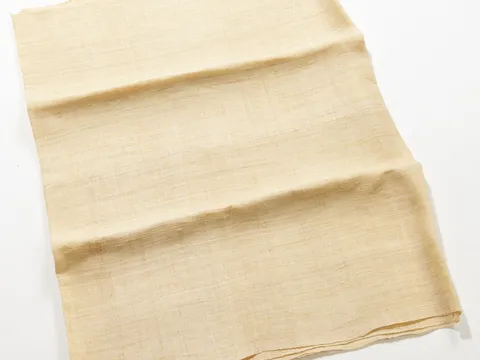
Korea dresses its dead, and those who mourn them, in hemp cloth. The plant that makes it has been tightly controlled since 1976.
Read the entry →
Datasets not part of the score
What other organisations publish about South Korea, and where it stands among the countries each one covers. Each dataset has a page of its own, with a world map and every country's figure.
Use
UNODC · 2004
Cannabis use
0.29%of people aged 15–64
ages 15–64 · survey 2004 · 100,000 people · UNODC 2026
Source Survey ages and years vary, and some surveys include children. Rates are not age-standardised; do not compare countries directly.WHO, Our World in Data · 2020
Alcohol drunk per person
7.79litres of pure alcohol a year
10.93 · 200010.93 · 200110.71 · 20029.96 · 20039.79 · 20049.51 · 20059.45 · 20069.54 · 20079.58 · 20089.53 · 20099.38 · 20109.37 · 20119.33 · 20129.05 · 20138.81 · 20148.52 · 20158.47 · 20168.29 · 20178.19 · 20188.19 · 20197.79 · 202020002020 Higher than 73% of 187 countriesLowestHighestper person aged 15 or over · 2020 · 10.93 in 2000 · 9.38 in 2010
Law
UNODC · 2022
Police contact for drug use or possession
18per 100,000 people
24 · 202018 · 202220202022 Higher than 29% of 101 countriesFewerMore9,521 people in 2022 · all drugs together
UNODC · 2024
Cannabis seized
104kg in 2024
24 · 201576 · 201641 · 201785 · 201940 · 202091 · 202181 · 2022117 · 2023104 · 202420152024 Higher than 11% of 163 countriesLess seizedMore seized99 kg of herb · 5 kg of resin · 24 kg in 2015 · 40 kg in 2020
Society
Pew Research Center · 2025
Is using marijuana morally wrong?
80%call it immoral
Higher than 80% of 25 countriesFewer disapproveMore disapprove6% acceptable · 12% not a moral issue · 1,042 people asked
OpenAlex · 2025
Research on cannabis
1.8papers per million people
0.0 · 19740.0 · 19910.0 · 19920.0 · 19930.0 · 19940.1 · 19950.0 · 19960.1 · 19970.0 · 19980.0 · 19990.1 · 20000.0 · 20030.0 · 20040.2 · 20050.1 · 20060.1 · 20070.3 · 20080.3 · 20090.3 · 20100.4 · 20110.5 · 20120.4 · 20130.4 · 20140.5 · 20150.5 · 20160.5 · 20170.7 · 20181.0 · 20191.0 · 20200.9 · 20211.0 · 20221.4 · 20231.7 · 20241.8 · 202519742025 Higher than 63% of 176 countriesLowestHighest92 papers in 2025 · 16 in 2010
Cato and Fraser Institutes · 2023
Human Freedom Index
8.15of 10
8.14 · 20008.19 · 20018.22 · 20028.24 · 20038.34 · 20048.40 · 20058.44 · 20068.47 · 20078.28 · 20088.25 · 20098.27 · 20108.27 · 20118.21 · 20128.21 · 20138.19 · 20148.18 · 20158.18 · 20168.39 · 20178.37 · 20188.33 · 20198.13 · 20208.09 · 20218.22 · 20228.15 · 202320002023 Higher than 79% of 164 countriesLess freeFreerrank #35 of 165 · personal freedom 8.59 · economic freedom 7.53
V-Dem, Our World in Data · 2025
Civil liberties
0.91of 1 in 2025
0.21 · 19000.21 · 19010.21 · 19020.21 · 19030.20 · 19040.20 · 19050.20 · 19060.20 · 19070.20 · 19080.20 · 19090.12 · 19100.11 · 19110.11 · 19120.11 · 19130.11 · 19140.11 · 19150.11 · 19160.11 · 19170.11 · 19180.11 · 19190.11 · 19200.11 · 19210.11 · 19220.11 · 19230.11 · 19240.11 · 19250.11 · 19260.11 · 19270.11 · 19280.11 · 19290.11 · 19300.11 · 19310.11 · 19320.11 · 19330.11 · 19340.11 · 19350.11 · 19360.11 · 19370.11 · 19380.10 · 19390.10 · 19400.08 · 19410.08 · 19420.08 · 19430.08 · 19440.27 · 19450.46 · 19460.44 · 19470.46 · 19480.46 · 19490.38 · 19500.37 · 19510.37 · 19520.41 · 19530.48 · 19540.48 · 19550.48 · 19560.48 · 19570.49 · 19580.49 · 19590.66 · 19600.45 · 19610.43 · 19620.45 · 19630.47 · 19640.45 · 19650.45 · 19660.45 · 19670.45 · 19680.45 · 19690.45 · 19700.45 · 19710.39 · 19720.39 · 19730.38 · 19740.38 · 19750.38 · 19760.38 · 19770.38 · 19780.38 · 19790.46 · 19800.41 · 19810.45 · 19820.46 · 19830.48 · 19840.51 · 19850.52 · 19860.64 · 19870.80 · 19880.84 · 19890.85 · 19900.85 · 19910.85 · 19920.90 · 19930.90 · 19940.90 · 19950.90 · 19960.90 · 19970.92 · 19980.93 · 19990.93 · 20000.93 · 20010.93 · 20020.93 · 20030.93 · 20040.93 · 20050.93 · 20060.93 · 20070.89 · 20080.89 · 20090.89 · 20100.89 · 20110.89 · 20120.88 · 20130.88 · 20140.88 · 20150.88 · 20160.93 · 20170.93 · 20180.92 · 20190.92 · 20200.93 · 20210.91 · 20220.88 · 20230.83 · 20240.91 · 202519002025 Higher than 83% of 175 countriesFewer libertiesMore liberties0.11 in 1925 · 0.45 in 1961 · 0.85 in 1990
Our World in Data, World Bank · 2025
Population
51,684,564people in 2025
9,687,522 · 19009,911,592 · 191011,464,533 · 192013,456,220 · 193015,330,291 · 194019,757,319 · 195026,115,388 · 196032,542,203 · 197038,141,109 · 198044,081,425 · 199046,766,660 · 200048,769,329 · 201051,858,481 · 202051,684,564 · 202519002025 Higher than 85% of 196 countriesLowestHighest9,687,522 in 1900 · 19,757,319 in 1950 · 46,766,660 in 2000
CEPII
Former colonial rulers
Once ruled by Japan
World Bank · 2025
Government effectiveness
83of 100
68 · 199659 · 199865 · 200073 · 200272 · 200371 · 200473 · 200572 · 200676 · 200772 · 200874 · 200978 · 201079 · 201180 · 201277 · 201377 · 201477 · 201577 · 201677 · 201780 · 201884 · 201984 · 202085 · 202182 · 202283 · 202381 · 202483 · 202519962025 Higher than 90% of 195 countriesLowestHighestestimate 1.50 on a scale of −2.5 to 2.5 · 2025 · 65 in 2000 · 77 in 2015
Transparency International · 2024
Corruption Perceptions Index
64of 100
56 · 201255 · 201355 · 201454 · 201553 · 201654 · 201757 · 201859 · 201961 · 202062 · 202163 · 202263 · 202364 · 202420122024 Higher than 84% of 178 countriesLowestHighest0 highly corrupt, 100 very clean · 2024 · 54 in 2015 · 61 in 2020
Pew Research Center · 2020
Most common religion
Religiously Unaffiliated
the largest group · 2020
World Bank · 2025
Income per person
$55,697per person
14,378 · 199015,784 · 199116,613 · 199217,596 · 199319,052 · 199420,698 · 199522,140 · 199623,311 · 199722,000 · 199824,382 · 199926,404 · 200027,441 · 200129,395 · 200230,142 · 200331,580 · 200432,886 · 200534,430 · 200636,257 · 200737,064 · 200837,176 · 200939,574 · 201040,719 · 201141,538 · 201242,710 · 201343,807 · 201444,849 · 201546,088 · 201647,537 · 201748,834 · 201849,791 · 201949,374 · 202051,718 · 202153,229 · 202254,029 · 202355,071 · 202455,697 · 202519902025 Higher than 86% of 187 countriesLowestHighestat purchasing power parity, 2021 dollars · 2025 · $14,378 in 1990 · $39,574 in 2010
Wikimedia · 2026.792
Views of the cannabis article on Wikipedia
24page views in 2026–10
3,464 · 20152,958 · 20153,185 · 20153,135 · 20153,032 · 20152,987 · 20152,812 · 20162,986 · 20163,247 · 20164,860 · 20163,748 · 20164,567 · 20162,607 · 20162,401 · 20162,408 · 20163,289 · 20163,614 · 20162,997 · 20162,843 · 20172,526 · 20172,554 · 20172,893 · 20174,069 · 201718,864 · 20174,107 · 20172,580 · 20172,560 · 20172,386 · 20172,279 · 20172,497 · 20173,339 · 20182,200 · 20181,951 · 20181,999 · 20182,681 · 20182,389 · 20182,096 · 20182,134 · 20182,184 · 20183,421 · 20183,681 · 20183,478 · 20183,278 · 20193,218 · 20194,007 · 20195,935 · 20195,977 · 20194,811 · 20193,320 · 20193,006 · 20193,651 · 20193,362 · 20193,347 · 20192,981 · 20192,706 · 20202,800 · 20202,519 · 20202,794 · 20203,267 · 20202,890 · 20202,817 · 20202,870 · 20203,967 · 20204,488 · 20204,527 · 20205,451 · 20204,477 · 20213,847 · 20214,225 · 20214,301 · 20214,894 · 20214,187 · 20213,951 · 20214,585 · 20213,413 · 20213,687 · 20213,774 · 20213,344 · 20212,500 · 20222,297 · 20222,960 · 20223,872 · 20224,269 · 20223,890 · 20223,950 · 20223,314 · 20224,204 · 20224,305 · 20223,555 · 20222,955 · 20223,050 · 20233,319 · 20233,538 · 20233,654 · 20233,563 · 20232,689 · 20232,840 · 20234,103 · 20234,696 · 20236,804 · 20233,732 · 20232,829 · 20232,094 · 20241,642 · 20241,904 · 20242,743 · 20243,353 · 20242,502 · 20242,753 · 20242,628 · 20242,466 · 20242,445 · 20242,579 · 20242,057 · 20241,989 · 20252,034 · 20251,724 · 20251,856 · 20252,088 · 20251,974 · 20251,272 · 20251,178 · 2025911 · 2025916 · 2025914 · 20251,232 · 20251,314 · 20261,075 · 20261,266 · 20261,189 · 20261,115 · 20261,067 · 20261,060 · 2026906 · 20261,045 · 202624 · 202620152026 Higher than 50% of 26 countriesLowestHighest대마초 · ko Wikipedia
World Bank · 2024
Development indicators
97.9%use the internet
0% · 19900% · 19910.1% · 19920.2% · 19930.3% · 19940.8% · 19951.6% · 19963.6% · 19976.8% · 199823.6% · 199944.7% · 200056.6% · 200159.4% · 200265.5% · 200372.7% · 200473.5% · 200578.1% · 200678.8% · 200781% · 200881.6% · 200983.7% · 201083.8% · 201184.1% · 201284.8% · 201387.6% · 201489.9% · 201592.8% · 201695.1% · 201796% · 201896.2% · 201996.5% · 202097.6% · 202197.2% · 202297.4% · 202397.9% · 202419902024 Higher than 93% of 195 countriesLowestHighest81.2% live in towns · 19.3% aged 65+ · life expectancy 83.6 · higher education 111.9% · 2024 · 44.7% in 2000 · 83.7% in 2010
Plant and market
GBIF · 2024
Records of the cannabis plant
60dated records
1 · 18912 · 19083 · 19345 · 19356 · 19387 · 19478 · 195210 · 195616 · 195825 · 195926 · 196028 · 196133 · 196234 · 197035 · 197136 · 197237 · 197338 · 197439 · 197640 · 197743 · 198044 · 198245 · 198348 · 198449 · 198552 · 198653 · 199154 · 199955 · 200256 · 200757 · 201158 · 202059 · 202260 · 202418912024 Higher than 70% of 128 countriesLowestHighest12 more without a date · 1 in 2024 · 26 by 1960
FAO · 2024
Hemp grown
11ha in 2024
7,126 · 19617,012 · 19626,586 · 19635,992 · 19645,630 · 19655,625 · 19666,002 · 19675,666 · 19685,829 · 19695,284 · 19703,872 · 19713,582 · 19723,317 · 19732,739 · 19742,062 · 1975458 · 1976512 · 1977510 · 1978510 · 1979700 · 1980800 · 1981800 · 1982800 · 1983750 · 1984720 · 1985560 · 1986312 · 1987545 · 1988381 · 1989322 · 1990296 · 1991250 · 1992200 · 1993180 · 1994200 · 1995200 · 1996230 · 1997150 · 1998160 · 1999140 · 2000130 · 2001120 · 200214 · 200317 · 200455 · 200517 · 200613 · 200711 · 20086 · 200910 · 201010 · 201110 · 201212 · 201312 · 201411 · 201512 · 201612 · 201711 · 201811 · 201911 · 202011 · 202111 · 202211 · 202311 · 202419612024 Higher than 28% of 39 countriesLowestHighest16 t of fibre · 7,126 ha in 1961 · 700 ha in 1980 · 140 ha in 2000
ClinicalTrials.gov · 2026
Clinical trials of cannabis medicines
3studies so far
1 · 20172 · 20182 · 20193 · 20203 · 20213 · 20223 · 20233 · 20243 · 20253 · 202620172026 Higher than 28% of 50 countriesLowestHighest0 actual starts in 2026 · as of 2026–10–26 · 3 by 2020
Enforcement 8 reports · the Cannabis Enforcement Tracker →
How the law above is applied: raids, seizures, fields destroyed, arrests and sentences, as recorded by the Cannabis Enforcement Tracker, our companion site.
- SentenceProsecutors seek 20 years for a yakuza who smuggled 646 kg of cannabis
A 53-year-old Japanese-Korean yakuza member went on trial at Suwon for shipping about 636 kg of cannabis from Thailand to Incheon port in March 2026 as part of a 646 kg smuggling operation; prosecutors called it the…
- ArrestSouth Korea's coast guard arrests 249 poppy and cannabis growers
A four-month sweep from April to July 2026 caught 236 poppy growers and 13 cannabis growers, seizing 29,438 poppy plants, 37 cannabis plants and 5.5 kg of cannabis.
- ArrestCousins grew cannabis in rented Yongin villas and sold it online
Two cousins grew cannabis under LEDs and climate gear in two rented Yongin homes from last October to July, selling marijuana, jelly and liquid online for up to 1 million won a time.
- ArrestSouth Korea's cannabis arrests fall by a quarter as smuggling hits a record
The 2025 drug crime white paper recorded 2,459 cannabis offenders, down 25.9% from 3,317 in 2024 and 4,085 in 2023; use fell to 1,016 while smuggling rose to 335.
- SeizureSouth Korea blocks 22 imported 'hemp' foods after finding drugs
The food and drug ministry tested 32 overseas-purchase products marketed with cannabis, hemp or kanna and found controlled substances in 22 of them, including cannabis compounds and the temporary narcotic mesembrine.
- ProsecutionSouth Korea indicts 12 people for growing cannabis at home
The joint drug headquarters indicted 12 people, six of them detained, after a four-month sweep of home and factory grows; those charged included a hip-hop group member, an English teacher and a composer.
- SeizureSouth Korea launches a joint drug investigation headquarters
The government set up a joint drug-crime investigation headquarters bringing prosecutors, police, customs and the intelligence service together, after smuggling and online sales rose.
- ArrestSouth Korea's 2023 drug arrests pass 20,000 for the first time
The prosecution service's yearly report recorded 27,611 people caught for drug offences in 2023, half as many again as the 18,395 of 2022.
History 29 of 29 checked against a source
Score and entries per decade
3 today, from 100 before its first recorded change
This country's score Entries that moved the score Context only
20263 entries0 score changes
Debate ✓
South Korea's drug regulator says it is reviewing wider medical CBD use
At a National Assembly audit, food and drug safety commissioner Oh Yu-kyung said the agency was reviewing an expansion of medical CBD for rare and essential diseases, while food and cosmetics uses needed more consideration. The remark followed 2026 bills to allow domestic CBD production and pressure on the imported supply of Epidiolex. No rule had changed by 28 October 2026.
Hemp ✓
South Korean lawmakers propose a 0.3% THC line for hemp
Democratic lawmaker Park Ji-won introduced a Hemp Industry Promotion Act defining hemp as Cannabis sativa with no more than 0.3% THC by dry weight, plus a companion amendment removing hemp and hemp products from the narcotics definition. The bill would license cultivation, testing and product sales under food, cosmetics and medicine rules. It followed earlier PPP bills on CBD and medical production; none had passed by 28 October 2026.
Debate ✓
South Korean lawmakers propose domestic medical cannabis production
PPP lawmakers Kim Hyung-dong and Shin Sung-bum introduced amendments to allow domestic production of CBD and medical cannabis and to exclude CBD from the cannabis definition; a Democratic bill from March 2026 was also pending. The food and drug ministry said it supported a managed domestic supply, but no bill had passed by October 2026. Patients still imported Epidiolex through the orphan-drug centre.
20253 entries0 score changes
Medical ✓
Andong breaks ground on a hemp API plant for medical cannabis
Gyeongbuk province began building a GMP facility in the Andong hemp zone to make pharmaceutical-grade CBD from locally grown hemp, due by 2027. The province said the plant was needed to certify and export hemp-derived active ingredients; domestic medical cannabis production still required a law change. The facility was part of the zone's plan to move from raw hemp to medicine.
Medical ✓
South Korea shelves a plan to widen medical cannabis production
The food and drug ministry confirmed it had stopped a 2022 regulatory innovation task that would have allowed broader manufacturing and import of cannabis medicines beyond the narrow patient-by-patient route. It said rising drug arrests made wider access a bad signal. Patients remained dependent on imported Epidiolex through the Korea Orphan and Essential Drug Center.
Hemp ✓
South Korea's top court rules CBD is cannabis wherever it is extracted from
The Supreme Court held in case 2022두60776 that CBD, CBN and THC are themselves 'cannabis' under the Narcotics Control Act, even when extracted from seeds, roots or mature stalks, parts the Act otherwise excludes. The food and drug ministry then warned that possessing, eating, importing or selling CBD products is punishable, ending the grey market in hemp-derived CBD. The ruling did not change the Act; it fixed the meaning of its existing definition.
20241 entry0 score changes
20231 entry0 score changes
20211 entry0 score changes
20201 entry0 score changes
20183 entries1 score change
Medical ✓
South Korea allows imported cannabis medicines
The National Assembly allowed a small number of cannabis-derived medicines to be imported for patients with rare diseases, through a state agency. It was the first country in East Asia to do so.
23+1 point
Enforcement ✓
South Korea warns its citizens not to use cannabis in Canada
The day before Canada legalised cannabis, the Korean embassy there posted a warning that Korean citizens who use, buy, possess or carry cannabis abroad can be punished under Korean law when they return, even where it is legal. Recreational use carries up to five years in prison or a fine of up to 50 million won.
Medical ✓
A Korean lawmaker proposes allowing cannabis medicines
Shin Chang-hyun introduced a bill to permit the medical use of cannabis with the approval of the Ministry of Food and Drug Safety. In July the ministry backed the change and said it would allow Epidiolex, Marinol and Sativex. The National Assembly passed it on 23 November.
20171 entry0 score changes
20091 entry0 score changes
20051 entry0 score changes
20041 entry0 score changes
20001 entry0 score changes
19981 entry0 score changes
19801 entry0 score changes
19761 entry1 score change
19751 entry1 score change
19731 entry0 score changes
19701 entry1 score change
19621 entry0 score changes
19571 entry1 score change
19461 entry0 score changes
19351 entry0 score changes
19191 entry0 score changes
Sources hover a number in the text to see its source
- Cited
- 20
- Websites
- 19
- Last reviewed
- History checked
- 29/29
Most cited
- koreatimes.co.kr2
- bigcase.ai1
- biz.chosun.com1
- data.unodc.org1
- en.fnnews.com1
- filtermag.org1
All 22 sources
- Seoul Law Group — Is cannabis legal in Korea?archived
- South Korea — Narcotics Control Act, current from 2 October 2026Articles 58(1)(5), 58(2) and 61; cannabis import/export versus simple possession
- Incheon Airport Customs — prohibited narcotics, cannabis and CBD productsCannabis, cannabis resin, vape cartridges and CBD oil; passenger and postal controlsarchived
- The Korea Times — Koreans who smoke weed overseas to face criminal charges, government warns (2024)archived
- South Korea Supreme Prosecutors' Office — 2025 drug crime white paper (28 July 2026)2,459 cannabis offenders in 2025; 128.6 kg herb; 5.6 kg resin; no life or death sentence.
- Filter — Why South Korean and Japanese people still can't legally smoke weed in Canadaarchived
- Ministry of Food and Drug Safety — Applications to import cannabis medicines for self-treatment (12 March 2019)archived
- The Korea Times — Customs service warns against products containing marijuana (2024)archived
- South Korea — Epidiolex reimbursement from April 2021Dravet and Lennox–Gastaut; five prior drugs.archived
- Chosun Biz — Medical cannabis prescriptions and the 2026 review (16 September 2026)About 300 prescriptions a month in early 2026.archived
- News Tomato — MFDS halts the medical cannabis expansion plan (31 October 2025)Plan halted; rising drug arrests cited.archived
- Narcotics Control Act, English text as notified to the WTO (30 October 2019, PDF)archived
- Asia Economy — report on the designation of the Gyeongbuk industrial hemp zone (7 July 2020)archived
- Gyeongbuk — Andong hemp regulation-free zone extended to 2027 (25 November 2024)Extension to 2027.
- South Korea Supreme Court — 2022두60776, CBD and cannabis definition (29 May 2025)Cannabinoids extracted from seeds, roots or mature stalks are still cannabis.archived
- Yonhap — Andong GMP hemp API plant breaks ground (17 December 2025)CBD API plant; December 2025.archived
- UNODC Data Portal — Drug seizures, reported seizures in kilogram equivalents (World Drug Report data)archived
- South Korea — Immigration Act, articles 11 and 46Deportation after imprisonment; five-year entry ban.archived
- The Financial News — police announce tougher drug-driving penalties under the amended Road Traffic Act (14 January 2026)archived
- International Narcotics Control Board — Travellers carrying medicines containing controlled substances