Afghanistan
1/100
#186 of 196 worldwide
#40 of 48 in Asia
Cannabis is banned, and the Taliban's 2026 Penal Code for Courts sets fixed terms of six months to seven years for use, possession, cultivation and trafficking. There is no death penalty for cannabis in the code, but courts also impose flogging.
In short all countries →
- Can I carry it?NoIt is a crime
- Can I grow it?NoIt is a crime
- Can I buy it?NoThere is no legal source
- Can I use it in public?NoNot in public, and even at home the law does not protect it
- What if I'm caught?Severe punishmentLong sentences or worse
A rough guide read from the scores and the rules below, not legal advice. The details and the exceptions are in each segment: select an answer to jump to it.
Cannabis in Afghanistan not part of the score · all 15 datasets ↓
Who uses it
About 1 in 26
people aged 15+ in Afghanistan used cannabis in the past year: 960,000 people.
- Past year
- 3.8%
- Asia median
- 2%
UNODC · survey 2015
Source Past-year cannabis use among people aged 15+. People who used cannabis in the past year, from a 2015 survey, applied to today's population aged 15+.Survey ages and years vary, and some surveys include children. Rates are not age-standardised; do not compare countries directly.
UNODC World Drug Report 2026, annex table 1.2. Population from the World Bank, aged 15+. The whole dataset →
Use across Asia
7thhighest of 40 surveyed countries
- 🇧🇹 Bhutan4.2%
- 🇺🇿 Uzbekistan4.2%
- 🇦🇫 Afghanistan3.8%
- 🇵🇰 Pakistan3.6%
- 🇦🇲 Armenia3.5%
Past-year use, latest survey of each. Survey years and ages differ. On the map →
Cannabis in figures
- Police contact for drug use or possession219per 100,000 people · 2023
- Cannabis seized24kg in 2024 · 2024
- Research on cannabis0.0papers per million people · 2025
- Cannabis in the news0%of global news: cannabis articles from here · 2025
The dot: where it stands among the countries each dataset covers, lowest to highest. All datasets ↓
Score breakdown 1/100 · how the scores are made
Neighbours
- 🇹🇯 Tajikistan13
- 🇺🇿 Uzbekistan11
- 🇵🇰 Pakistan10
- 🇨🇳 China10
- 🇮🇷 Iran6
- 🇹🇲 Turkmenistan2
- 🇦🇫 Afghanistan1
The Taliban's Penal Code for Courts, signed on 4 January 2026, now sets the narcotics penalties. Article 101 grades sale and possession of hashish by weight: up to 5 g brings one year, over 5 g up to 30 g two years, over 30 g up to 100 g two and a half years, and over 100 g six months for each additional 100 g, capped at seven years.[1] Simple use is a separate six-month offence under article 102.[1] The 2010 law's exemption for a certified addict holding up to 50 g of hashish is legacy; the 2026 code's only exemption is a general certificate under article 114, and no cannabis exemption programme was found.[2][1] Offenders also face flogging in practice.[3]
| Amount | What happens | Punishment | Fine |
| Sale or possession, up to 5 g hashish (article 101) | CriminalPossession | Up to 1 year | — |
| Over 5 g up to 30 g hashish | CriminalPossession | Up to 2 years | — |
| Over 30 g up to 100 g hashish | CriminalPossession | Up to 30 months | — |
| Over 100 g hashishSix months for each additional 100 g, capped at seven years | CriminalPossession | 3–7 years | — |
Article 94 of the 2026 code grades cannabis cultivation by area: under half a jerib (about 0.1 hectare) brings six months, half a jerib nine months, over half up to one jerib one year, and over one jerib one year plus six months for each extra jerib and ten days for each extra half-jerib, capped at seven years.[1] The crop is destroyed.[1] The 2023 Taliban decree banning cultivation nationwide remains in force.[3]
| Amount | What happens | Punishment | Fine |
| Under half a jerib | CriminalCultivation | Up to 6 months | — |
| Half a jerib | CriminalCultivation | Up to 9 months | — |
| Over half up to one jerib | CriminalCultivation | Up to 1 year | — |
| Over one jeribSix months per extra jerib and ten days per extra half-jerib, capped at seven years | CriminalCultivation | 18 months – 7 years | — |
Sharia punishments including flogging are applied alongside the code: hashish remains widely used, and the cultivation ban has been enforced less thoroughly than the opium ban.[4] In 2025 Kabul courts imposed prison terms and 10 to 39 lashes in several hashish cases.[5] The 2026 code's narcotics chapter has no life sentence or death penalty for cannabis, though the general article 14 "spreaders of disorder" clause could in theory be used in an extreme case; no cannabis case using it was found.[1]
Article 101 applies the hashish sale-and-possession scale to dealing: one year up to 5 g, two years up to 30 g, two and a half years up to 100 g, and six months for each further 100 g, capped at seven years.[1] Transport inside Afghanistan under article 95 runs from one year under 1 kg to three years for 5–30 kg, then one year for each extra 20 kg, and import under article 99 reaches seven years with one year for each extra 10 kg above 30 kg.[1] Repeat offences double the sentence and the vehicle is burned.[1] There is no life sentence or death penalty for cannabis trafficking in the 2026 code.[1]
| Amount | What happens | Punishment | Fine |
| Sale or possession, up to 5 g hashish | CriminalTrafficking | Up to 1 year | — |
| Over 5 g up to 30 g hashish | CriminalTrafficking | Up to 2 years | — |
| Over 30 g up to 100 g hashish | CriminalTrafficking | Up to 30 months | — |
| Transport, 5–30 kg hashish (article 95)One year under 1 kg, two years for 1–5 kg, then one year per extra 20 kg above 30 kg, capped at seven years | CriminalTransport | Up to 3 years | — |
| Import, 5–30 kg hashish (article 99)One year under 1 kg, two years for 1–5 kg, then one year per extra 10 kg above 30 kg, capped at seven years | CriminalImport | Up to 3 years | — |
Use is a six-month offence under article 102 of the 2026 code, with no fine.[1] The 2010 law's exemption for a certified addict holding up to 50 g of hashish is legacy, and the 2026 code replaces it with a general exemption certificate that no cannabis programme operates.[2][1] In practice users are also detained in compulsory treatment camps and flogged.[4][3]
| Amount | What happens | Punishment | Fine |
| Use (article 102)No fine; flogging and compulsory treatment also reported | CriminalUse | Up to 6 months | — |
Context not part of the score · every country, by topic →
There is no legal way to get cannabis. Hashish remains widely used despite the bans: offenders are tried by sharia courts, facing imprisonment and flogging, and drug users have been rounded up into compulsory treatment camps.[3][4] A 2025 Taliban ruling gave seven months to three and a half years plus lashes in a hashish trafficking case.[5]
No medical cannabis programme or patient supply was found.[6] The 2010 law allowed government licences for medical and scientific work but listed cannabis as prohibited, and the 2026 code's only paper route is a general article 114 exemption certificate.[2][1] The 2023 cultivation ban leaves no lawful production route.[3]
No cannabis clubs are known, and the law leaves no room for them: growing cannabis and supplying it to another person are both prohibited.[3][2]
The 2010 law controlled the cannabis plant and made no seed exception; sowing was cultivation and carried the Article 41 penalties.[2] Clones are plants, so keeping or trading them falls under the same ban, and the 2023 decree prohibits cultivation outright.[2][3] No seed-sale or clone market was found.
No industrial-hemp exception, THC limit or licensing scheme was found. The 2023 decree bans cannabis cultivation, and neither the 2010 law nor the 2026 code distinguishes fibre hemp.[3][2][1]
No licensed production exists. The 2010 law allowed cultivation only under its penalty scale, and the 2023 Taliban decree bans it outright.[2][3] A pre-2021 plan for a licensed medical cannabis project came to nothing.[4]
Afghanistan long ranked among the world's largest hashish producers; a 2023 Taliban decree banned all cannabis cultivation, with crops destroyed and growers sent to court.[3] The ban has been enforced less thoroughly than the opium ban, and hashish remains widely used.[4] No recent national production or price figures were found.
There is no legal recreational supply for anyone. Possession is illegal; under the Taliban offenders are tried by sharia courts, with imprisonment and flogging.[6][3] The law makes no exception for visitors.[2]
No cannabis-specific driving offence or THC limit was found in the last codified drug law or in the Taliban decrees read.[2][3] The status is left unverified rather than treating a general traffic rule as a drug-driving offence.
No independent national cannabis series exists. The Taliban said in October 2026 that they had carried out more than 8,000 anti-drug operations and arrested more than 10,000 people, figures that cover all drugs and are not independently verified.[7] The Afghanistan Justice Archive recorded Kabul cases in 2025 in which 11 and 17 people were sentenced for hashish and tablet offences, with prison terms of seven months to three and a half years and lashes.[5]
A drug offence can bring imprisonment and flogging, and users can be detained in compulsory treatment camps.[4] A 2025 trafficking case ended with prison terms of seven months to three and a half years and 10 to 39 lashes for eleven people.[5]
Afghanistan has a charas and hashish tradition: manufacture by sieving probably dates back to the nineteenth century, and growing cannabis and trading charas was a major economic asset around Balkh and the Khyber at the turn of the twentieth century.[8] Babur described eating majoun, a hashish confection, in his memoirs; nineteenth-century travellers from Elphinstone to Ferrier record Afghans drinking bhang and smoking chillums.[8] The Hindu Kush gave its name to kush, and Afghan hashish plants were carried to California in the 1970s; the old farmers' populations are landraces.[8] The botanical vocabulary of indica and sativa also drew on Afghan drug types, which eighteenth- and nineteenth-century botanists placed under *Cannabis indica*.[8] Chicken Street in Kabul became the travellers' quarter where the hashish trade met foreign customers and diplomatic pressure.[8]
Afghan hemp has a documented wild-to-crop story: Vavilov observed that hemp farmers collected seeds from wild Afghan types to enrich their fields, and Clarke traces hashish from *Cannabis indica* forma *afghanica* in the north to a first report in 1965.[8]
Taking cannabis into or out of Afghanistan is a separate offence from possessing it, normally charged as smuggling or trafficking, with far heavier penalties. That holds almost everywhere, including between two places where cannabis is legal.
A prescription or medical card from another country is generally not recognised. Travellers who need a cannabis-based medicine should ask Afghanistan's embassy before travelling.[9]
General guidance that applies to almost every country, not a check of Afghanistan's customs rules.
Culture the atlas →
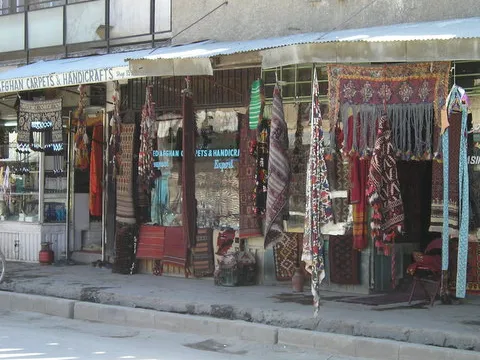
 LanguageHashishArabic for dried grass. The word for cannabis resin from Morocco to Afghanistan.
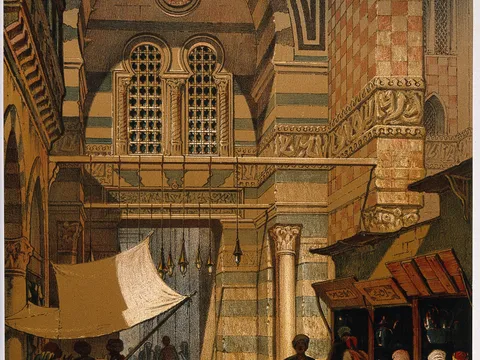
 TraditionsChicken StreetKabul's travellers' quarter became a meeting place on the hippie trail, where an existing Afghan hashish trade encountered new foreign customers and new diplomatic pressure.
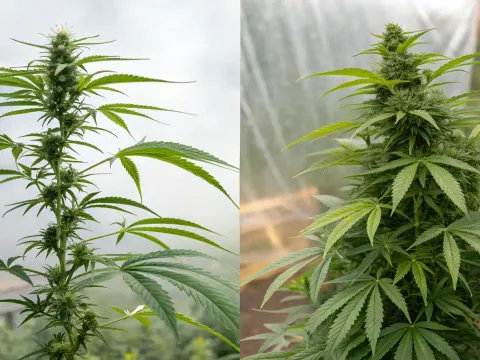 LanguageIndica and sativaTwo Latin names from eighteenth-century botany that became the vocabulary of the modern cannabis shop. Botanists now doubt they name different things at all.
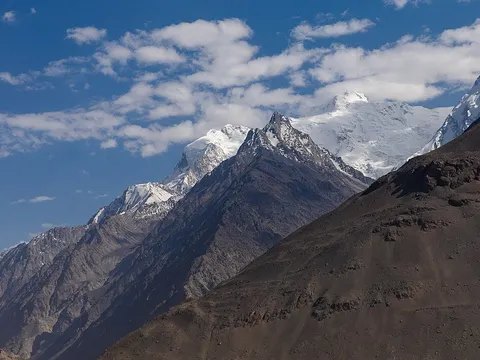 LanguageKushNamed after the Hindu Kush, the mountains whose hashish plants were carried to California in the 1970s. It became the most famous strain name in the world, and, in Sierra Leone, the name of something else entirely.
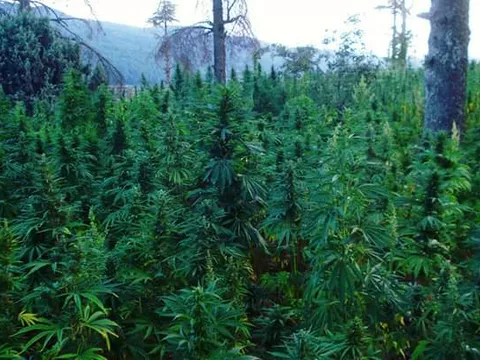 LanguageLandraceA farmers' variety, kept by saving seed in the place where it grows rather than bred to a standard. The word came from German agronomy and, in cannabis, names the old local populations of the hashish and ganja regions, many of them lost to hybrids and eradication. Morocco now licenses its own, beldiya.
Datasets not part of the score
What other organisations publish about Afghanistan, and where it stands among the countries each one covers. Each dataset has a page of its own, with a world map and every country's figure.
Use
UNODC · 2015
Cannabis use
3.8%of people aged 15+
3.59% · 20054.28% · 20093.8% · 201520052015 ages 15+ · survey 2015 · 960,000 people · UNODC 2026
Source Survey ages and years vary, and some surveys include children. Rates are not age-standardised; do not compare countries directly.WHO, Our World in Data · 2020
Alcohol drunk per person
0.01litres of pure alcohol a year
0.00 · 20000.00 · 20010.01 · 20020.02 · 20030.02 · 20040.03 · 20050.03 · 20060.03 · 20070.03 · 20080.02 · 20090.01 · 20100.01 · 20110.00 · 20120.00 · 20130.00 · 20140.01 · 20150.01 · 20160.02 · 20170.02 · 20180.02 · 20190.01 · 202020002020 Higher than 3% of 187 countriesLowestHighestper person aged 15 or over · 2020 · 0.00 in 2000 · 0.01 in 2010
Law
UNODC · 2023
Police contact for drug use or possession
219per 100,000 people
Higher than 83% of 101 countriesFewerMore95,855 people in 2023 · all drugs together
UNODC · 2024
Cannabis seized
24kg in 2024
163,059 · 2015352,117 · 201636,827 · 2017177,538 · 2018499,545 · 2019422,658 · 2020218,949 · 202111,568 · 202218,083 · 202324 · 202420152024 Higher than 5% of 163 countriesLess seizedMore seized24 kg of resin · 163,059 kg in 2015 · 422,658 kg in 2020
Society
OpenAlex · 2025
Research on cannabis
0.0papers per million people
0.0 · 20120.0 · 20210.1 · 20230.0 · 202520122025 Higher than 5% of 176 countriesLowestHighest2 papers in 2025
V-Dem, Our World in Data · 2025
Civil liberties
0.04of 1 in 2025
0.09 · 19000.09 · 19010.14 · 19020.14 · 19030.14 · 19040.14 · 19050.14 · 19060.14 · 19070.14 · 19080.14 · 19090.15 · 19100.15 · 19110.15 · 19120.15 · 19130.15 · 19140.15 · 19150.15 · 19160.15 · 19170.15 · 19180.16 · 19190.25 · 19200.25 · 19210.25 · 19220.25 · 19230.25 · 19240.26 · 19250.26 · 19260.26 · 19270.26 · 19280.26 · 19290.23 · 19300.23 · 19310.23 · 19320.25 · 19330.27 · 19340.27 · 19350.27 · 19360.27 · 19370.27 · 19380.27 · 19390.27 · 19400.27 · 19410.27 · 19420.27 · 19430.27 · 19440.27 · 19450.28 · 19460.28 · 19470.28 · 19480.28 · 19490.28 · 19500.28 · 19510.27 · 19520.27 · 19530.27 · 19540.27 · 19550.27 · 19560.27 · 19570.27 · 19580.27 · 19590.27 · 19600.27 · 19610.27 · 19620.28 · 19630.32 · 19640.33 · 19650.34 · 19660.34 · 19670.34 · 19680.34 · 19690.34 · 19700.34 · 19710.32 · 19720.26 · 19730.21 · 19740.21 · 19750.21 · 19760.20 · 19770.10 · 19780.07 · 19790.08 · 19800.08 · 19810.08 · 19820.08 · 19830.08 · 19840.08 · 19850.08 · 19860.08 · 19870.08 · 19880.08 · 19890.07 · 19900.07 · 19910.07 · 19920.08 · 19930.08 · 19940.08 · 19950.03 · 19960.03 · 19970.03 · 19980.03 · 19990.03 · 20000.08 · 20010.52 · 20020.55 · 20030.54 · 20040.54 · 20050.54 · 20060.54 · 20070.53 · 20080.54 · 20090.54 · 20100.54 · 20110.54 · 20120.53 · 20130.52 · 20140.52 · 20150.49 · 20160.50 · 20170.51 · 20180.49 · 20190.50 · 20200.11 · 20210.04 · 20220.04 · 20230.04 · 20240.04 · 202519002025 Higher than 1% of 175 countriesFewer libertiesMore liberties0.26 in 1925 · 0.27 in 1961 · 0.07 in 1990
Our World in Data, World Bank · 2025
Population
43,844,111people in 2025
4,707,744 · 19005,504,191 · 191010,188,845 · 19206,626,142 · 19306,468,510 · 19407,776,180 · 19509,035,048 · 196011,290,134 · 197013,169,313 · 198012,045,664 · 199020,130,334 · 200028,284,088 · 201039,068,977 · 202043,844,111 · 202519002025 Higher than 82% of 196 countriesLowestHighest4,707,744 in 1900 · 7,776,180 in 1950 · 20,130,334 in 2000
CEPII
Former colonial rulers
Once ruled by
World Bank · 2025
Government effectiveness
12of 100
3 · 19963 · 19983 · 20008 · 20028 · 200328 · 200424 · 200518 · 200619 · 200719 · 200820 · 200920 · 201019 · 201121 · 201221 · 201322 · 201423 · 201524 · 201623 · 201719 · 201818 · 201917 · 202017 · 202112 · 20229 · 202312 · 202412 · 202519962025 Higher than 1% of 195 countriesLowestHighestestimate -1.97 on a scale of −2.5 to 2.5 · 2025 · 3 in 2000 · 23 in 2015
Transparency International · 2024
Corruption Perceptions Index
17of 100
8 · 20128 · 201312 · 201411 · 201515 · 201615 · 201716 · 201816 · 201919 · 202016 · 202124 · 202220 · 202317 · 202420122024 Higher than 7% of 178 countriesLowestHighest0 highly corrupt, 100 very clean · 2024 · 11 in 2015 · 19 in 2020
Pew Research Center · 2020
Most common religion
Muslims
the largest group · 2020
World Bank · 2024
Income per person
$1,964per person
1,618 · 20001,454 · 20011,774 · 20021,816 · 20031,777 · 20041,908 · 20051,930 · 20062,155 · 20072,192 · 20082,565 · 20092,849 · 20102,757 · 20112,985 · 20123,047 · 20133,018 · 20142,968 · 20152,959 · 20162,953 · 20172,902 · 20182,927 · 20192,770 · 20202,144 · 20211,982 · 20221,984 · 20231,964 · 202420002024 Higher than 5% of 187 countriesLowestHighestat purchasing power parity, 2021 dollars · 2024 · $2,849 in 2010
World Bank · 2024
Development indicators
16.1%use the internet
0% · 19900% · 20010% · 20020.1% · 20030.1% · 20041.2% · 20052.1% · 20061.9% · 20071.8% · 20083.5% · 20094% · 20105% · 20115.5% · 20125.9% · 20137% · 20148.3% · 201511% · 201613.5% · 201716.8% · 201817.6% · 201917% · 202016.5% · 202115.9% · 202215.9% · 202316.1% · 202419902024 Higher than 4% of 195 countriesLowestHighest25.7% live in towns · 2.4% aged 65+ · life expectancy 66.3 · 2024 · 4% in 2010
GDELT · 2025
Cannabis in the news
0%of global news: cannabis articles from here
0% · 20170% · 20180% · 20190% · 20200% · 20210% · 20220.0001% · 20230% · 20240% · 202520172025 Higher than 0% of 147 countriesLowestHighest2025 average, 348 days · 0% in 2018 · 0% in 2021
Plant and market
GBIF · 2024
Records of the cannabis plant
43dated records
1 · 18793 · 19244 · 19355 · 19376 · 19497 · 19509 · 195915 · 196516 · 196720 · 196925 · 197036 · 197137 · 197239 · 197340 · 197842 · 201343 · 202418792024 Higher than 68% of 128 countriesLowestHighest14 more without a date · 1 in 2024
Enforcement 8 reports · the Cannabis Enforcement Tracker →
How the law above is applied: raids, seizures, fields destroyed, arrests and sentences, as recorded by the Cannabis Enforcement Tracker, our companion site.
- ArrestThe Taliban claim 8,000 anti-drug operations and 10,000 arrests
The Interior Ministry's deputy minister for counter-narcotics said the ministry had carried out more than 8,000 operations against drug suspects in 2026 and arrested more than 10,000 people.
- SeizurePolice seize 245 kg of hashish in Panjshir
Anti-narcotics police stopped a shipment of 245 kilograms of hashish in the Kotol Anjuman area of Paryan district, Panjshir province, and arrested four people.
- SeizurePolice seize 300 kg of hashish in Helmand
Counter-narcotics police seized 300 kilograms of hashish in Helmand province and arrested four people, the Interior Ministry said.
- EradicationKandahar destroys almost a tonne of cannabis
Kandahar's anti-narcotics unit destroyed 993 kilograms of cannabis as part of more than 27 tonnes of drugs burned over five months in Arghandab district.
- SeizureThe Taliban burn 2.7 tonnes of cannabis in Uruzgan
The Interior Ministry said counter-narcotics officers found a 2,700-kilogram cannabis shipment in Chinaratu district of Uruzgan province and destroyed it by burning.
- SeizurePolice seize 222 kg of hashish in Badakhshan
Police in Kishim district, Badakhshan, arrested two people and seized 222 kilograms of hashish from a vehicle disguised as a livestock carrier.
- SentenceKabul court jails seventeen for cannabis, tablets and alcohol
Kabul's primary court for narcotics and intoxicants sentenced seventeen people to seven months to three and a half years in prison and 15 to 35 lashes for selling and trafficking narcotic tablets, alcohol and cannabis.
- SentenceTaliban court gives hashish traffickers prison and lashes
A Taliban court sentences eleven people for trafficking hashish and narcotic tablets to between seven months and three and a half years in prison, plus ten to thirty-nine lashes.[@1]
History 26 of 26 checked against a source
Score and entries per decade
1 today, from 100 before its first recorded change
This country's score Entries that moved the score Context only
20261 entry0 score changes
20241 entry0 score changes
20231 entry0 score changes
20221 entry0 score changes
20201 entry0 score changes
20181 entry0 score changes
20151 entry0 score changes
20102 entries0 score changes
Easing ✓ Article
Afghanistan lowers prison terms for hashish trafficking
Afghanistan's replacement drug law gave hashish its own trafficking penalty scale: more than one and up to five kilograms carried over six months to one year in prison, compared with one to three years and a fine under the earlier law. Larger quantities added prison time up to a ten-year ceiling for the ordinary offence. A person using or holding up to fifty grams for personal consumption was exempt from prosecution and referred to treatment if a medical examiner certified drug dependence.
Culture & science ✓
UN survey identifies Afghanistan as the world's largest hashish producer
The first joint UN and Afghan cannabis survey estimated that the 2009 crop produced 1,500–3,500 tonnes of cannabis resin, making Afghanistan the world's largest hashish producer. It estimated 10,000–24,000 hectares under cannabis, with high resin yields helping explain the scale of production. Farmers most often cited high prices and low cultivation costs as reasons for growing the crop.
20051 entry0 score changes
20021 entry0 score changes
20001 entry0 score changes
19991 entry0 score changes
19971 entry0 score changes
19922 entries0 score changes
International ✓
Afghanistan joins the 1988 UN convention against drug trafficking
Afghanistan ratified the United Nations Convention against Illicit Traffic in Narcotic Drugs and Psychotropic Substances of 1988 on 14 February 1992. Article 3 of the convention requires each party, subject to its constitutional principles, to make the possession, purchase and cultivation of drugs for personal consumption a criminal offence.
Other law ✓
Afghanistan publishes a drug-trafficking law as the republic collapses
President Najibullah's government published a law prohibiting illicit trafficking in narcotics and psychotropic substances on 20 January 1992, weeks before Kabul fell. It implemented the 1988 UN convention and referred to the convention's list of psychotropic substances. The law restated a ban that was already on the books and had little time to be enforced before the mujahideen took the capital.
19731 entry1 score change
19722 entries0 score changes
Enforcement ✓ Article
Afghanistan begins arresting drug smugglers in earnest
Bradford describes the transfer of counternarcotics work to the interior ministry and new anti-smuggling units amid American pressure over the hashish trade. Reported smuggler arrests rose from 72 in 1971 to 221 in 1972 and 584 in 1973. A December 18 US memorandum records new prime minister Musa Shafiq's commitment to stronger action; the annual totals should not all be attributed to his late-year government or treated as cannabis-only convictions.
Debate ✓ Article
The US embassy reports a press campaign for Afghan narcotics control
A confidential embassy telegram described circulating alarming foreign press reports to Afghan officials and editors to encourage narcotics enforcement. It documents the mission's persuasion campaign, including concern over hashish, rather than a new law or independent verification of the newspaper claims. The date is that of the embassy report.
19711 entry0 score changes
19701 entry0 score changes
19691 entry0 score changes
19631 entry0 score changes
19572 entries0 score changes
Ban ✓
Afghanistan adopts another nominal cannabis ban
A 1957 measure, reportedly adopted under American pressure, was not enforced, and hashish stayed openly available until the crackdown of 1973. It was not the country's first legal restriction: the 1924–1925 penal code had already forbidden domestic production and use.
International ✓
Afghanistan joins the 1925 Opium Convention
Afghanistan acceded to the International Opium Convention of 1925, as amended by the Protocol of 1946, on 29 January 1957. The convention, signed at Geneva, was the first treaty to put Indian hemp under international control.
19241 entry1 score change
Sources hover a number in the text to see its source
- Cited
- 9
- Websites
- 9
- Last reviewed
- History checked
- 26/26
Most cited
- 8am.media1
- afghanistan-analysts.org1
- afghanistanjustice.org1
- afghanstudiescenter.org1
- atlaspress.news1
- cannigma.com1
All 14 sources
- Afghanistan — Penal Code for Courts (Taliban), chapter 3, articles 94–116, signed 4 January 2026Articles 94–102, 109–116; cultivation, transport, import, sale/possession and use.archived
- Afghanistan — Law on Campaign against Intoxicants, Drugs and their Control, Official Gazette 1025 (14 June 2010)Articles 41 (cultivation), 46 (hashish trafficking), 47 (other listed substances, including herbal cannabis) and 57 (use and treatment exemption).archived
- Hasht-e Subh (8am.media) — The cultivation of marijuana in Afghanistan banned by Talibanarchived
- Environmental Peacebuilding library — What now for the Taleban and narcotics? A case study on cannabisarchived
- Afghanistan Justice Archive — Taliban court sentences eleven people for hashish and tablet trafficking (24 May 2025)archived
- The Cannigma — Cannabis laws in Afghanistanarchived
- AtlasPress — Taliban claim 8,000 anti-drug operations and 10,000 arrests (27 October 2026)archived
- Afghan Studies Center — The myth of Afghan Black, a cultural history of cannabis cultivation and hashish production in AfghanistanChars sieving probably 19th century; Balkh/Khyber trade; Babur's majoun; Elphinstone 1809, Masson 1842, Ferrier 1858; Vavilov wild-hemp observation; Clarke 1998 on forma afghanica, first report 1965.archived
- International Narcotics Control Board — Travellers carrying medicines containing controlled substances
Also consulted
- Xinhua — 222 kg of hashish seized in Badakhshan (14 December 2025)archived
- Xinhua — 993 kg of cannabis destroyed in Kandahar (18 February 2026)archived
- SATP — 2,700 kg of cannabis burned in Uruzgan (5 February 2026)archived
- NationPress — 300 kg of hashish seized in Helmand (5 April 2026)archived
- UNODC SHERLOC — Afghanistan drug law, cannabis-trafficking penaltiesarchived