Israel
25/100
#25 of 196 worldwide
#2 of 48 in Asia
Possession and use for personal consumption are administrative offences carrying a fixed fine, not a criminal record, but police issued no such fines between 2022 and 2025. Above 15 g the law presumes dealing unless the accused rebuts it; all growing and supply are criminal. Medical cannabis is legal and large: 145,758 active licences and prescriptions in June 2026.
In short all countries →
- Can I carry it?LimitedUsually no criminal charge for a small amount, but it can still be seized or penalised
- Can I grow it?NoIt is a crime
- Can I buy it?LimitedOn prescription, without great difficulty
- Can I use it in public?NoIn private only
- What if I'm caught?A light penaltyFor a small amount, usually a fine, a referral to treatment or nothing at all; prison is rare
A rough guide read from the scores and the rules below, not legal advice. The details and the exceptions are in each segment: select an answer to jump to it.
Cannabis in Israel not part of the score · all 21 datasets ↓
Who uses it
About 1 in 7
people aged 18–86 in Israel used cannabis in the past year: about 940,000 people.
- Past year
- 14.0%
- Asia median
- 2%
- Aged 15–16, 2014
- 6.0%
UNODC · survey 2020
Source Past-year cannabis use among people aged 18–86. People who used cannabis in the past year, from a 2020 survey, applied to today's population aged 18–86. The population is approximate: the survey ages cut through an age group, or were not recorded and ages 15–64 are used.Survey ages and years vary, and some surveys include children. Rates are not age-standardised; do not compare countries directly.
UNODC World Drug Report 2026, annex table 1.2. Population from the World Bank, aged 18–86. The whole dataset →
Use across Asia
1sthighest of 40 surveyed countries
- 🇮🇱 Israel14.0%
- 🇰🇬 Kyrgyzstan6.4%
- 🇦🇪 United Arab Emirates5.3%
- 🇬🇪 Georgia4.6%
- 🇧🇹 Bhutan4.2%
Past-year use, latest survey of each. Survey years and ages differ. On the map →
What they think of it
“Is using marijuana morally acceptable?”
44% say it is morally unacceptable
- Acceptable 15%
- Not a moral issue 22%
- Depends or no answer 18%
- Unacceptable 44%
The 9th least disapproving of the 25 countries surveyed, where the median is 52%. On the map →
Source Pew Research Center, surveyed January to May 2025, 998 adults (topline, question 17g).Cannabis in figures
- Police contact for drug use or possession74per 100,000 people · 2024
- Cannabis seized12,050kg in 2024 · 2024
- Cannabis shops on the map1shops mapped · 2026
- Research on cannabis13papers per million people · 2025
- Clinical trials of cannabis medicines43studies so far · 2026
The dot: where it stands among the countries each dataset covers, lowest to highest. All datasets ↓
What they call it
- קנאביס[1]Hebrew · kanabiscannabis; the standard word, also used in the 2022 regulations
- קנבוס[2]Hebrew · kanboshemp; the plant, from Mishnaic Hebrew and Greek kannabis
- גראס[2]Hebrew · gras'grass'; English loanword slang
- חשיש[3]Hebrew · khashishhashish; the traditional word for resin
- حشيش[4]Arabic · ḥashīshhashish; cannabis resinIn the atlas →
Score breakdown 25/100 · how the scores are made
Possession and use for personal consumption are administrative offences under the 2022 regulations, with a fine of 500 shekels for possession or private use and 1,000 shekels for public use, and no criminal record.[1] The 15 g line comes from the Dangerous Drugs Ordinance’s Second Schedule: above it, possession is presumed not to be for personal consumption unless the accused proves otherwise.[5] Above 15 g the offence carries up to 20 years in prison, or up to three years where the court accepts personal use.[5] Possession in a school by a non-student aged 16 or over carries up to five years.[5] Soldiers, reservists in certain police or prison units, and prisoners are outside the administrative scheme.[1] Minors have been covered by the fines since 16 February 2023.[6] In practice the fine scheme has not been used: police issued no administrative cannabis fines between 2022 and 2025.[7]
| Amount | What happens | Punishment | Fine |
| Up to 15 gPublic use 1,000 shekels; no criminal record | AdministrativeAdministrative offence | — | Up to ₪500 |
| Over 15 gAbove 15 g, non-personal use is presumed; own use up to 3 years | CriminalSection 7(c) | Up to 20 years | — |
| Possession in a school by a non-student aged 16 or over | CriminalSection 7(d) | Up to 5 years | — |
Growing cannabis without a licence from the health ministry's Director-General is a criminal offence, including a single plant at home.[5] Section 6 sets a maximum of twenty years in prison or a fine.[5] There is no personal-use exception for cultivation, and medical patients must obtain their cannabis through the licensed medical system rather than growing it.[8]
| Amount | What happens | Punishment | Fine |
| Any cultivation, including one plantNo personal-use exception; a health ministry licence is required | CriminalSection 6 | Up to 20 years | — |
Personal users are meant to receive a fine, while growing, dealing and larger quantities are criminal. The gap between the two is wide in practice: police issued no administrative cannabis fines in 2022–2025, after 50,335 fines in 2019–2022, and said the enforcement framework for the 2022 regulations was still being designed.[7] Police opened 9,164 files for drug trafficking, possession not for personal use, cultivation or manufacture in 2024, a category that covers all drugs.[9]
Supply of any kind is treated as dealing: section 13 of the Dangerous Drugs Ordinance forbids supplying a drug in any way, "whether for payment or not", and section 19A sets a maximum of twenty years in prison or a fine.[5] Giving cannabis to a minor, allowing a minor to obtain or use it, or inducing a minor carries up to twenty-five years, with imprisonment mandatory on conviction.[5]
| Amount | What happens | Punishment | Fine |
| Supply, sale, trade or import/export, paid or free | CriminalSection 13 | Up to 20 years | — |
| Supply to a minor or inducing a minorImprisonment mandatory | CriminalSection 21 | Up to 25 years | — |
Use is covered by the same administrative scheme as possession: 500 shekels for use not in a public place and 1,000 shekels for use in public, with no criminal record.[1] Private use at home is therefore an administrative offence, not a legal act, even though it is rarely enforced.[1] Police issued no cannabis fines at all between 2022 and 2025.[7]
| Amount | What happens | Punishment | Fine |
| Use not in a public place | AdministrativeAdministrative offence | — | Up to ₪500 |
| Use in a public placeNo fines issued between 2022 and 2025 | AdministrativeAdministrative offence | — | Up to ₪1,000 |
There are no adult-use shops. Israel has one of the world's largest medical programmes relative to population: 145,758 active licences and prescriptions in June 2026.[10] The April 2024 reform moved ten indications to health-fund prescriptions, capped at 60 g a month, but chronic pain and PTSD remained under Medical Cannabis Unit licences.[8]
Context not part of the score · every country, by topic →
There is no legal recreational supply. Possession and use for personal consumption are administrative offences with a fixed fine and no record, and public use is fined the same way.[1] Above 15 g, for soldiers, prisoners and all supply, criminal law applies.[5] The fine scheme exists but has not been used since 2022.[7] No adult-use bill was advancing in 2026.
Medical cannabis is legal on prescription for ten indications, including active oncology, inflammatory bowel disease, AIDS, multiple sclerosis, Parkinson's, Tourette syndrome, epilepsy, terminal illness, autism and dementia.[8] Prescriptions are capped at 60 g a month and are written by specialists or authorised health-fund and hospital physicians, not primary-care doctors.[8] Chronic non-cancer pain and PTSD, the two largest categories, remained under Medical Cannabis Unit licences rather than the prescription route.[11] Active licences and prescriptions reached 145,758 in June 2026.[10]
No law provides for cannabis clubs, and supplying cannabis, even unpaid, is treated as dealing.[5] What exists is a bring-your-own lounge for patients. HaTachana 420 opened in Tel Aviv's Florentin neighbourhood around the start of 2023 and was described as the first place of its kind in the city: it grew out of a Facebook community of about 15,000 medical cannabis patients, admits only holders of a medical prescription, and supplies nothing, members smoking what they bought at a pharmacy.[12] No police action against it was reported, and whether the lounge still operates could not be confirmed.
The Dangerous Drugs Ordinance treats the cannabis plant, all of its components and its derivatives as a dangerous drug.[5] Cultivation, possession, distribution, transport and every other activity involving the plant require the appropriate Medical Cannabis Unit licence; seeds and clones are therefore available only within the licensed medical system.[8]
There is no separate industrial-hemp regime. The Dangerous Drugs Ordinance defines cannabis to include every part of the plant except oil from its seeds, so low-THC hemp still needs a cultivation licence.[5] In February 2022 the health minister announced that CBD below a low THC threshold would leave the ordinance, but no enacted exemption was found and the current schedule still catches cannabis extracts.[13][5]
Licensed medical cultivation, manufacturing, import and export are well developed, with no cap on the number of growers.[8] There is no production for adult use. The medical sector is export-oriented and regulated by the Medical Cannabis Unit under the Dangerous Drugs Ordinance.[8]
The illicit market remains large. Police opened 9,164 files for drug trafficking, possession not for personal use, cultivation or manufacture in 2024, a category covering all drugs, and police laboratories tested 10.45 tonnes of cannabis and 1.6 tonnes of hashish that year.[9] No cannabis-specific arrest total was found, and the 9,164 figure should not be read as cannabis alone.[9]
There is no legal recreational supply for anyone. Possession and use for personal consumption are administrative offences with a fixed fine and no criminal record.[1] Above 15 g criminal law applies, and the law makes no exception for visitors.[5]
The Traffic Ordinance makes it an offence to be "intoxicated" while driving or in charge of a vehicle, and defines an intoxicated person to include anyone who has a dangerous drug, or the metabolic products of one, in their body.[14] No level is set, so traces left by earlier use count.[14] A medical cannabis licence is not a defence, and the patient-driving regulations never came into force.[14] The offence carries up to two years in prison or a fine, and a conviction brings at least two years' licence disqualification.[14]
Police issued no administrative cannabis fines in 2022–2025, after 50,335 fines in 2019–2022.[7] UNODC data record 7,497 police contacts for drug possession in 2024, covering all drugs.[15] The two series measure different things and neither is cannabis-specific.
The administrative fine leaves no criminal record, but a criminal conviction for possession above 15 g, cultivation or supply does.[5] Soldiers, reservists in certain police or prison units, and prisoners are outside the administrative scheme.[1] A drug conviction can also affect sentencing for later offences.[5]
Israel's cannabis science began with Raphael Mechoulam, who isolated THC in 1964 with Yehiel Gaoni from hashish supplied by the police, and whose group later found the body's own cannabinoids.[16] His laboratory also hosted Lumír Hanuš, the Czech chemist who co-discovered anandamide in Jerusalem in 1992.[16] That research tradition is why Israel's medical programme is unusually large and why the country is a centre of cannabinoid science.
Taking cannabis into or out of Israel is a separate offence from possessing it, normally charged as smuggling or trafficking, with far heavier penalties. That holds almost everywhere, including between two places where cannabis is legal.
The rules that allow or tolerate small amounts inside Israel do not cover the border, an airport or the post.
A prescription or medical card from another country is generally not recognised. Travellers who need a cannabis-based medicine should ask Israel's embassy before travelling.[17]
General guidance that applies to almost every country, not a check of Israel's customs rules.
Culture the atlas →
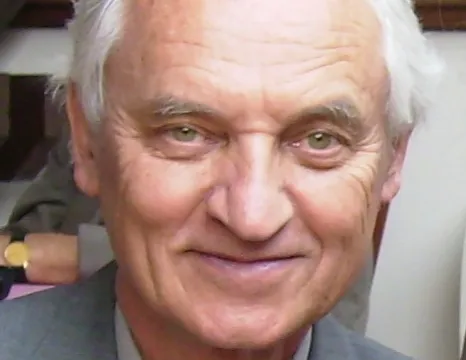 PeopleLumír HanušA Czech chemist who grew and analysed cannabis for twenty years in communist Olomouc, then co-discovered anandamide, the brain's own cannabinoid, in Jerusalem in 1992. At home he became one of the best-known voices for medical cannabis.
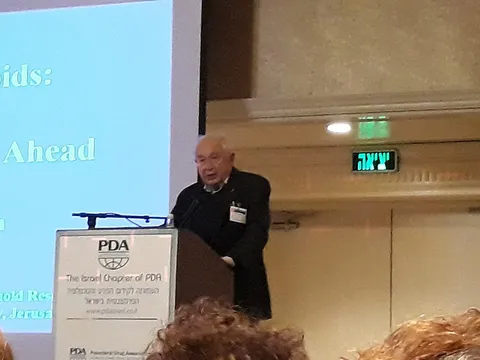 PeopleRaphael MechoulamThe Israeli chemist who identified THC in 1964, from five kilos of hashish lent by the police, and whose group later found the body's own cannabinoids. Much of what is known about how cannabis acts began in his laboratory.
Did you know? all cases →
c. 750 BC · Israel
A shrine of the Kingdom of Judah at Arad, in today's Israel, had two small altars. In 2020 chemists found frankincense on one — and on the other, burnt cannabis flowers mixed with dung so they would smoulder.
The full story →People · Israel
The chemist who first isolated THC got his material from the police: 11 pounds of seized Lebanese hashish, which he carried to his laboratory in Israel on a public bus.
Read the entry →
Datasets not part of the score
What other organisations publish about Israel, and where it stands among the countries each one covers. Each dataset has a page of its own, with a world map and every country's figure.
Use
UNODC · 2020
Cannabis use
14%of people aged 18–86
8.5% · 20058.88% · 200927% · 201614% · 202020052020 ages 18–86 · survey 2020 · 940,000 people · UNODC 2026
Source Survey ages and years vary, and some surveys include children. Rates are not age-standardised; do not compare countries directly.UNODC · 2014
Cannabis use at 15 and 16
6%in the past year
6.4% · 20106% · 201420102014 Higher than 33% of 49 countriesLowestHighest8.5% ever · 5.5% in the past month · 2014 · ages 15–16, school survey
WHO, Our World in Data · 2020
Alcohol drunk per person
2.84litres of pure alcohol a year
2.93 · 20002.93 · 20012.87 · 20022.83 · 20032.84 · 20042.85 · 20052.89 · 20062.94 · 20073.04 · 20083.13 · 20093.16 · 20103.21 · 20113.22 · 20123.14 · 20133.03 · 20142.94 · 20152.95 · 20162.97 · 20173.01 · 20183.01 · 20192.84 · 202020002020 Higher than 34% of 187 countriesLowestHighestper person aged 15 or over · 2020 · 2.93 in 2000 · 3.16 in 2010
Law
UNODC · 2024
Police contact for drug use or possession
74per 100,000 people
216 · 2020190 · 202174 · 202420202024 Higher than 60% of 101 countriesFewerMore7,497 people in 2024 · all drugs together
UNODC · 2024
Cannabis seized
12,050kg in 2024
6,198 · 201515,410 · 201615,675 · 201720,600 · 2020746 · 202112,050 · 202420152024 Higher than 73% of 163 countriesLess seizedMore seized10,450 kg of herb · 1,600 kg of resin · 6,198 kg in 2015 · 20,600 kg in 2020
Society
Pew Research Center · 2025
Is using marijuana morally wrong?
44%call it immoral
Higher than 32% of 25 countriesFewer disapproveMore disapprove15% acceptable · 22% not a moral issue · 998 people asked
OpenAlex · 2025
Research on cannabis
13papers per million people
0.1 · 19680.3 · 19690.3 · 19700.2 · 19710.3 · 19720.2 · 19730.4 · 19740.4 · 19750.4 · 19760.1 · 19770.4 · 19780.3 · 19790.3 · 19800.4 · 19810.4 · 19820.8 · 19830.2 · 19840.2 · 19860.3 · 19870.4 · 19880.4 · 19890.3 · 19900.7 · 19910.4 · 19921.3 · 19931.0 · 19941.3 · 19951.2 · 19960.9 · 19971.3 · 19980.7 · 19991.6 · 20001.2 · 20012.2 · 20021.9 · 20031.9 · 20043.7 · 20052.7 · 20062.8 · 20072.7 · 20082.1 · 20092.8 · 20104.7 · 20112.9 · 20123.7 · 20133.5 · 20144.1 · 20155.6 · 20166.8 · 201710 · 20189.7 · 201911 · 202010 · 202112 · 202210 · 20239.8 · 202413 · 202519682025 Higher than 96% of 176 countriesLowestHighest128 papers in 2025 · 3 in 1970 · 3 in 1990 · 28 in 2010
Cato and Fraser Institutes · 2023
Human Freedom Index
7.52of 10
7.56 · 20007.52 · 20017.50 · 20027.46 · 20037.52 · 20047.66 · 20057.61 · 20067.54 · 20077.36 · 20087.54 · 20097.66 · 20107.58 · 20117.60 · 20127.72 · 20137.52 · 20147.63 · 20157.63 · 20167.65 · 20177.57 · 20187.62 · 20197.37 · 20207.42 · 20217.61 · 20227.52 · 202320002023 Higher than 65% of 164 countriesLess freeFreerrank #57 of 165 · personal freedom 7.56 · economic freedom 7.46
V-Dem, Our World in Data · 2025
Civil liberties
0.79of 1 in 2025
0.17 · 19000.17 · 19010.17 · 19020.17 · 19030.17 · 19040.17 · 19050.17 · 19060.17 · 19070.24 · 19080.37 · 19090.34 · 19100.30 · 19110.27 · 19120.20 · 19130.15 · 19140.14 · 19150.14 · 19160.14 · 19170.16 · 19180.21 · 19190.68 · 19480.69 · 19490.69 · 19500.69 · 19510.69 · 19520.68 · 19530.69 · 19540.69 · 19550.69 · 19560.69 · 19570.69 · 19580.69 · 19590.69 · 19600.69 · 19610.69 · 19620.69 · 19630.69 · 19640.69 · 19650.72 · 19660.78 · 19670.78 · 19680.78 · 19690.79 · 19700.79 · 19710.79 · 19720.79 · 19730.80 · 19740.80 · 19750.80 · 19760.81 · 19770.81 · 19780.81 · 19790.81 · 19800.81 · 19810.81 · 19820.81 · 19830.81 · 19840.80 · 19850.81 · 19860.81 · 19870.80 · 19880.81 · 19890.81 · 19900.81 · 19910.81 · 19920.82 · 19930.83 · 19940.83 · 19950.83 · 19960.83 · 19970.83 · 19980.83 · 19990.85 · 20000.84 · 20010.84 · 20020.84 · 20030.84 · 20040.84 · 20050.84 · 20060.84 · 20070.84 · 20080.84 · 20090.83 · 20100.83 · 20110.83 · 20120.83 · 20130.83 · 20140.83 · 20150.83 · 20160.82 · 20170.82 · 20180.82 · 20190.84 · 20200.84 · 20210.85 · 20220.80 · 20230.79 · 20240.79 · 202519002025 Higher than 53% of 175 countriesFewer libertiesMore liberties0.69 in 1961 · 0.81 in 1990
Our World in Data, World Bank · 2025
Population
10,122,800people in 2025
359,278 · 1900410,239 · 1910455,007 · 1920587,972 · 1930878,256 · 19401,289,244 · 19501,891,941 · 19602,864,773 · 19703,721,666 · 19804,544,995 · 19906,111,194 · 20007,336,735 · 20108,800,380 · 202010,122,800 · 202519002025 Higher than 51% of 196 countriesLowestHighest359,278 in 1900 · 1,289,244 in 1950 · 6,111,194 in 2000
CEPII
Former colonial rulers
Once ruled by United Kingdom; Turkey
World Bank · 2025
Government effectiveness
77of 100
81 · 199682 · 199883 · 200084 · 200283 · 200382 · 200483 · 200578 · 200677 · 200779 · 200878 · 200979 · 201080 · 201179 · 201279 · 201379 · 201482 · 201583 · 201684 · 201781 · 201885 · 201976 · 202082 · 202182 · 202278 · 202379 · 202477 · 202519962025 Higher than 86% of 195 countriesLowestHighestestimate 1.19 on a scale of −2.5 to 2.5 · 2025 · 83 in 2000 · 82 in 2015
Transparency International · 2024
Corruption Perceptions Index
64of 100
60 · 201261 · 201360 · 201461 · 201564 · 201662 · 201761 · 201860 · 201960 · 202059 · 202163 · 202262 · 202364 · 202420122024 Higher than 84% of 178 countriesLowestHighest0 highly corrupt, 100 very clean · 2024 · 61 in 2015 · 60 in 2020
Pew Research Center · 2020
Most common religion
Jews
the largest group · 2020
World Bank · 2025
Income per person
$48,197per person
25,341 · 199025,705 · 199126,758 · 199227,129 · 199328,399 · 199429,477 · 199530,393 · 199630,713 · 199731,250 · 199831,466 · 199933,279 · 200032,591 · 200131,893 · 200231,771 · 200332,666 · 200433,492 · 200534,745 · 200636,288 · 200736,795 · 200836,365 · 200937,686 · 201039,036 · 201139,246 · 201240,095 · 201340,796 · 201440,890 · 201541,915 · 201642,896 · 201743,783 · 201844,492 · 201942,927 · 202046,151 · 202148,132 · 202247,671 · 202347,389 · 202448,197 · 202519902025 Higher than 80% of 187 countriesLowestHighestat purchasing power parity, 2021 dollars · 2025 · $25,341 in 1990 · $37,686 in 2010
Wikimedia · 2026.792
Views of the cannabis article on Wikipedia
26page views in 2026–10
4,338 · 20153,880 · 20153,918 · 20153,781 · 20154,019 · 20154,083 · 20154,217 · 20163,845 · 20163,878 · 20163,887 · 20164,204 · 20164,087 · 20164,046 · 20163,952 · 20163,622 · 20164,991 · 20164,970 · 20165,833 · 20166,544 · 20175,817 · 20174,977 · 20174,597 · 20174,680 · 20174,116 · 20174,104 · 20173,921 · 20174,199 · 20175,031 · 20175,048 · 20174,632 · 20175,368 · 20184,301 · 20184,400 · 20184,563 · 20184,457 · 20184,747 · 20184,580 · 20184,670 · 20184,587 · 20185,116 · 20185,557 · 20185,760 · 20185,703 · 20195,560 · 20197,192 · 20196,284 · 20195,375 · 20194,908 · 20194,845 · 20195,333 · 20194,685 · 20195,604 · 20194,152 · 20194,161 · 20194,267 · 20203,843 · 20203,272 · 20203,660 · 20203,463 · 20203,744 · 20203,189 · 20202,848 · 20202,761 · 20203,318 · 20203,438 · 20203,613 · 20203,946 · 20213,038 · 20213,129 · 20213,246 · 20213,372 · 20213,409 · 20213,370 · 20213,361 · 20213,348 · 20214,060 · 20213,694 · 20213,623 · 20213,299 · 20222,969 · 20223,286 · 20223,263 · 20223,183 · 20222,899 · 20222,867 · 20222,594 · 20222,599 · 20223,046 · 20222,863 · 20222,826 · 20223,109 · 20232,884 · 20232,634 · 20232,794 · 20233,002 · 20232,966 · 20232,710 · 20232,548 · 20232,100 · 20231,807 · 20232,184 · 20232,187 · 20232,636 · 20242,824 · 20243,256 · 20242,853 · 20242,701 · 20242,393 · 20242,437 · 20242,146 · 20242,110 · 20242,145 · 20242,134 · 20242,363 · 20242,514 · 20252,155 · 20251,787 · 20251,968 · 20251,620 · 20251,159 · 20251,386 · 20251,418 · 20251,304 · 20251,297 · 20251,107 · 20251,121 · 2025985 · 2026927 · 2026898 · 2026897 · 2026915 · 2026727 · 2026713 · 2026880 · 2026860 · 202626 · 202620152026 Higher than 54% of 26 countriesLowestHighestקנאביס (סם) · he Wikipedia
World Bank · 2024
Development indicators
88.2%use the internet
0.1% · 19900.2% · 19910.3% · 19920.4% · 19930.6% · 19940.9% · 19952.2% · 19964.4% · 199710.3% · 199813.4% · 199920.9% · 200017.4% · 200117.8% · 200219.6% · 200322.8% · 200425.2% · 200527.9% · 200648.1% · 200759.4% · 200863.1% · 200967.5% · 201068.9% · 201170.8% · 201270.3% · 201375% · 201477.4% · 201579.7% · 201681.6% · 201783.7% · 201886.8% · 201990.1% · 202090.3% · 202191.9% · 202287% · 202388.2% · 202419902024 Higher than 65% of 195 countriesLowestHighest91.5% live in towns · 12.6% aged 65+ · life expectancy 83.2 · higher education 56.3% · 2024 · 20.9% in 2000 · 67.5% in 2010
GDELT · 2025
Cannabis in the news
0.0008%of global news: cannabis articles from here
0.0025% · 20170.0042% · 20180.0049% · 20190.0027% · 20200.003% · 20210.0023% · 20220.0015% · 20230.001% · 20240.0008% · 202520172025 Higher than 74% of 147 countriesLowestHighest2025 average, 348 days · 0.0042% in 2018 · 0.003% in 2021
Plant and market
OpenStreetMap · 2026
Cannabis shops on the map
1shops mapped
Higher than 0% of 59 countriesFewer shopsMore shops0.1 per million people · 2026
GBIF · 1999
Records of the cannabis plant
5dated records
1 · 19112 · 19124 · 19135 · 199919111999 Higher than 31% of 128 countriesLowestHighest1 more without a date · 1 in 1999
ClinicalTrials.gov · 2026
Clinical trials of cannabis medicines
43studies so far
1 · 20112 · 20123 · 20133 · 20146 · 20156 · 201610 · 201714 · 201821 · 201923 · 202028 · 202131 · 202235 · 202339 · 202441 · 202543 · 202620112026 Higher than 90% of 50 countriesLowestHighest2 actual starts in 2026 · as of 2026–10–26 · 23 by 2020
Enforcement 1 report · the Cannabis Enforcement Tracker →
How the law above is applied: raids, seizures, fields destroyed, arrests and sentences, as recorded by the Cannabis Enforcement Tracker, our companion site.
- SentencePolice data show no cannabis fines since 2022
A Freedom of Information request found that Israel Police issued no administrative fines for personal cannabis possession or use between 2022 and 2025, after thousands in 2020–21.
History 39 of 39 checked against a source
Score and entries per decade
25 today, from 100 before its first recorded change
This country's score Entries that moved the score Context only
Medical ✓
Health minister freezes the medical cannabis recommendations
Health Minister Haim Katz halted implementation of the committee's recommendations, saying he was not convinced the harm to patients was justified. None of the proposals was in force; the 2024 prescription rules remained.
Medical ✓
Health Ministry committee recommends ending smoked medical cannabis
A committee led by Dr Gilad Bodenheimer recommended phasing out smoked medical cannabis within three years, starting new patients on oils or inhalers, moving prescribing and monitoring to the health funds, and tightening PTSD treatment. It found 87–98% of patients smoked, 88% of licences were for high-THC products, and 62% used more than 30 g a month.
20252 entries0 score changes
Medical ✓
Medical cannabis patients fall for the first time
A peer-reviewed review of Health Ministry data found active licences and prescriptions fell 7.5% from 140,483 in January 2024 to 129,900 in March 2025, the first decline since 2011. Average approved dose was 40 g/month; flower was 94% of approved products; chronic pain was 63% and PTSD 17% of licences.
Debate ✓
Knesset gives preliminary approval to a medical cannabis bill
The plenum approved in preliminary reading, 37–20, a private member's bill by MK Moshe Passal to regulate medical cannabis and widen access. It went to the Special Committee on Drugs and Alcohol. A later version passed a preliminary reading again in July 2026, but no final law was found by October 2026.
20241 entry0 score changes
20231 entry0 score changes
20221 entry0 score changes
20202 entries0 score changes
Debate ✓
Israeli bills to decriminalise up to 50 grams advance
Legislation to decriminalise possession of up to 50 grams began its passage through the Knesset.
Culture & science ✓
Burnt cannabis is found on an altar of a biblical-era shrine at Arad
Chemists re-examining the two altars from the Judahite shrine at Tel Arad, excavated in the 1960s and in use only around 760–715 BC, found THC, CBD and CBN in the residue on the smaller one: cannabis flowers mixed with animal dung so that they would burn slowly. The larger altar held frankincense. The authors, writing in the journal Tel Aviv, called it the earliest evidence for the use of cannabis in the Ancient Near East and suggested it was burnt for its effect, not its smell.
20192 entries1 score change
Easing ✓ Article
Israel replaces prosecution with fines
Adults caught with a small amount in public now receive a fixed fine and no criminal record, instead of a criminal case. Possession at home in small amounts is generally not enforced. Growing even one plant is still a crime.
2025+5 points
Medical ✓
Israel approves exports of medical cannabis
The government approved the export of medical cannabis; shares of eight cannabis companies rose sharply on the Tel Aviv exchange. From 1 April 2019 about 100 specially trained doctors could also write prescriptions to be filled at the Super-Pharm pharmacy chain.
20182 entries0 score changes
Easing ✓
Israel's Knesset approves fines in place of prosecution
The law passed on this day took effect on 1 April 2019: an adult caught with cannabis in public pays a fine of about 275 dollars for a first offence and 550 for a second, and only a third within seven years opens a criminal investigation. A survey of 2017 had found that 27% of Israelis aged 18 to 65 had used cannabis in the past year, the highest rate recorded anywhere.
Medical ✓
Israeli pharmacies begin selling cannabis oil
Under a pilot programme pharmacies were permitted to dispense cannabis oil to licensed patients. In January 2020 imports were allowed from countries with comparable rules, and in 2022 Israel brought in more than 33,000 kilograms, the largest importer of medical cannabis in the world.
20171 entry0 score changes
20161 entry0 score changes
20151 entry0 score changes
20141 entry0 score changes
20131 entry0 score changes
20071 entry1 score change
20021 entry0 score changes
19921 entry0 score changes
19851 entry1 score change
19741 entry0 score changes
19701 entry0 score changes
19681 entry0 score changes
19641 entry0 score changes
19621 entry0 score changes
19541 entry0 score changes
19531 entry0 score changes
19522 entries0 score changes
Debate ✓
Knesset debate on a drug law turns to hashish and immigrants
The Knesset passed an amendment to the Mandate's Dangerous Drugs Ordinance that removed clauses barring the cultivation and preparation of the opium poppy, to end dependence on imported medicinal narcotics. It had nothing to do with hashish, but opponents argued against it by pointing to immigrants from Arab and Muslim countries and their supposed disposition to hashish smoking.
International ✓
Israel joins the 1925 Opium Convention
Israel acceded to the International Opium Convention of 1925, as amended by the Protocol of 1946, on 16 May 1952. The convention, signed at Geneva, was the first treaty to put Indian hemp under international control.
19491 entry0 score changes
19481 entry0 score changes
19411 entry0 score changes
19361 entry1 score change
19251 entry0 score changes
19191 entry1 score change
Sources hover a number in the text to see its source
- Cited
- 17
- Websites
- 13
- Last reviewed
- History checked
- 39/39
Most cited
- he.wikisource.org3
- gov.il2
- he.wiktionary.org2
- ar.wiktionary.org1
- blogs.biomedcentral.com1
- data.unodc.org1
All 18 sources
- Israel — Administrative Offences Regulations (Administrative Fine — Possession of Cannabis and Use for Personal Consumption), 5772–2022Regulations 1–6: 500/1,000 shekel fines; soldiers, reservists, prisoners excluded; minors covered after the temporary exclusion expired.archived
- Wiktionary — קנבוס (Hebrew)Hemp; cannabis; גראס listed as a synonym.archived
- Wiktionary — חשיש (Hebrew)Hashish.archived
- Wiktionary — حشيش (Arabic)Hashish; Cannabis indica.archived
- Israel — Dangerous Drugs Ordinance [New Version] 1973, sections 1, 6, 7, 13, 19A, 21, 25 and 31, Second Schedule (Hebrew Wikisource)Sections 1, 6, 7(a)–(d), 9, 13, 19A, 21, 25 and 31(3); Second Schedule 15 g cannabis and resin.archived
- Mako — Administrative cannabis fines extend to minors from today (16 February 2023)archived
- Movement for Freedom of Information — Police data: zero cannabis fines in the last three years (10 March 2026)Zero administrative cannabis fines in 2022–2025; 50,335 fines in 2019–2022; police say the framework is still in design.archived
- Israel — Dangerous Drugs Regulations, 5740–1979, consolidated to 3 July 2026 (Nevo)Regulations 4A, 11(b), 17A–17D: prescription route, ten indications, 60 g monthly cap.archived
- Israel Police Statistical Yearbook 2024 (published 3 May 2026)9,164 drug trafficking/possession-not-for-personal-use/cultivation/manufacture files in 2024; 10.45 t cannabis and 1.6 t hashish tested.
- Israel Ministry of Health — Medical Cannabis Unit report, June 2026145,758 active licences and prescriptions: 112,400 licences and 33,300 prescriptions.archived
- Medical cannabis in Israel: a comprehensive review of trends and regulations, 2011–2025Aviram · In Journal of Cannabis Research · 2025 · Patient numbers, indications, doses and product mix.archived
- Time Out Tel Aviv — התחנה 420, מועדון קנאביס (10 January 2023)archived
- JPost — Israel will remove CBD from Dangerous Drug Ordinance (28 February 2022)archived
- Israel — Traffic Ordinance, sections 39A, 62(3), 64B and 64D (Hebrew Wikisource)Sections 39A, 62(3), 64B(a), 64B(a3) and 64D.archived
- UNODC Data Portal — police contacts for drug possession (World Drug Report 2026 data)archived
- Journal of Cannabis Research — The father of cannabis research, Q&A with Raphael Mechoulam (30 January 2020)archived
- International Narcotics Control Board — Travellers carrying medicines containing controlled substances
Also consulted
- Israel Ministry of Health — Procedure 106, medical cannabis, update 7 (January 2024)Clinical guidance, 20 g starting dose, 100 g/month approval threshold, cannabis not a registered medicine.archived