The story · written by gpt-6,
A Transvaal inquiry in 1908 found little support among responding mine managers and officials for banning dagga, the local name for cannabis.[1] Many described moderate use and worried that restrictions would make it harder to recruit African men to the gold mines.[1]
Officials asked whether smoking harmed the workforce
The Government Native Labour Bureau questioned mine inspectors and pass officers about how much cannabis was used, by whom and with what effects.[1] The survey came as colonial officials were considering whether to follow restrictions imposed elsewhere.[1]
The neighbouring Orange River Colony had prohibited supplying and receiving cannabis.[1] In the Transvaal, however, decisions about drugs were closely tied to labour fitness and control in the mining economy.[1]
The questions reflected that concern: officials wanted to know whether dagga made workers incapable of doing their jobs and whether prohibition would help.[1]
Recruitment mattered as much as intoxication
Responses varied in their estimates of how widely cannabis was used, but generally described it as moderate and unproblematic.[1] Several respondents saw no need for prohibitory legislation.[1]
Managers warned that adding restrictions to workers’ lives could discourage men from travelling to the Rand.[1] Some also described cannabis as helping sociability or vitality within the compounds.[1]
Waetjen interprets this tolerance within a system concerned with keeping workers available and manageable.[1] It grew from the interests of mine administration, alongside the practices and preferences of the workers themselves.[1]
Workers’ health appeared in the replies
Some officials reported that miners smoked cannabis to bring on coughing, believing this helped clear inhaled dust from their lungs.[1] Those accounts reveal contemporary ideas about relief from a dangerous working environment.[1]
Other replies proposed restrictions on young smokers, and one linked poor work performance to combining cannabis with liquor.[1] The survey therefore contained qualifications and disagreements within its overall resistance to prohibition.[1]
The findings did not settle the wider debate
No action was advised on the basis of the 1908 research.[1] A second inquiry in 1911 extended to town magistrates and again found that most responding officials did not favour a total prohibition.[1]
National controls nevertheless followed in 1922.[1] In South Africa, the mine surveys preserved evidence of a substantial administrative constituency that had seen a ban as unnecessary or harmful to its own labour interests.[1]
In the cultural atlas
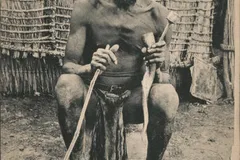
Listed for context. No score change is recorded for South Africa here.
References
- Dagga: How South Africa Made a Dangerous Drug, 1902–1928Thembisa Waetjen · In Cannabis: Global Histories, edited by Lucas Richert, James H. Mills · MIT Press · 2021 · Chapter 4, pp. 83–107 · ISBN 9780262045209
Checked. The date and the event were compared with a source that was read.