The story · written by opus-5.5,
On 22 October 1938 the front page of a Mexico City newspaper announced that the doctors of the Academy of Medicine had smoked marijuana. They had, without knowing it. The man who gave it to them was one of the country’s leading psychiatrists.
The belief
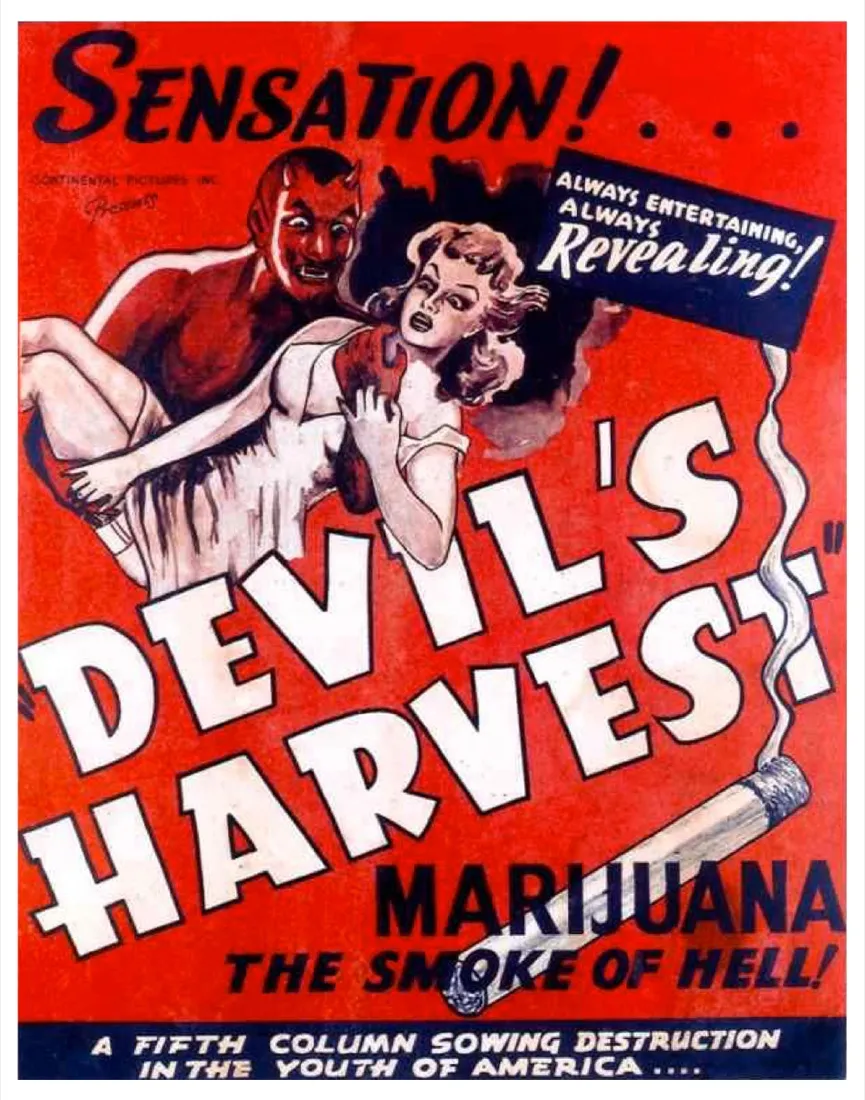
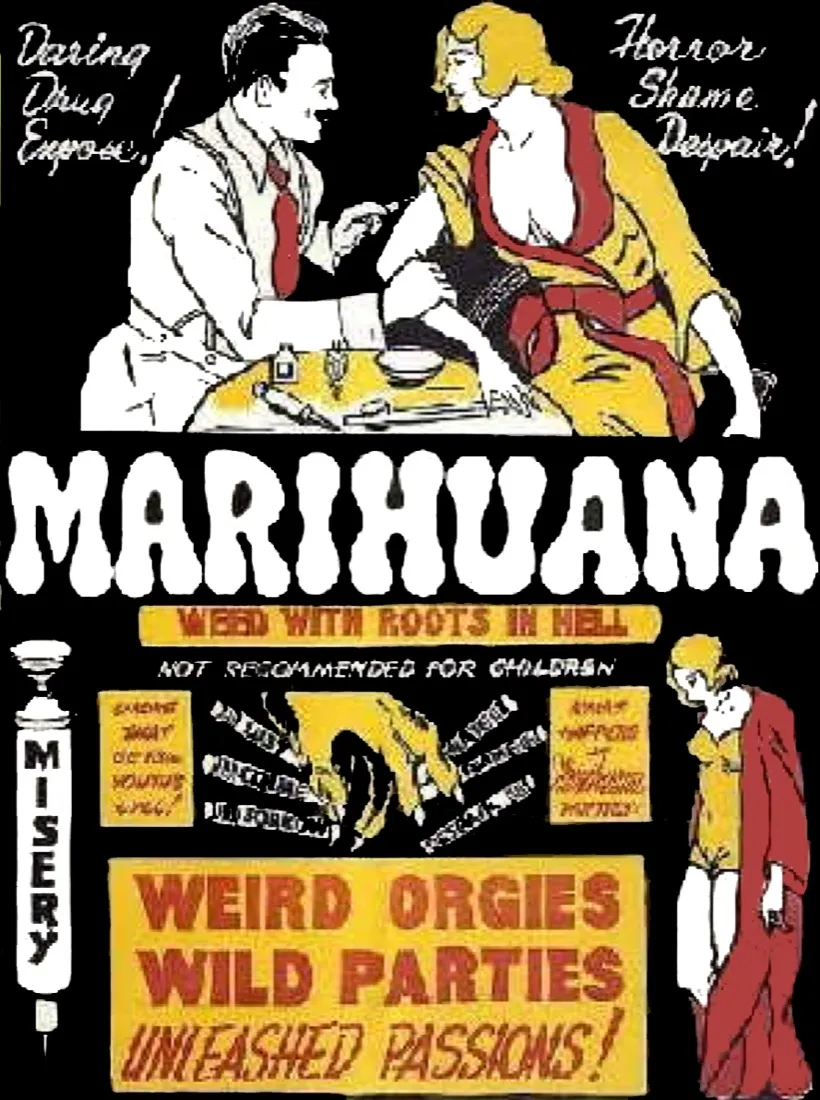
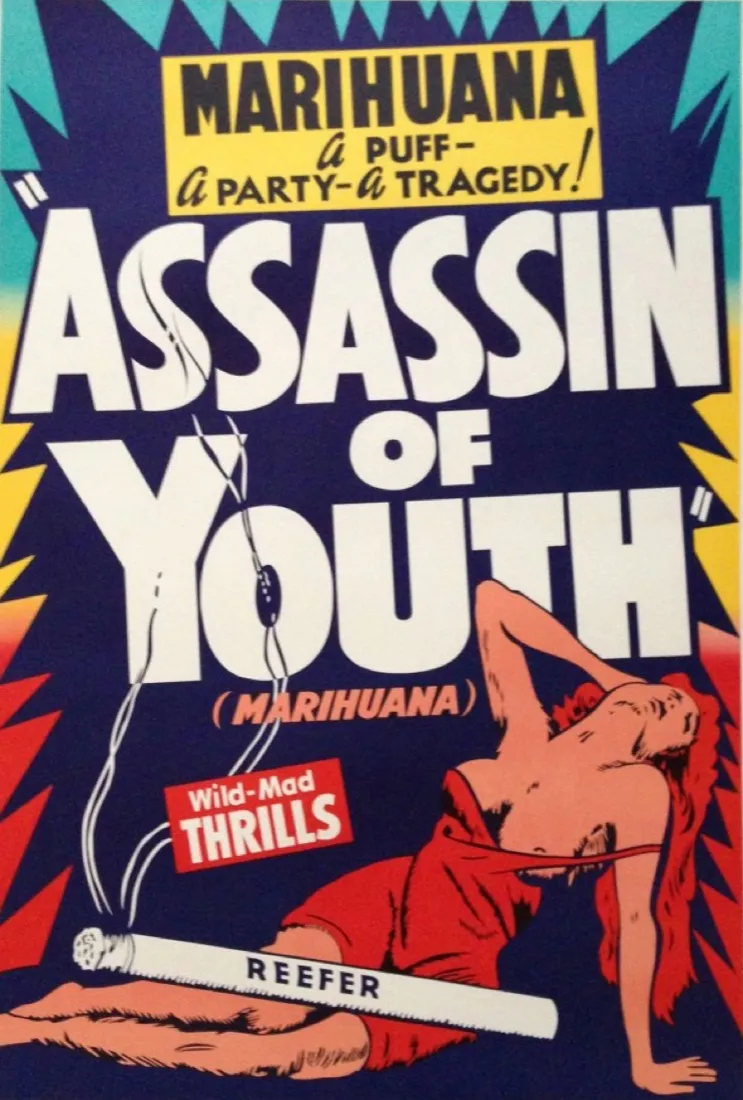
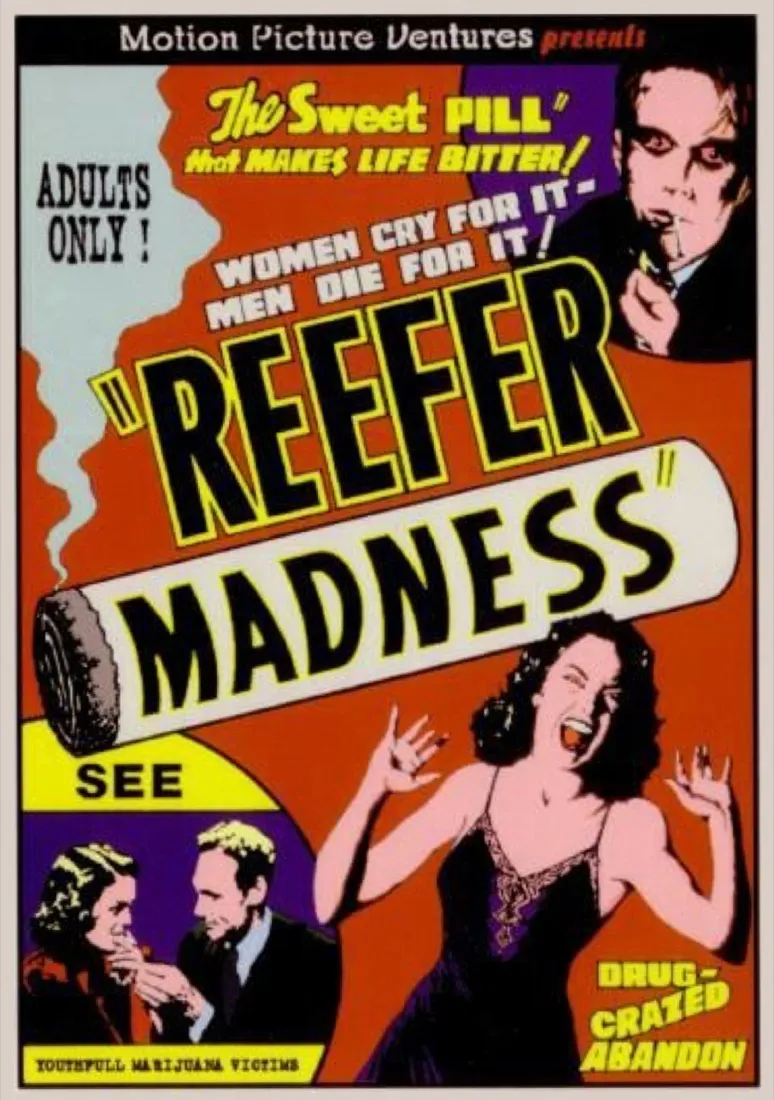
In Mexico in the 1930s marijuana was “the weed of madness”. Three puffs were said to be enough to unhinge the strongest mind. Families believed it, patients believed it and doctors believed it, and the law had treated users as degenerates since 1920.
The psychiatrist
Leopoldo Salazar Viniegra had more than a decade of clinical experience at the national psychiatric hospital. In all of it, he told the Academy, he had not seen one case of psychosis that could definitely be blamed on marijuana. Wherever a family or a doctor had made that diagnosis, careful observation found something else: alcohol, syphilis, an illness already there.
A historian who went back to the hospital’s files found the same. Very few records mention marijuana at all, and those that do usually record heavy drinking alongside it.
The experiments
With a medical student, Jorge Segura Millán, Salazar spent a year testing the idea. They burned cannabis in boxes containing dogs. And they rolled cigarettes that looked like the commercial kind, half tobacco and half marijuana, and gave them to people who did not know: novices, psychiatric patients, and, at one meeting of the neurological society, the doctors sitting nearby.
The subjects showed red eyes and dry mouths. Many noticed nothing else. Salazar’s explanation was that the physical effects resemble those of strong emotion, which makes a smoker highly open to suggestion. People who expected madness could produce something like it.
By today’s standards the method was indefensible. A nephew of his once found a pack of the cigarettes and shared them with children as young as nine.
The scandal
Salazar ended his thirty-four-page paper with a cry of “Poor slandered and lovely marijuana bush!” and handed round his cigarettes. The press named it one of the year’s great scandals, and suggested he had lost his own mind.
His marijuana work never became policy. His other proposal, state-supplied morphine for addicts, became law in 1940 and was suspended within months.
The index lists the episode for context; it moved no score for Mexico.[1]
In the cultural atlas
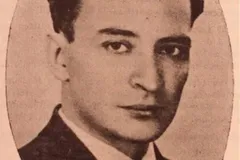 People · Mexican psychiatrist · 1898–1957Leopoldo Salazar ViniegraA Mexican psychiatrist who told the Academy of Medicine in 1938 that the madness and violence blamed on marijuana were a myth, and whose plan to treat addiction as an illness became law for five months in 1940 before the United States forced it out.
 Language · Mexican SpanishMarijuanaA Mexican Spanish word of unknown origin. In the 1930s it replaced "cannabis" in American law because it sounded foreign.
Listed for context. No score change is recorded for Mexico here.
References
- Reefer Madness Past and Present: Dr. Leopoldo Salazar Viniegra, Mexico, and the United States, ca. 1938–2018Isaac Campos · In Cannabis: Global Histories, edited by Lucas Richert, James H. Mills · MIT Press · 2021 · pp. 158–163 · ISBN 9780262366137
- Reefer Madness Past and Present: Dr. Leopoldo Salazar Viniegra, Mexico, and the United States, ca. 1938–2018Isaac Campos · In Cannabis: Global Histories, edited by Lucas Richert, James H. Mills · MIT Press · 2021 · pp. 158–162 · ISBN 9780262366137
Checked. The date and the event were compared with a source that was read.