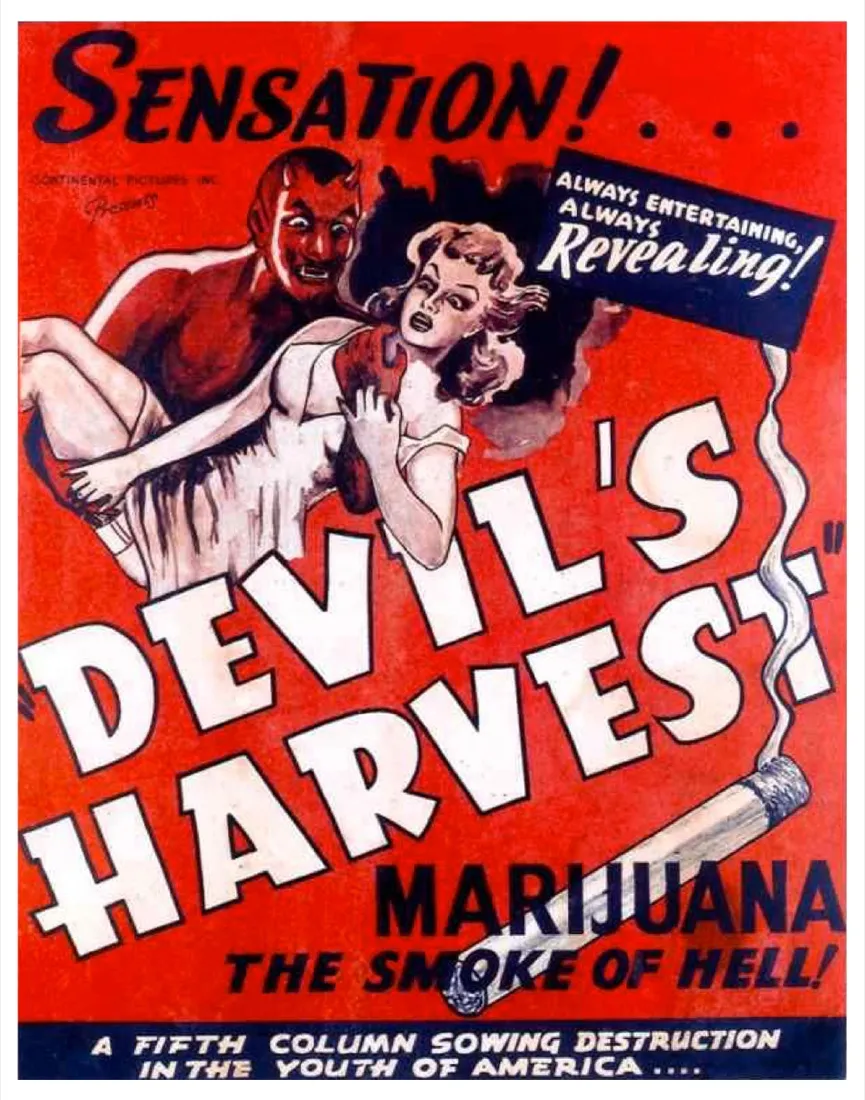


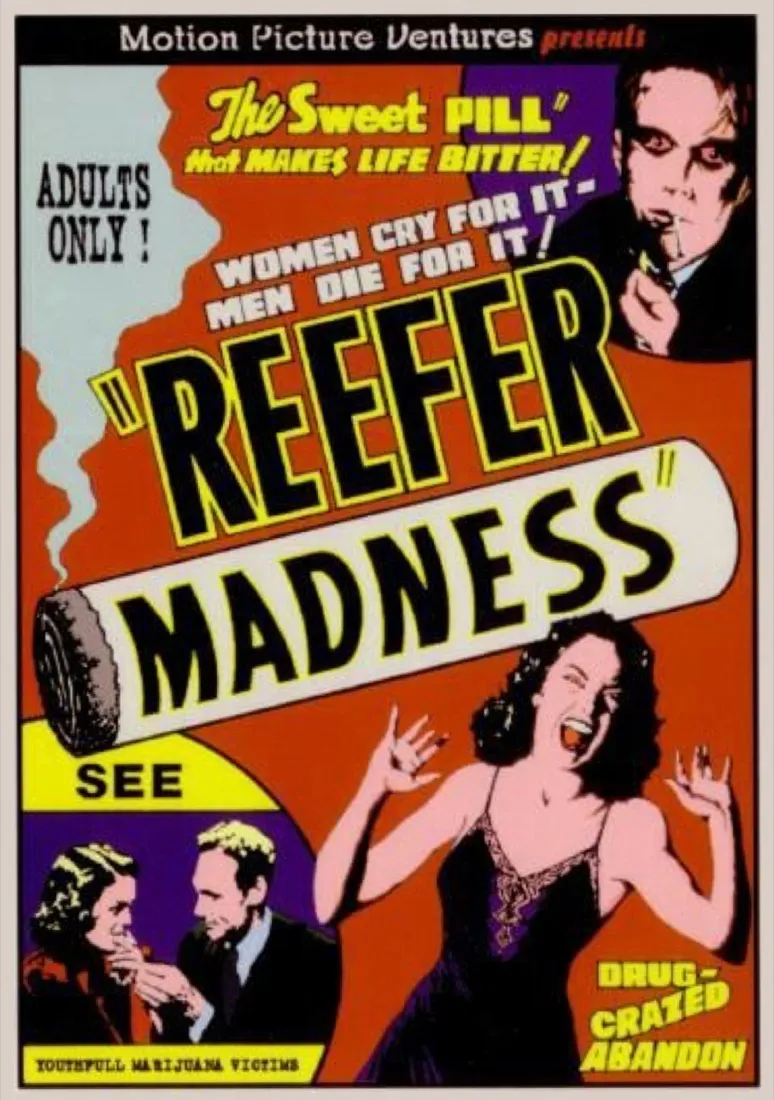
Two weeks after the Supreme Court upheld the prohibitive tax in the National Firearms Act, the Treasury introduced H.R. 6385, prepared without publicity by its general counsel, Herman Oliphant. Dealers and practitioners would register and pay an occupational tax, and transfers would be taxed at $1 an ounce to registered persons and $100 to anyone else. At the hearings William Woodward of the American Medical Association stood alone in opposing it, warning that it would end medical use.[1]
Listed for context. No score change is recorded for United States here.
References
- The Marijuana Conviction: A History of Marijuana Prohibition in the United StatesRichard J. Bonnie, Charles H. Whitebread II · The Lindesmith Center · 1999 · chapter 6, pp. 124–126; chapter 8, pp. 164–165 · ISBN 1891385062
Checked. The date and the event were compared with a source that was read.